
Experience Stanford Law
Research, Scholarship and News
With impact in everything from constitutional law and privacy rights to campaign finance reform and the environment, members of the Stanford Law School community shape law and policy through leading-edge research.

SLS Degree Programs


Join a diverse and inclusive community shaped by a commitment to the future.
Learn more : The JD Program
A hallmark of Stanford University and a distinct strength of Stanford Law, where students can explore the many ways law intersects with other fields.
Learn more : Joint Degree Programs
One-year master's degree programs and a doctoral degree (JSD) for international graduate students who have earned a law degree outside the United States.
Learn more : Advanced DegreesIn Focus






Spring Short Course | A Litigator's Guide to AI. Attention Is All You Need?
Stanford Law School “Short Courses" are intensive one- or two-unit offerings that run just a few weeks and bring distinguished judges, practitioners, and policymakers into the classroom.
Connect with Us



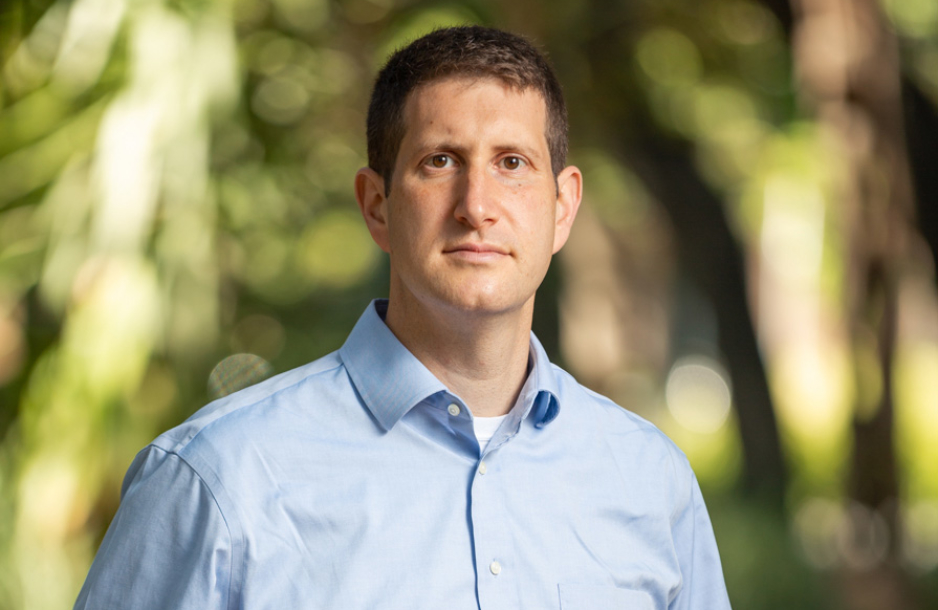
Why do prediction market liquidity providers thrive where insider trading is most severe? Using 41.6 million Kalshi trades, Stanford's Robert Bartlett and Cornell's Maureen O'Hara find that those who supply liquidity on Kalshi earn more on markets with the highest adverse selection, ...not less, as theory would predict.
The reason: optimistic retail bettors systematically overpay, creating a behavioral surplus that absorbs insider losses. The researchers argue this reveals a new microstructure equilibrium where liquidity provision is sustained by behavioral cross-subsidization rather than the bid-ask spread as in equity markets.
https://brnw.ch/21x1UhJ

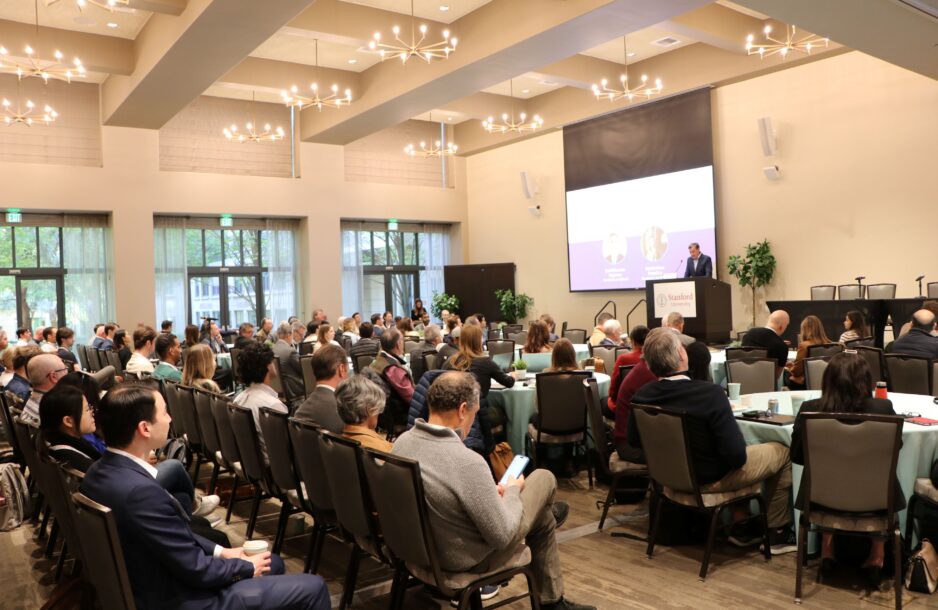
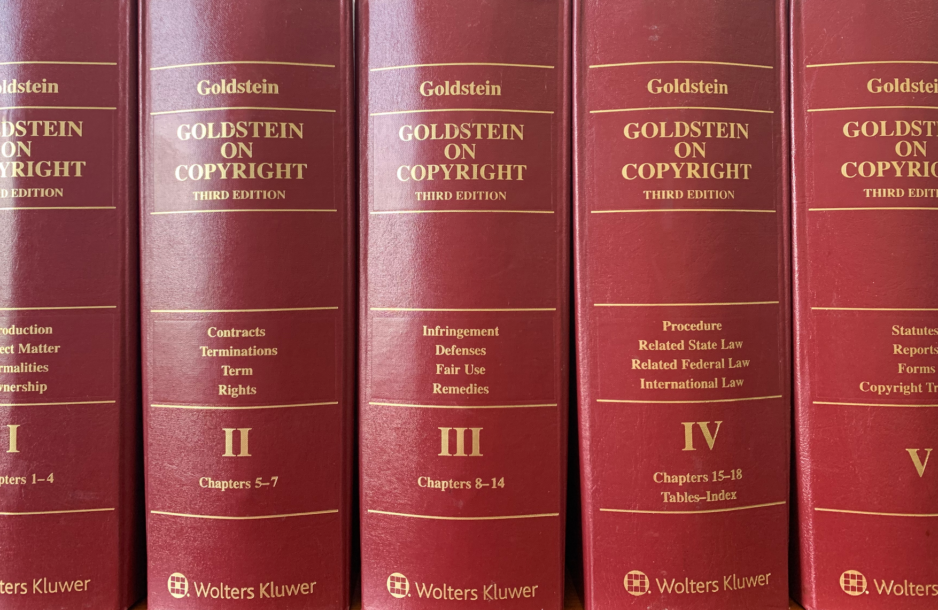
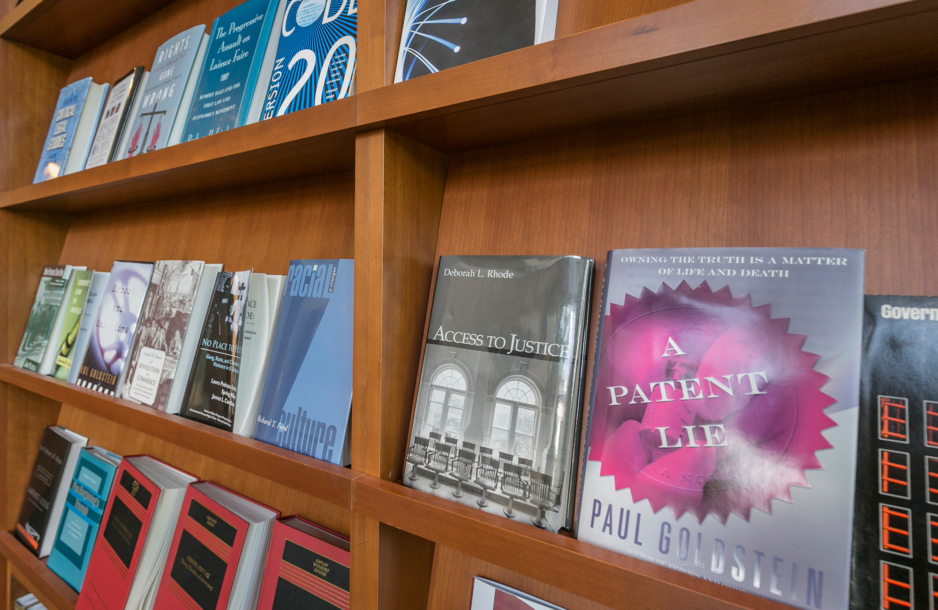
Professor Emeritus Paul Goldstein has been teaching copyright law long enough to remember when the Copyright Act of 1976 was the “new act.” At a recent Stanford Law School conference marking the statute’s 50th anniversary, he used that milestone to ask what copyright should protect in the age... of AI.
Read more about the keynote from one of the country’s most influential copyright scholars: https://brnw.ch/21x1RWM

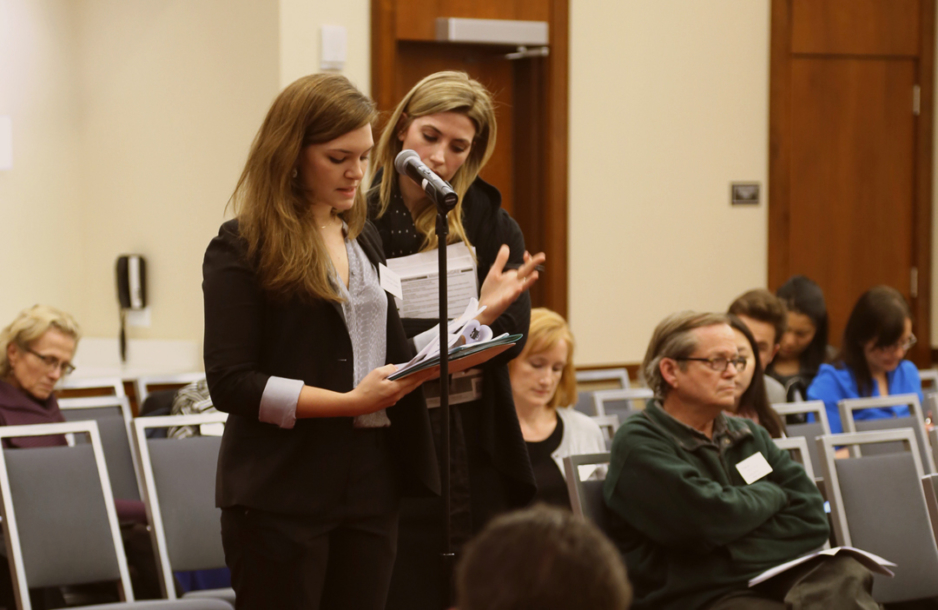
Stanford Law School's Deborah L. Rhode Center on the Legal Profession and the National Civil Justice Institute will co-host "Secrecy and Transparency in Civil Litigation," a symposium examining one of the most pressing challenges facing the modern civil justice system.
The ...two-day conference, May 1–2, 2026, will convene federal and state judges, leading legal academics, prominent practitioners and investigative journalists to explore how confidentiality and public access shape litigation outcomes and public accountability.
Program Highlights:
• Keynote conversation with Gretchen Carlson.
• Discussions on transparency's role in public accountability, litigant outcomes and the rule of law.
• Perspectives from scholars, members of the judiciary and practitioners working on the front lines.
The symposium offers both in-person attendance and webstream access for remote participants.
📅 Save the date: May 1–2, 2026
📋 Registration and program details: https://brnw.ch/21x1PB2

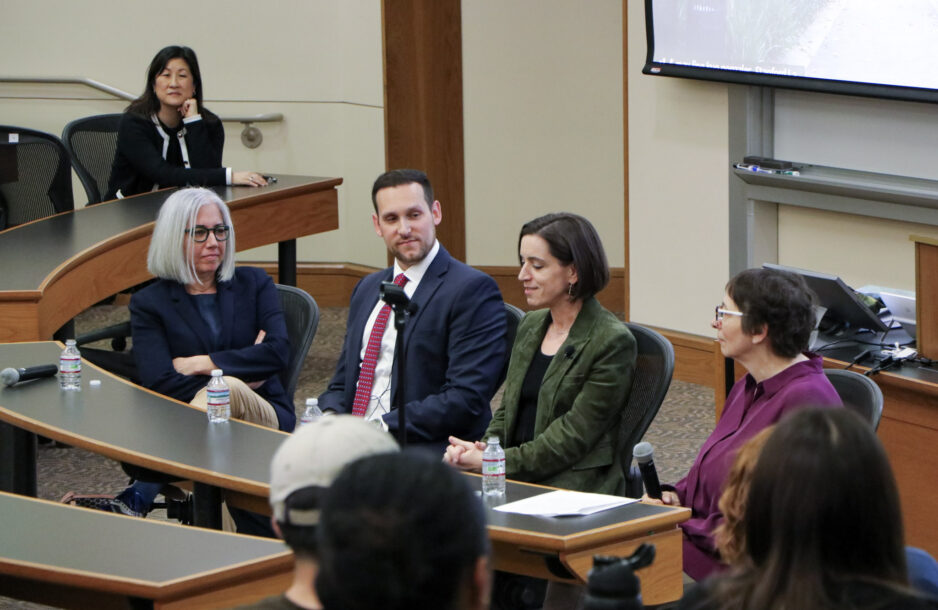
FutureLaw Week at Stanford Law captured a profession in motion, bringing together scholars, students, technologists, and industry leaders for a week of workshops, a hackathon, and sharp conversations about how AI is remaking law. Across the program, the focus was not just on what these tools can ...do, but on how to make sure they improve the quality, accessibility, and integrity of legal systems.
A highlight of the week was the presentation of the 2026 CodeX Prize to Professor Daniel E. Ho, whose scholarship has helped shape the field of legal informatics and deepen understanding of how technology can strengthen law and governance. FutureLaw Week is one of the Codex's signature annual gatherings.
https://brnw.ch/21x1Nuu