
We Are Stanford Law
Research, Scholarship and News
With impact in everything from constitutional law and privacy rights to campaign finance reform and the environment, members of the Stanford Law School community shape law and policy through leading-edge research.



SLS Degree Programs
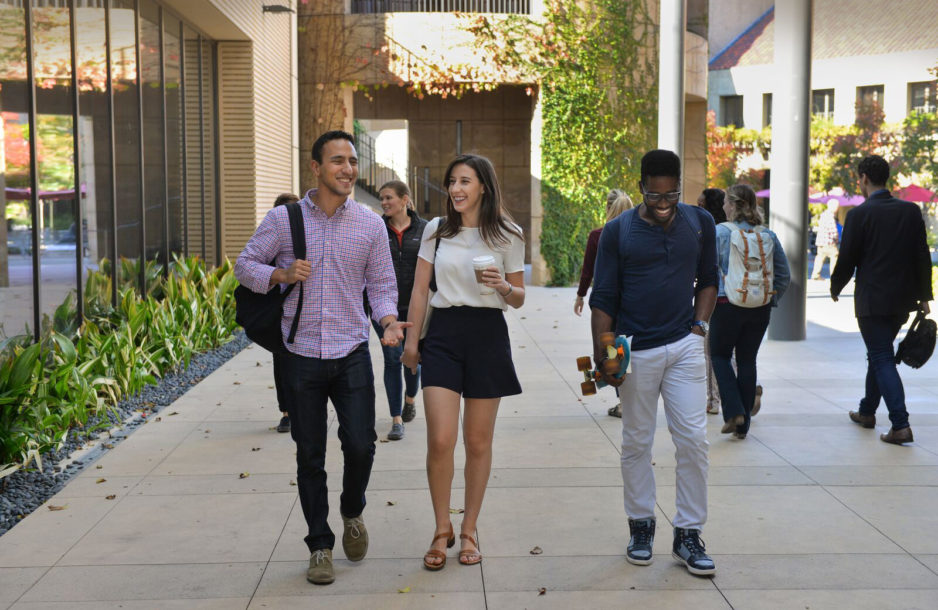

Join a diverse and inclusive community shaped by a commitment to the future.
Learn more : The JD Program
A hallmark of Stanford University and a distinct strength of Stanford Law, where students can explore the many ways law intersects with other fields.
Learn more : Joint Degree Programs
One-year master's degree programs and a doctoral degree (JSD) for international graduate students who have earned a law degree outside the United States.
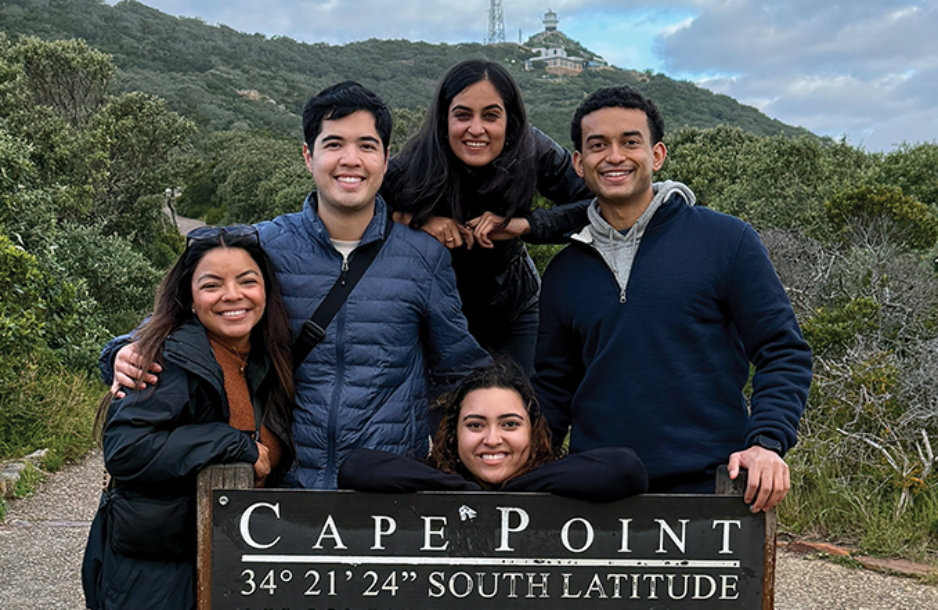
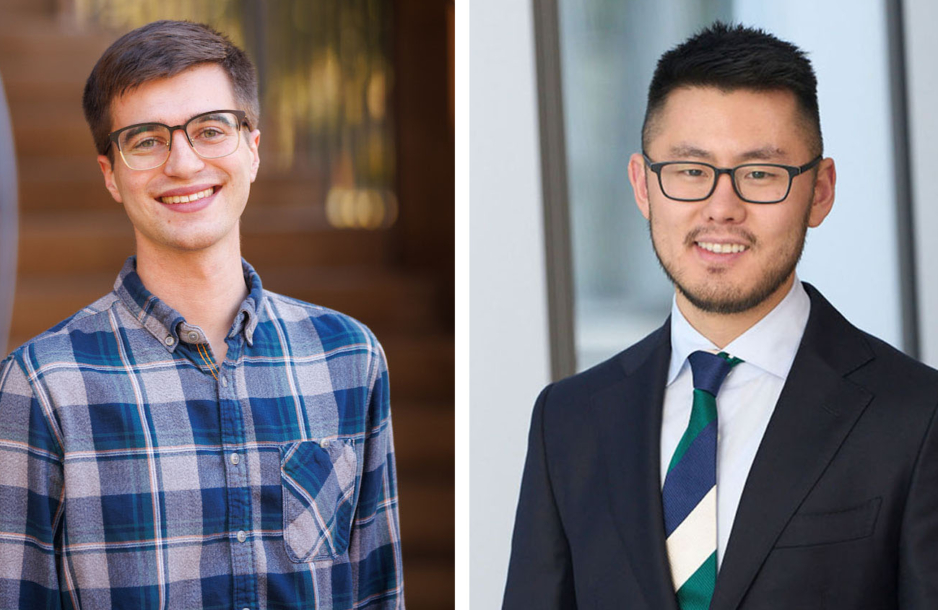
Learn more : Advanced DegreesStanford Law Students Share Their Stories

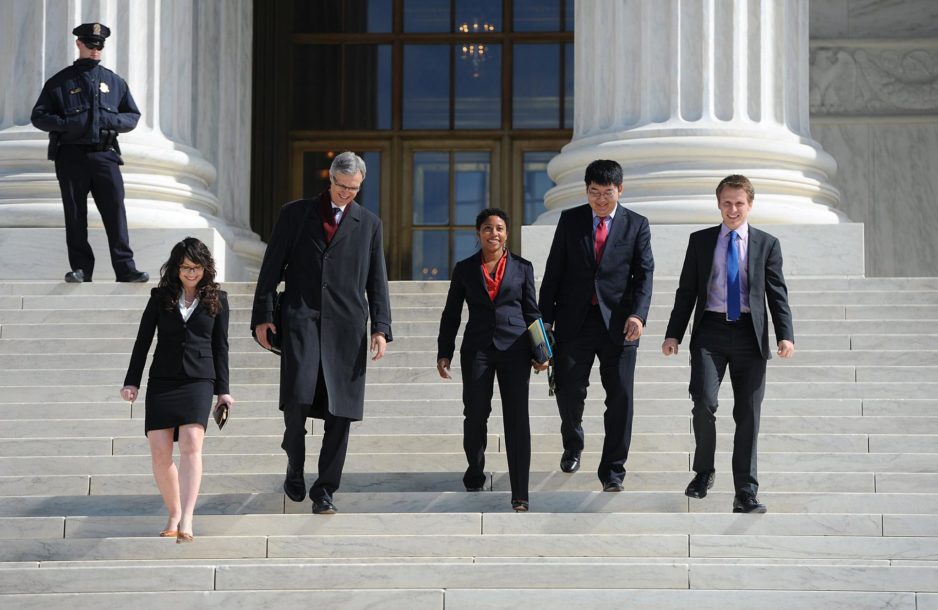

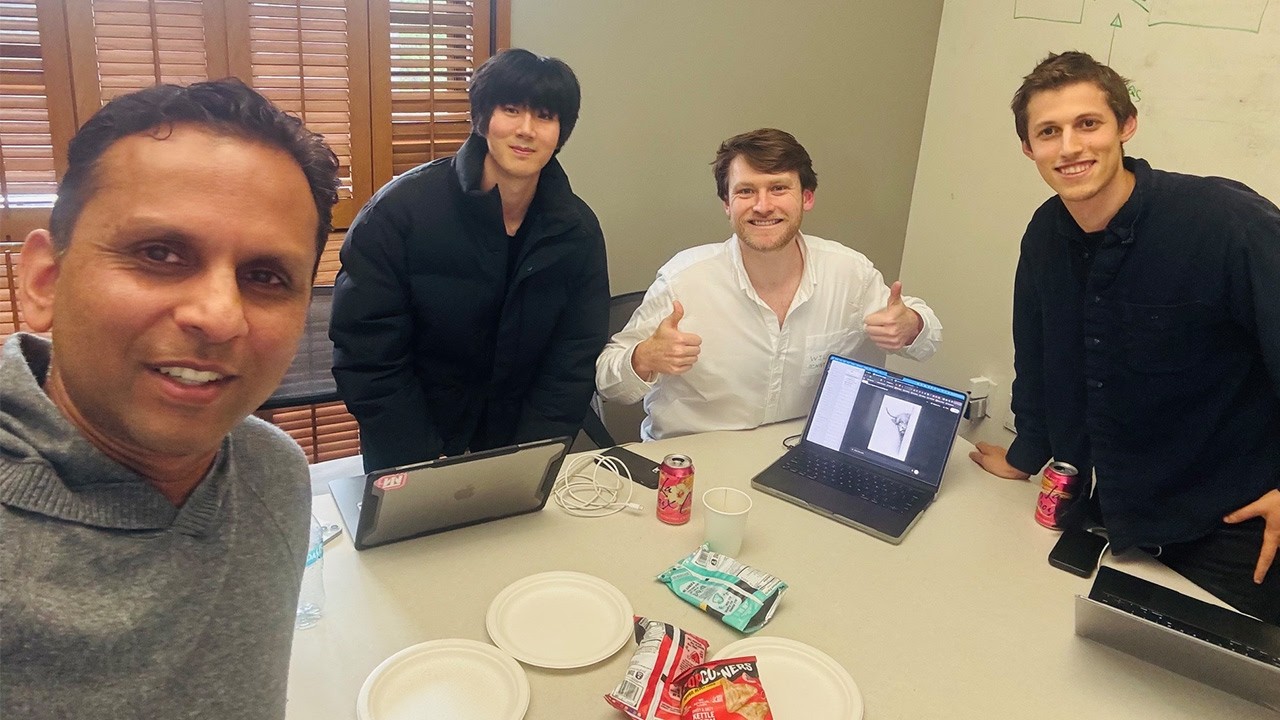
2026 LLM x Law Hackathon
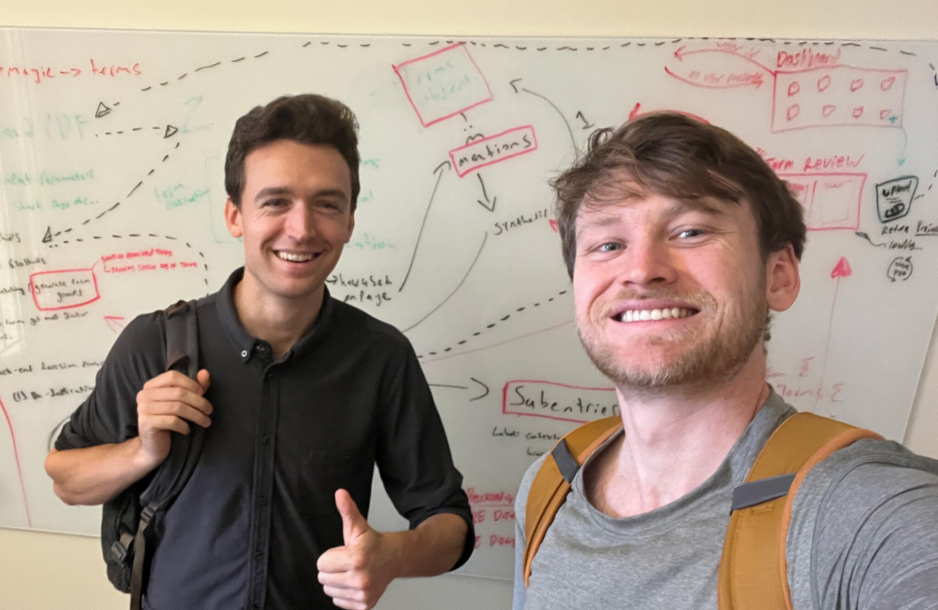
The hackathon wasn’t just a competition; it was a glimpse into what becomes possible when the people who understand AI and the people who understand law are finally in the same room, building together.
Connect with Us

Stanford Law School will host its annual Constitution Day Lecture this week on Thursday Sept. 17 at 5 p.m., featuring Jack M. Balkin, Knight Professor of Constitutional Law and the First Amendment at Yale Law School. Balkin will examine how technological change affects constitutional governance, Read morecreating what he terms "constitutional rot"—the process by which a democratic republic becomes less democratic and less republican over time.
The event is free and open to the public:

Technological change affects the Constitution not only by creating new problems of constitutional interpretation, but also by changing the distributio
law.stanford.edu
Looking for a good book or two to start before the end of summer? It's not too late!
Take a look at the Stanford Law School Faculty Summer Reading List which offers up some of our professors’ favorite reads.
https://brnw.ch/21x5G72



Campus is brighter with you here.
What happens when a federal agency lacks permanent leadership? Stanford Law School's Anne Joseph O'Connell addresses this pressing question in the latest Stanford Legal episode, exploring the rules that determine who can step in and what powers they can exercise.
O'Connell Read moreand host Professor Pam Karlan examine how the federal bureaucracy functions when permanent appointments are delayed and what authority temporary leaders can exercise. Their discussion covers recent disputes that test the boundaries of presidential power and statutory constraints on interim appointments.
🎧Tune in:

Stanford’s Anne Joseph O’Connell examines who can step in when a top federal position is vacant and what recent court decisions could mean for ...
law.stanford.edu