

We Are Stanford Law
Research, Scholarship and News
With impact in everything from constitutional law and privacy rights to campaign finance reform and the environment, members of the Stanford Law School community shape law and policy through leading-edge research.
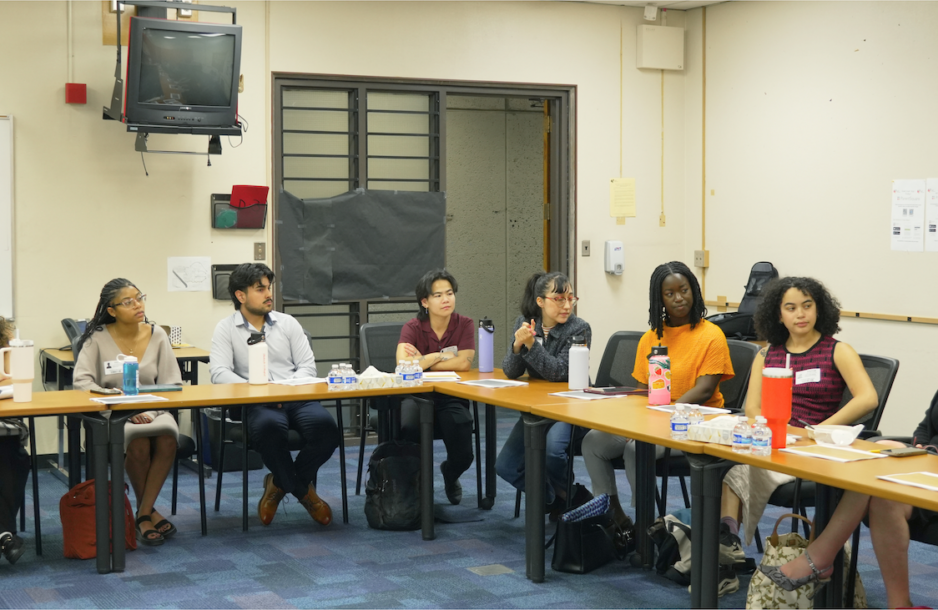


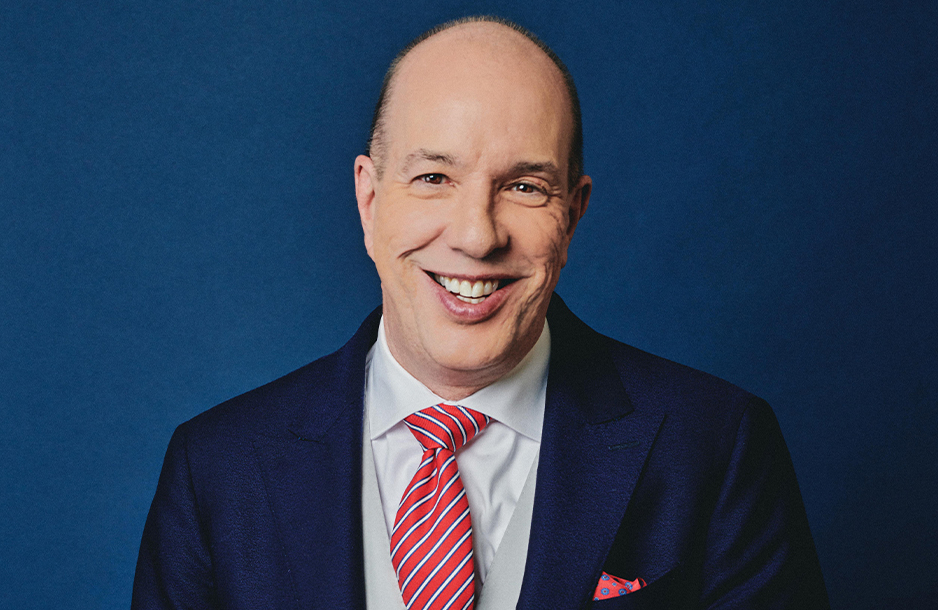
Stanford Legal Podcast | Inside the ACLU’s Docket: Anthony Romero on the Front Lines of Civil Rights
listen to the episode : Stanford Legal Podcast | Inside the ACLU’s Docket: Anthony Romero on the Front Lines of Civil Rights
SLS Degree Programs
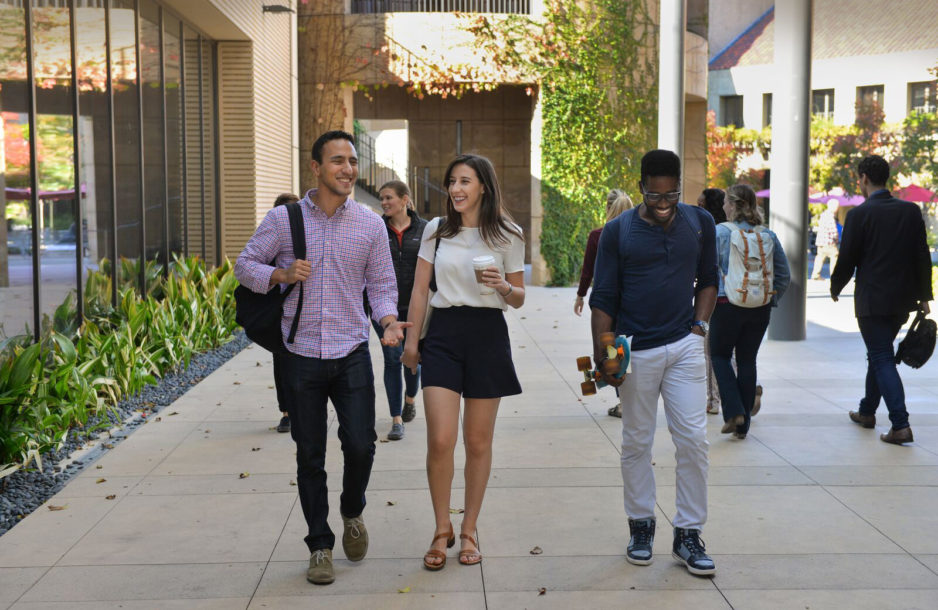

Join a diverse and inclusive community shaped by a commitment to the future.
Learn more : The JD Program
A hallmark of Stanford University and a distinct strength of Stanford Law, where students can explore the many ways law intersects with other fields.
Learn more : Joint Degree Programs
One-year master's degree programs and a doctoral degree (JSD) for international graduate students who have earned a law degree outside the United States.
Learn more : Advanced Degrees



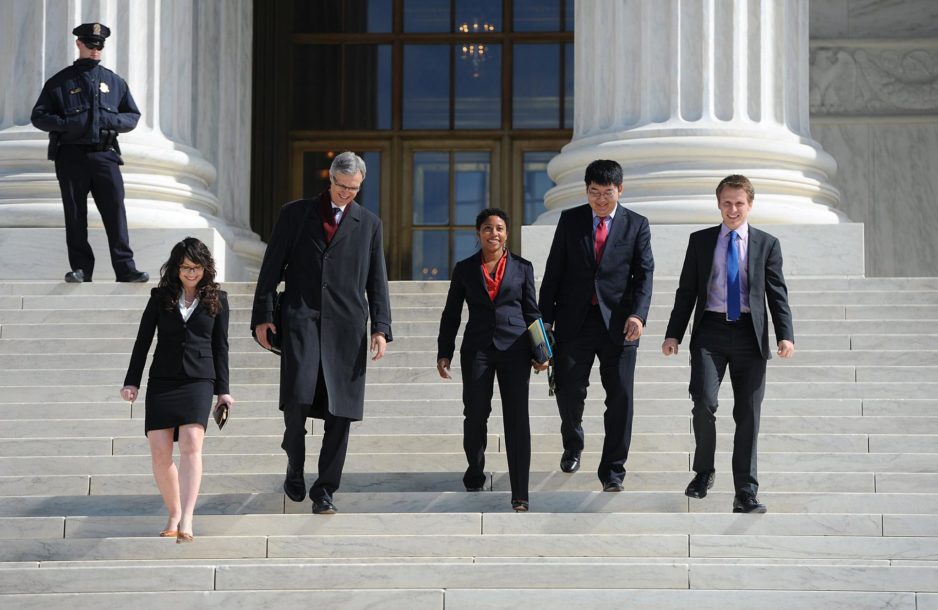
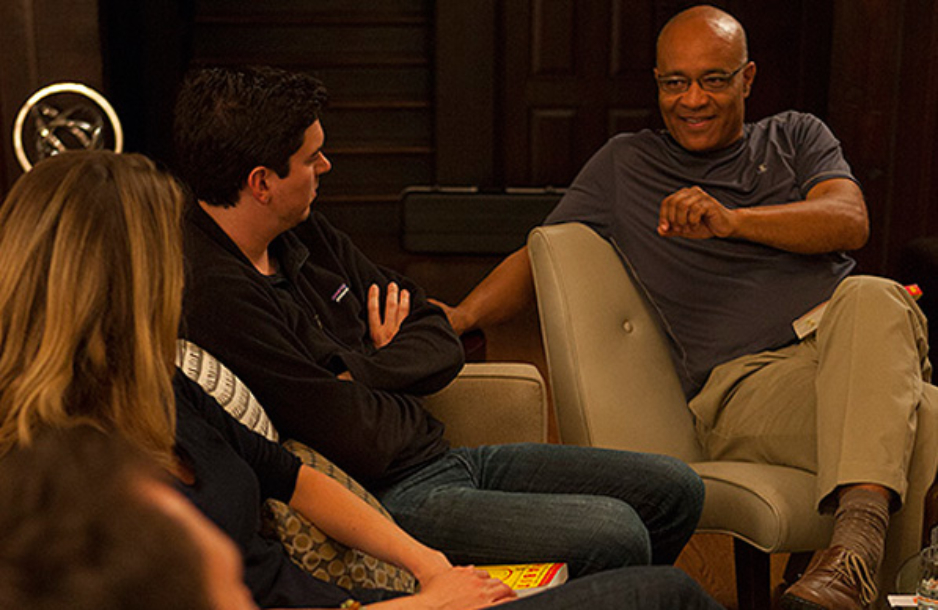
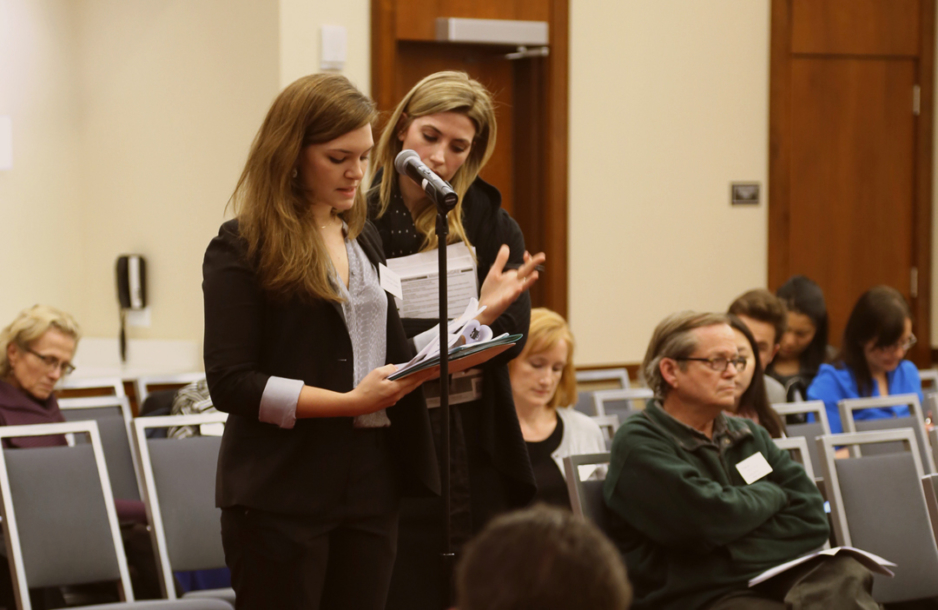
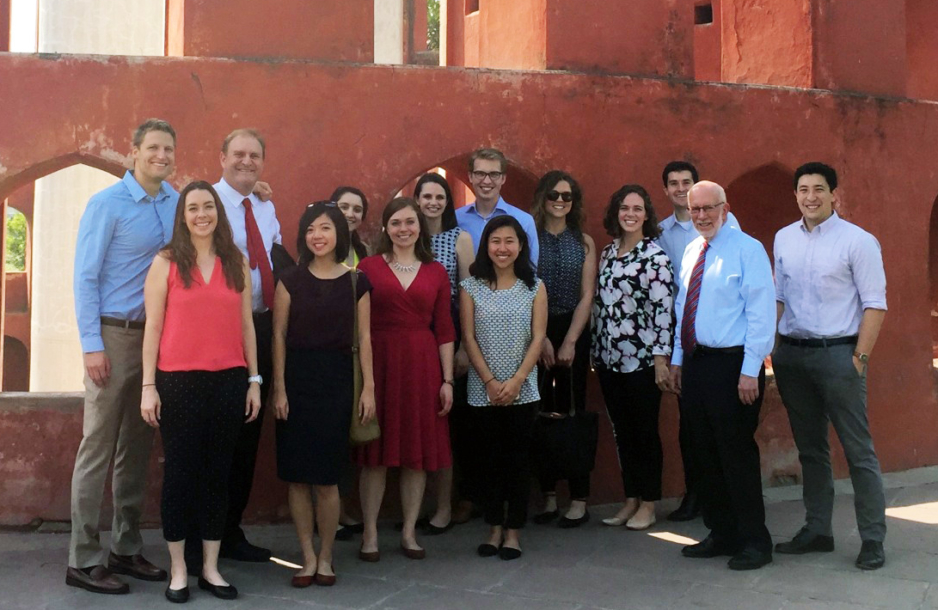
Roses Talk Project | San José Unified
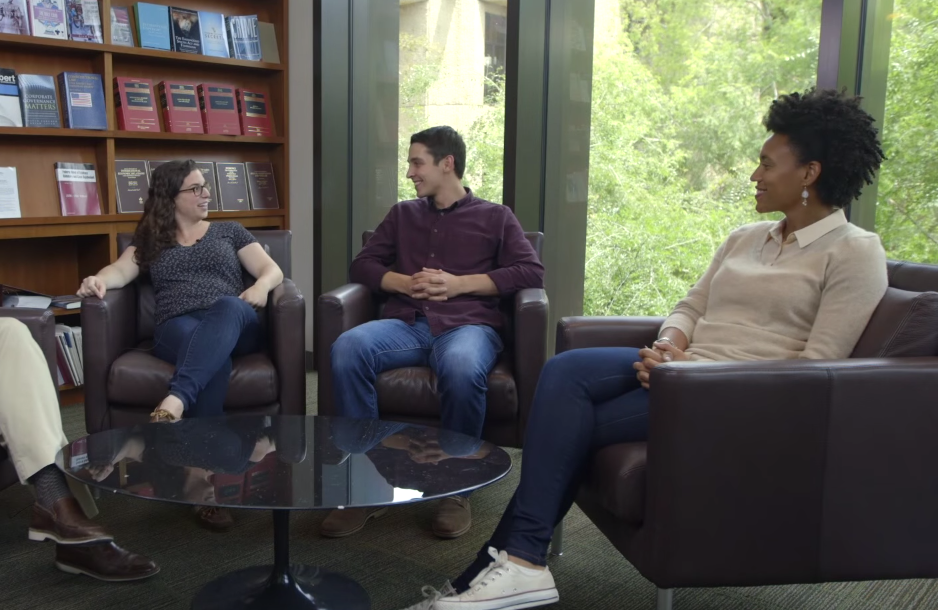
The Roses Talk Project is an education policy initiative led by the Stanford Center for Racial Justice and Stanford’s Graduate School of Education that centers the voices of marginalized high school students and brings those insights directly into school and district decision-making.

Connect with Us



Irene Liu has been named the executive director of the Stanford Law School AI Initiative, co-chaired by Nathaniel Persily, the James B. McClatchy Professor of Law at Stanford Law School, and Professor of Law Julian Nyarko.
“Stanford Law stands at the intersection of technological ...innovation and legal scholarship, making it the natural epicenter for defining the future of AI,” Liu said. “... I look forward to amplifying the groundbreaking research already in progress, expanding our role as a hub for public and private sector engagement, and equipping our students to lead in a world shaped by AI."
The AI Initiative advances interdisciplinary research, teaching, and engagement with industry leaders and policymakers. It brings together faculty, students, centers, labs, and external collaborators to inform how AI is developed, governed, and used responsibly in law and public life.
https://brnw.ch/21x0dsS
Stanford Law Professor Deborah Sivas discusses the implications of President Trump's recent repeal of the greenhouse gas endangerment finding, a significant deregulatory action that could reshape federal climate policy. This move overturns a pivotal 2009 EPA determination critical to ...regulating emissions, raising concerns about potential consequences for public health and the environment.
Sivas emphasizes the urgent need for legal clarity in regulating climate impacts, especially as the repeal could hinder states like California from pushing for stronger emissions standards. As experts grapple with this shift, the future of environmental protections hangs in the balance. With courts set to evaluate the legality of these actions, the intersection of science, law, and environmental justice is more critical than ever.
Explore Sivas’ insights on this pivotal moment for environmental law.

On February 12, President Trump announced the repeal of the long-standing scientific finding that greenhouse gases endanger human life, calling it “
brnw.chJoin us at the Irvine Barclay Theatre on April 7, 2026, for an engaging exploration of justice at the 2026 Shakespeare Trial. Featuring renowned legal minds Bernadette Meyler from Stanford Law and Erwin Chemerinsky from Berkeley Law, this interactive theater event will examine the actions of the

The Merry Wives of Windsor have put Sir John Falstaff in some compromising and even dangerous situations in response to his exploitative advances. ...
brnw.ch
In a recent blog post by Katherine Wu, JD '28, for the Stanford Center for Law and the Biosciences, the challenges of incorporating neuroimaging evidence in criminal trials are examined. Can colorful brain scans truly convey a defendant's mental state during the crime? With foundational ...concepts like actus reus and mens rea at play, understanding how jurors interpret this complex evidence is crucial.
Read the full post: https://brnw.ch/21x05Mu