
We Are Stanford Law
Research, Scholarship and News
With impact in everything from constitutional law and privacy rights to campaign finance reform and the environment, members of the Stanford Law School community shape law and policy through leading-edge research.


SLS Degree Programs
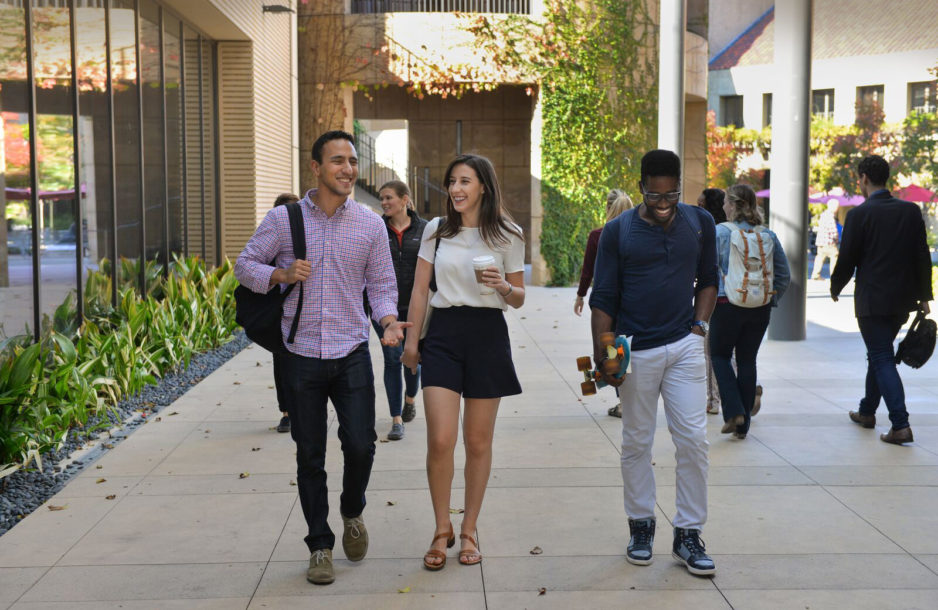

Join a diverse and inclusive community shaped by a commitment to the future.
Learn more : The JD Program
A hallmark of Stanford University and a distinct strength of Stanford Law, where students can explore the many ways law intersects with other fields.
Learn more : Joint Degree Programs
One-year master's degree programs and a doctoral degree (JSD) for international graduate students who have earned a law degree outside the United States.
Learn more : Advanced DegreesStanford Law Students Share Their Stories

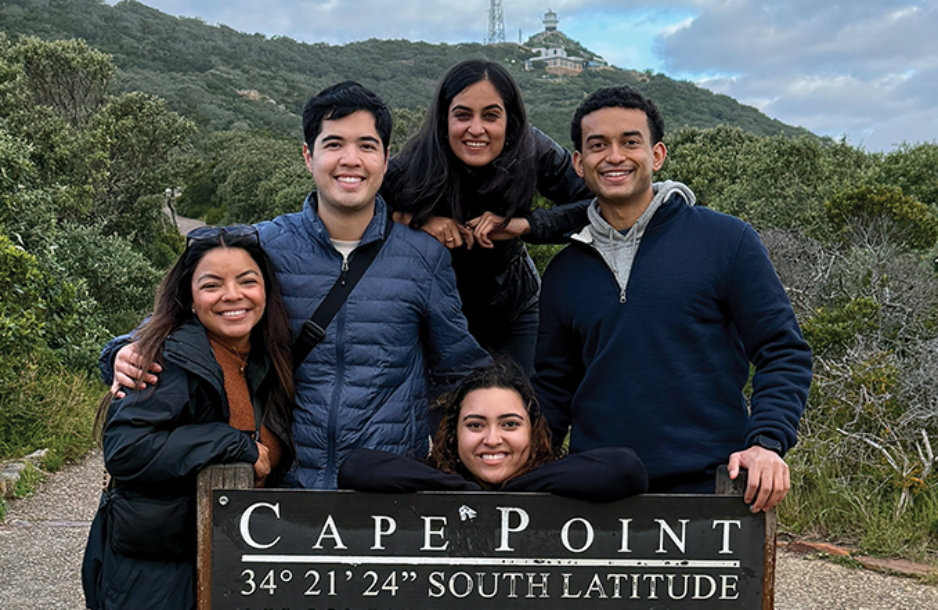


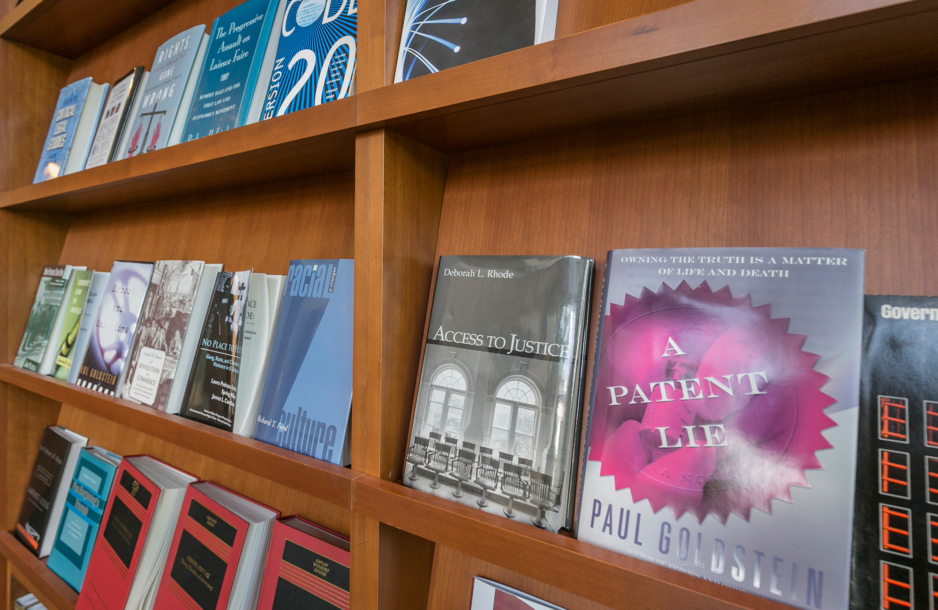
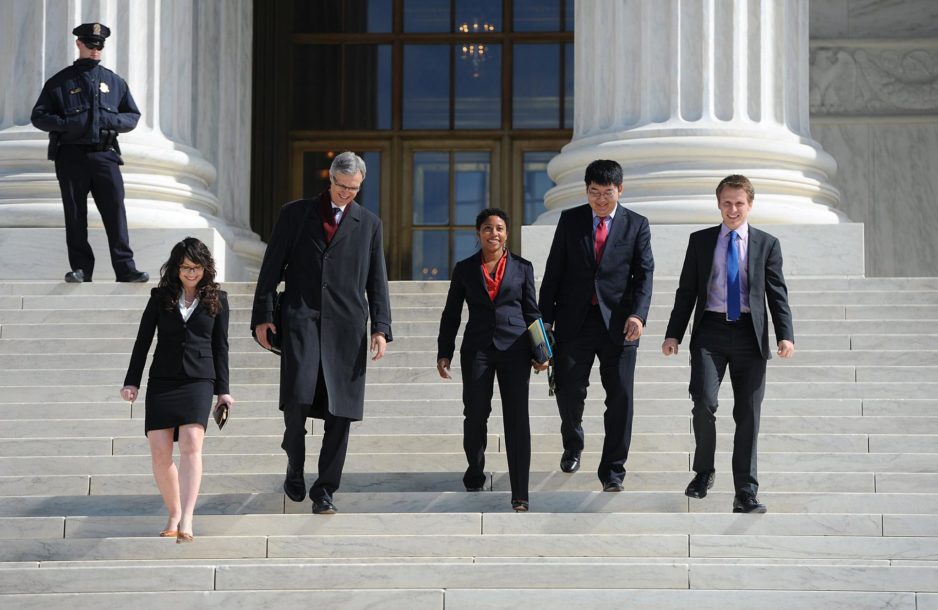
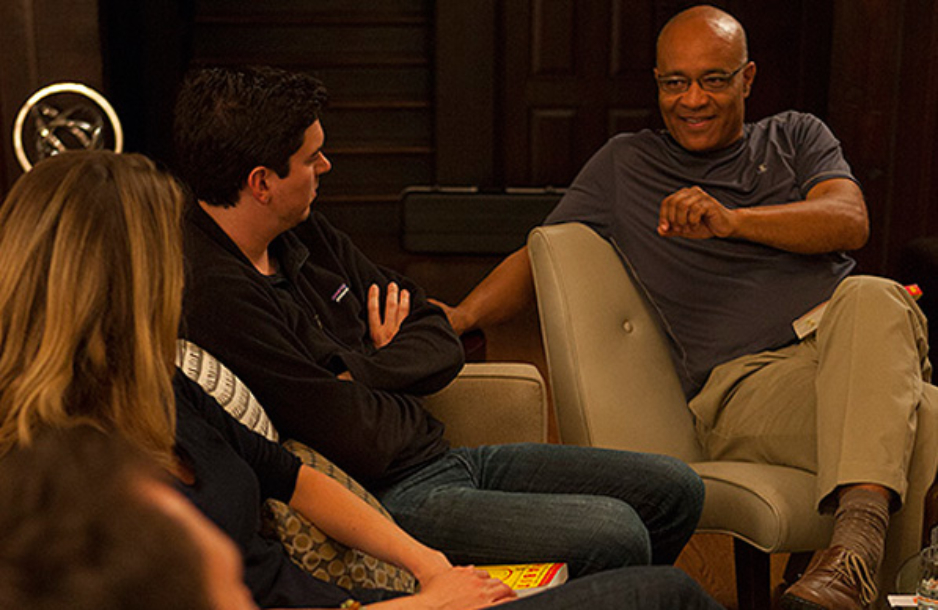
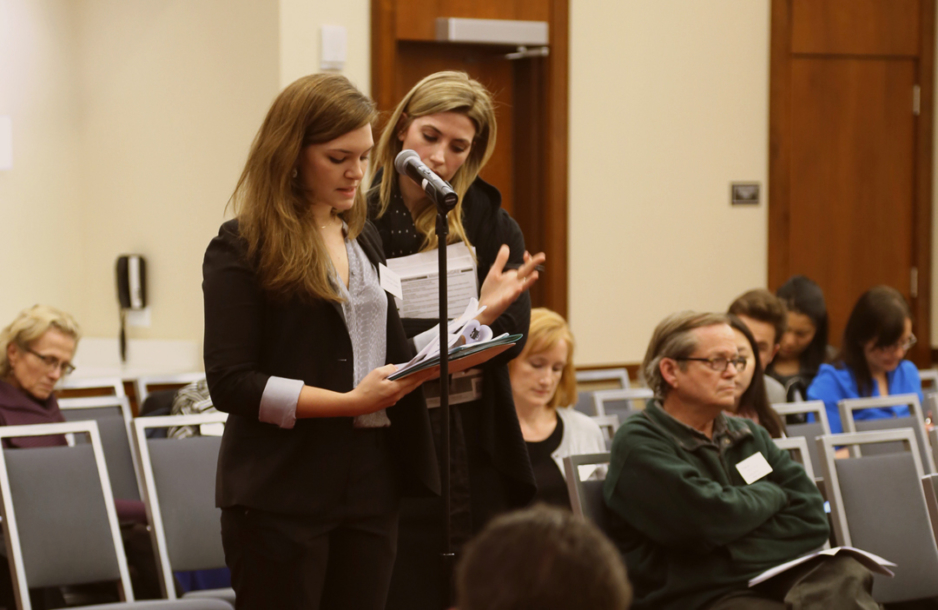

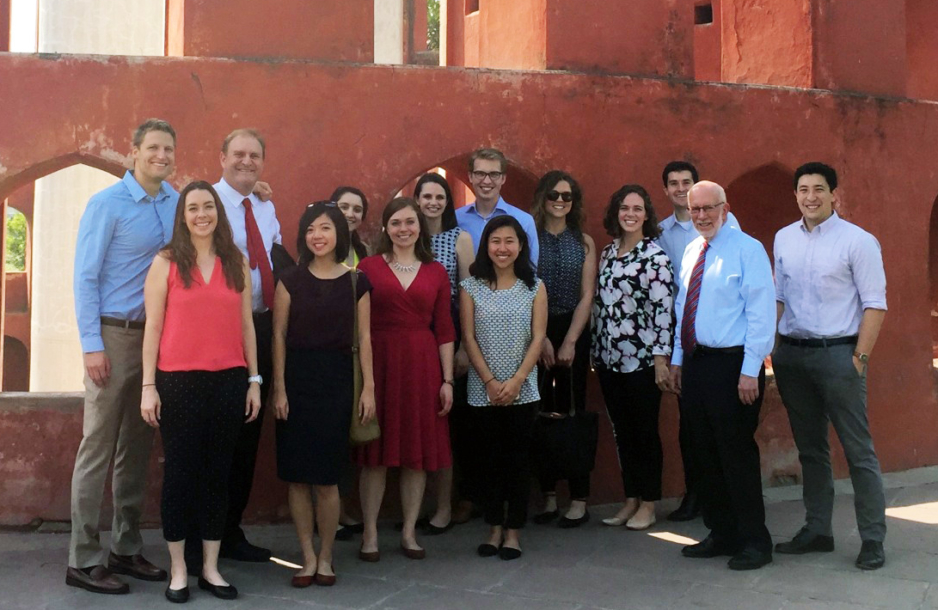
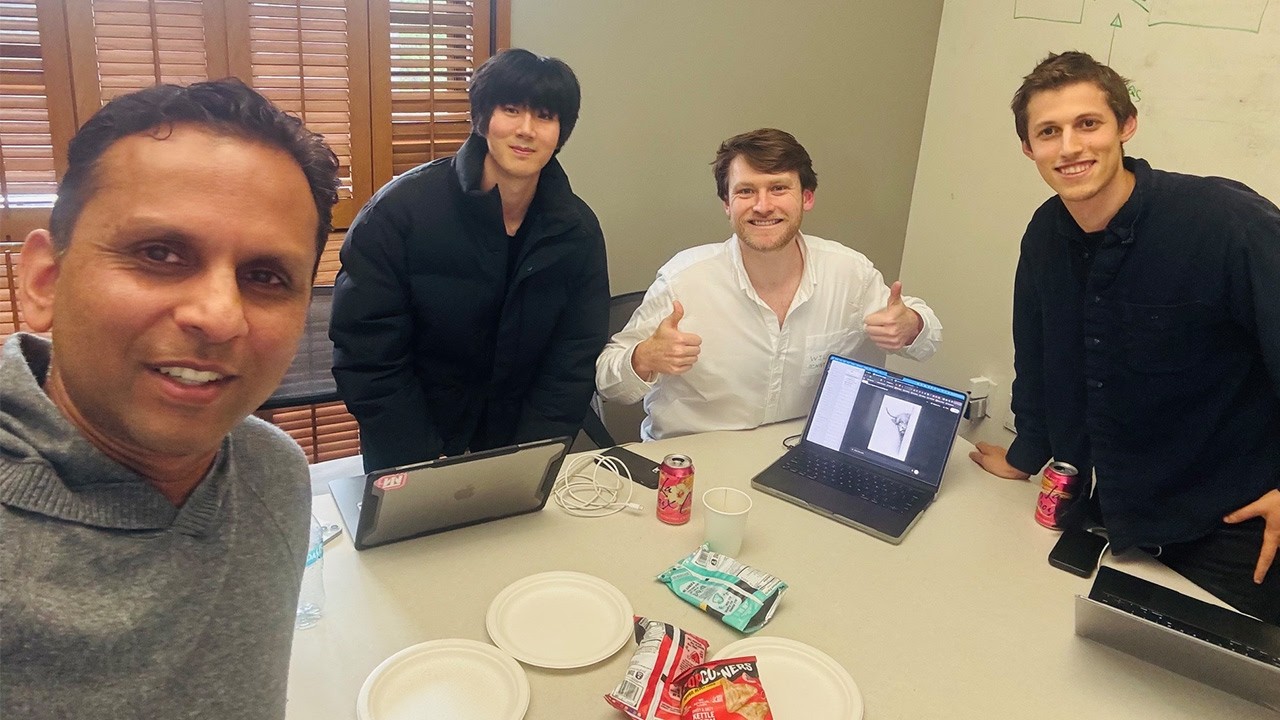
2026 LLM x Law Hackathon
The hackathon wasn’t just a competition; it was a glimpse into what becomes possible when the people who understand AI and the people who understand law are finally in the same room, building together.
Connect with Us

Permitting reform need not come at the expense of environmental protection or public participation.
In a new essay, Professor Deborah A. Sivas, JD ’87, co-director of the Environmental Law Clinic, examines federal permitting legislation and California’s Proposition 45. She argues that Read moreboth measures would make sweeping changes to cornerstone environmental laws, including NEPA and CEQA, while narrowing opportunities for communities to seek judicial review.
The path to faster, more equitable infrastructure and housing development, she writes, requires evidence-based reforms that build trust, transparency and shared benefits — not broad rollbacks of environmental safeguards.
Read the essay: https://brnw.ch/21x6bhp
#EnvironmentalLaw #NEPA #CEQA #PermittingReform #EnvironmentalJustice

The “Abundance” agenda took a major step forward last week when four U.S. Senators introduced the “Bipartisan American Affordability and Jobs Ac
brnw.ch



❣️Just 2 more weeks until Stanford Law School Reunions! If there’s one time to return to Stanford this year, make it October 16-17. Sign up now, as online registration closes October 13. We are rolling out the red carpet for our alums so check the link in bio ✨

How is AI reshaping legal education, legal work and the legal talent pipeline?
Two recent podcast conversations explore the rise of legal engineering and the need to rethink how legal services are designed, delivered and taught.
🎧 On Pearls on, Gloves Off, host Mary O’CarrollRead more speaks with Stanford Law’s Adam Sterling and Irene Liu about the school’s new Legal Engineering Academy.
🎧 On Stanford Law’s AI Sidebar, host Irene Liu joins O’Carroll, CEO of LegalEng Consulting Group, to discuss legal “rightsourcing,” legal solutions engineers and the organizational changes needed to realize AI’s potential.
Listen to both episodes:
⚪ Pearls on, Gloves Off: https://brnw.ch/21x660M
🔴 AI Sidebar: https://brnw.ch/21x660L