
Welcome Back
Research, Scholarship and News
With impact in everything from constitutional law and privacy rights to campaign finance reform and the environment, members of the Stanford Law School community shape law and policy through leading-edge research.


SLS Degree Programs
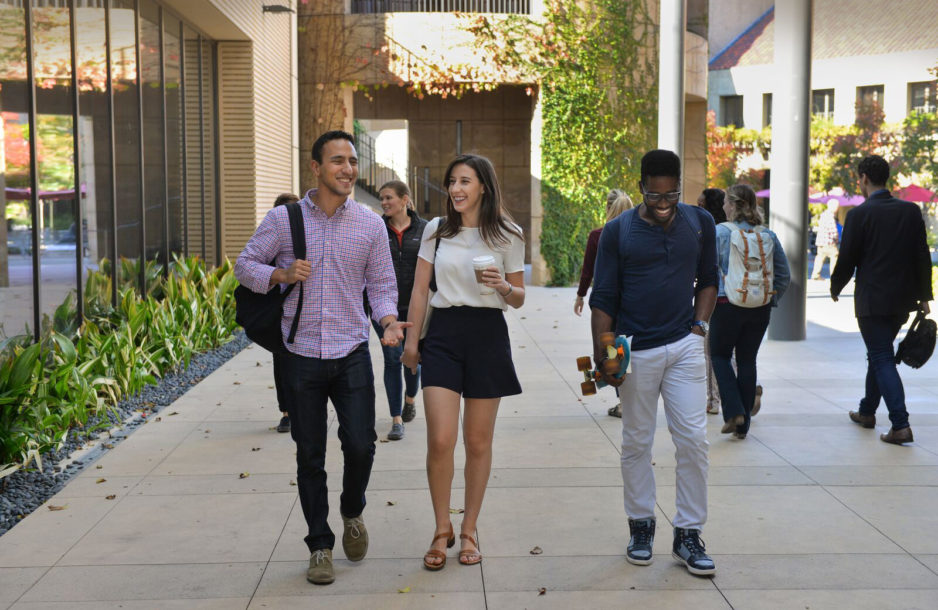

Join a diverse and inclusive community shaped by a commitment to the future.
Learn more : The JD Program
A hallmark of Stanford University and a distinct strength of Stanford Law, where students can explore the many ways law intersects with other fields.
Learn more : Joint Degree Programs
One-year master's degree programs and a doctoral degree (JSD) for international graduate students who have earned a law degree outside the United States.
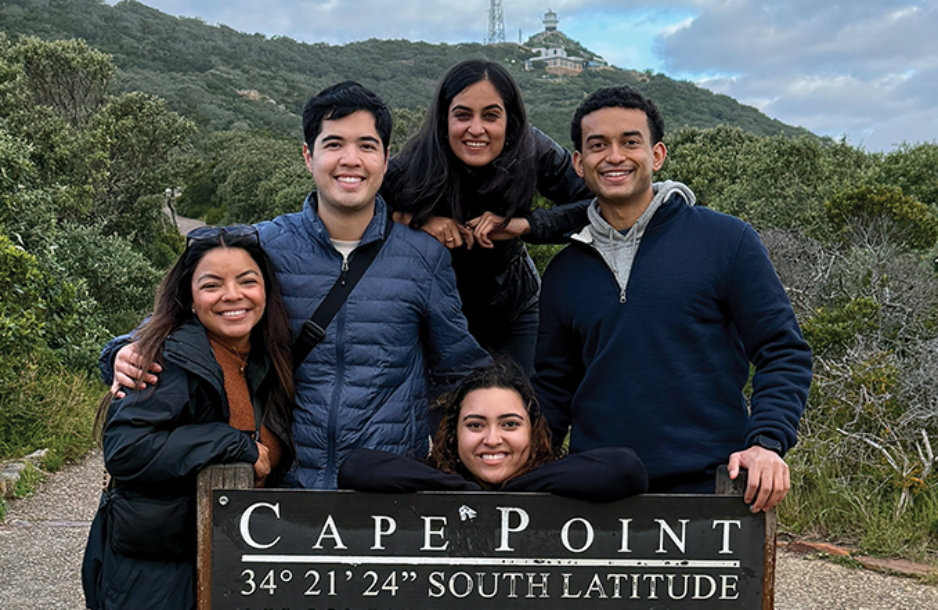
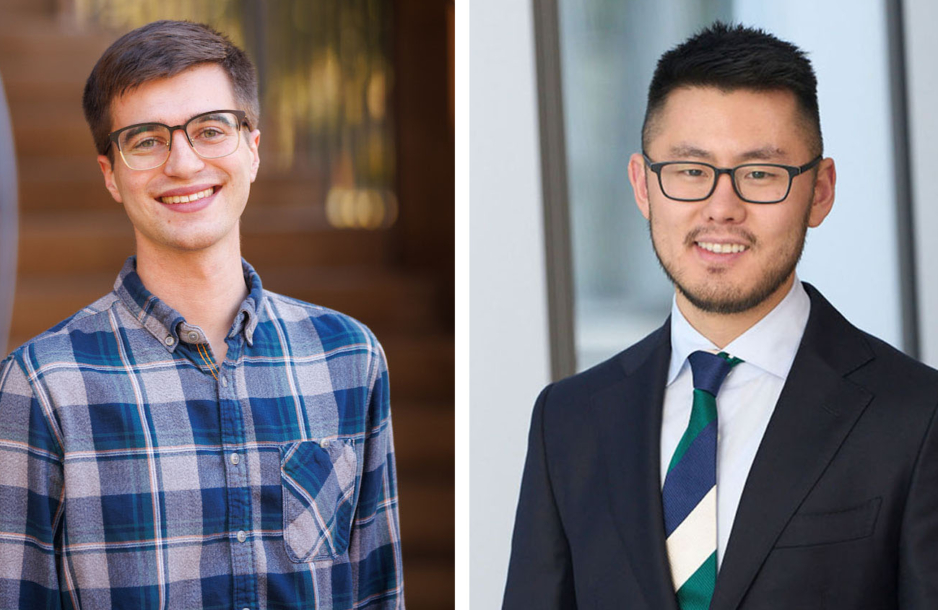
Learn more : Advanced DegreesStanford Law Students Share Their Stories

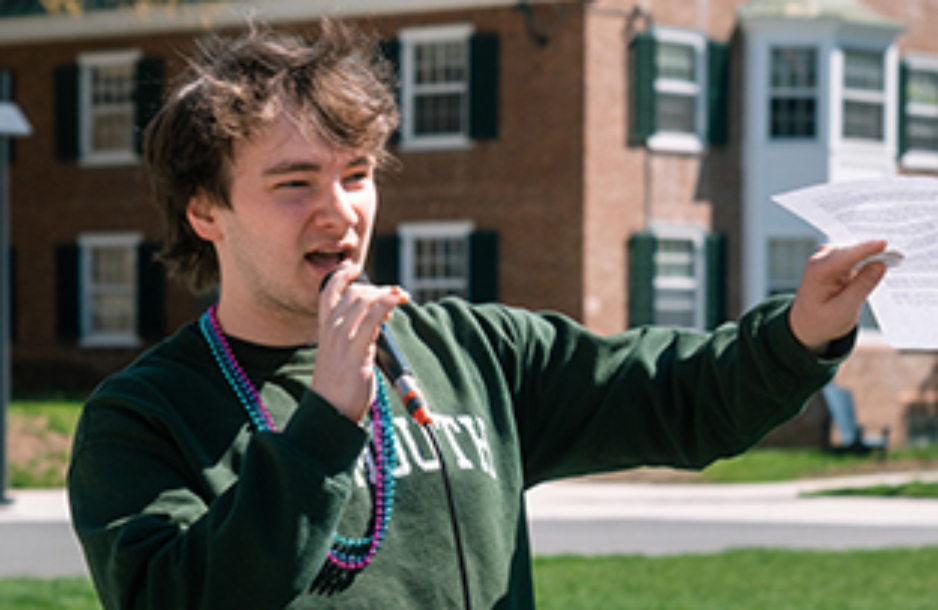

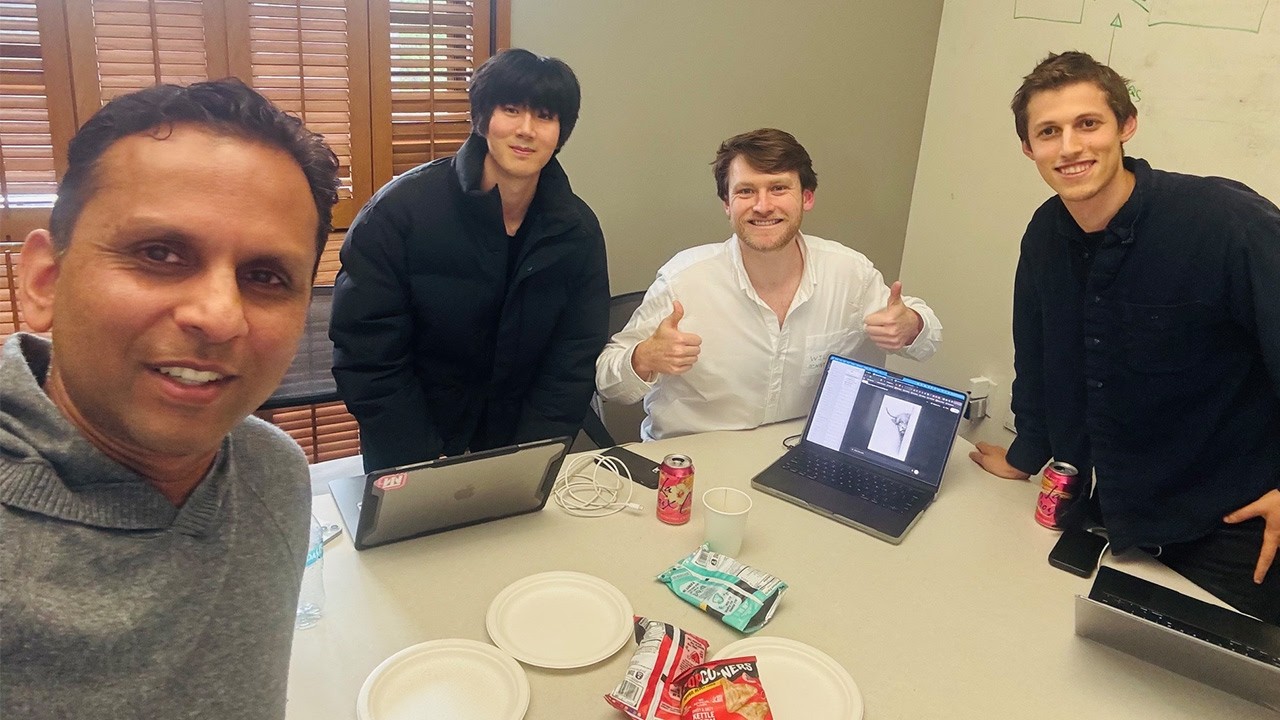
2026 LLM x Law Hackathon
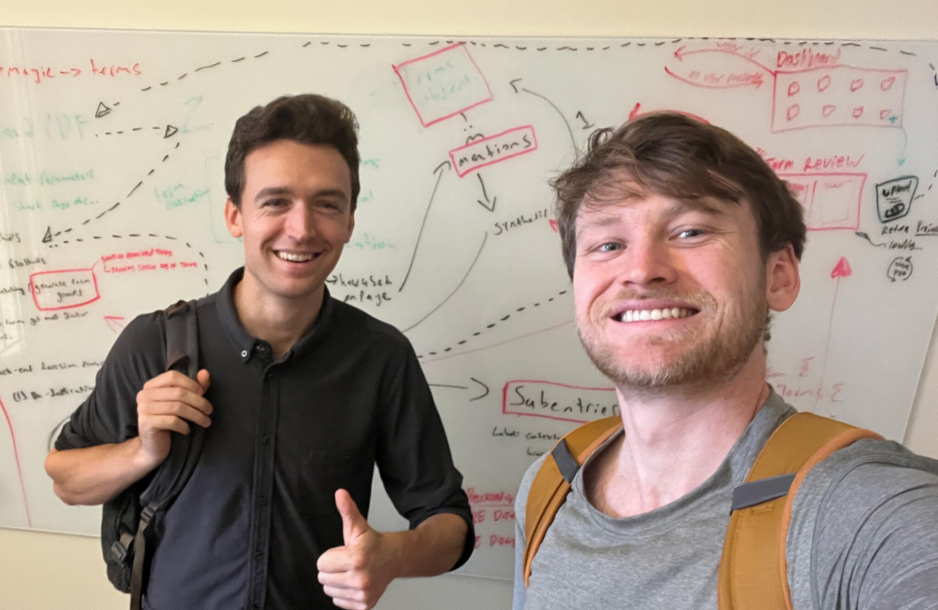
The hackathon wasn’t just a competition; it was a glimpse into what becomes possible when the people who understand AI and the people who understand law are finally in the same room, building together.
Connect with Us


A new report from the Stanford Space Law Society and Stanford’s Law & Policy Lab, in partnership with the Stanford Haas Center For Public Service and prepared for policy client The Aerospace Corporation, examines a defining challenge for the modern orbital environment: how to prevent Read morecollisions and assign responsibility as spacecraft operations become more autonomous.
"Governing Orbits: Collision Prevention and Liability in the Age of Autonomous Space Operations" explores how growing satellite constellations, on-orbit servicing, debris removal and proximity operations are reshaping space governance. The report was led by co-instructors Erik Jensen and Dinsha Mistree, with student lead Cody Wang.
As artificial intelligence enables spacecraft to make navigation and collision-avoidance decisions with less human intervention, existing legal frameworks face new questions about accountability, attribution and oversight.
Read the report: https://brnw.ch/21x5QGZ
#SpaceLaw #SpacePolicy #ArtificialIntelligence #OrbitalSafety
As artificial intelligence reshapes the American workforce, young workers face significant uncertainty and signs of potential trouble.
New research from Census Bureau economists finds that college grads in the most AI-exposed majors have seen their employment chances decline significantly,Read more mirroring the effects of graduating into a recession.
Josh Waldman, JD '27, a Knight-Hennessy Scholar at Stanford Law School and former Biden White House economic policy adviser, alongside Gene Sperling, former two-time National Economic Council Director, identify what they call an "employment Catch-22" facing today's young workers.
"The entry-level job dilemma is that young workers lack the key experience and judgment that make them harder to replace with AI, but slow entry-level hiring makes it hard to get that kind of work experience and judgment."
They argue for a “no regrets” policy response: double down on national service jobs programs to help fill that gap.
Read the full opinion essay:

As young workers face massive scarring from AI, there's one obvious fix Washington must pursue.
brnw.ch“For too many Californians, accessing government services seems like a maze. With AskCA, California is harnessing a culture of innovation to respond to the needs of the state’s 39 million residents to connect with services.
Stanford RegLab is proud to partner with the state to pioneer Read morea framework to rigorously learn, evaluate, and improve such a system through rapid technological change," says Daniel E. Ho, Stanford Law Professor and Director of Stanford RegLab.
Take a look at the new AI-powered tool to help Californians better connect with state services:

State of California
brnw.ch


Our paths are shaped by the people we meet along the way. See where the conversation takes you.