

Lifelong Friends, Stanford Memories
Research, Scholarship and News
With impact in everything from constitutional law and privacy rights to campaign finance reform and the environment, members of the Stanford Law School community shape law and policy through leading-edge research.




SLS Degree Programs


Join a diverse and inclusive community shaped by a commitment to the future.
Learn more : The JD Program
A hallmark of Stanford University and a distinct strength of Stanford Law, where students can explore the many ways law intersects with other fields.
Learn more : Joint Degree Programs
One-year master's degree programs and a doctoral degree (JSD) for international graduate students who have earned a law degree outside the United States.
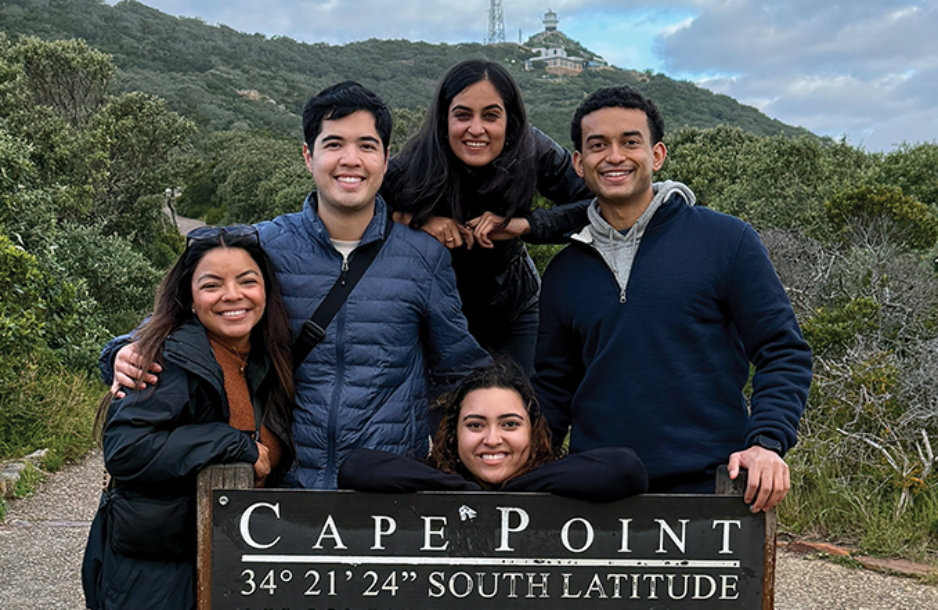
Learn more : Advanced DegreesStanford Law Students Share Their Stories






By the Book
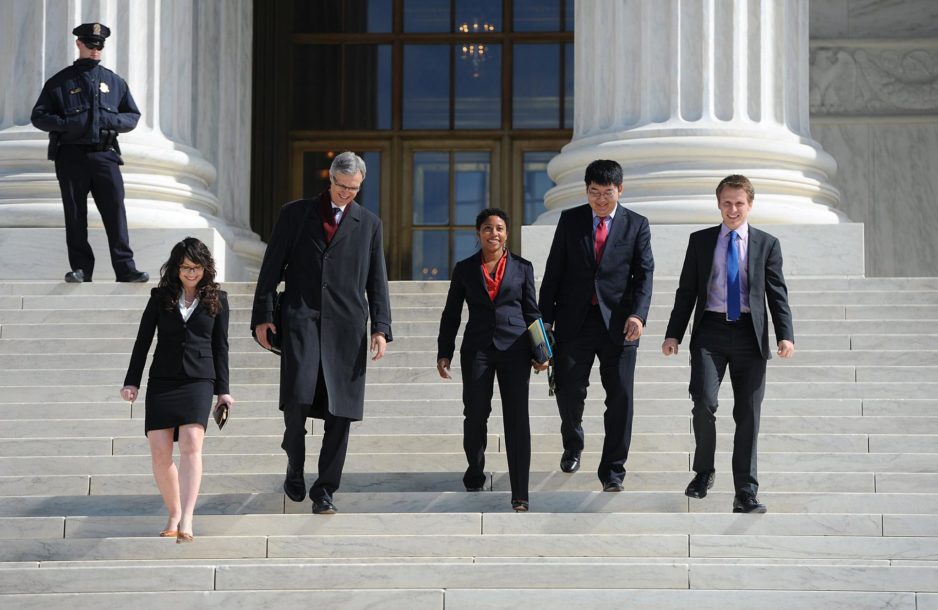
Stanford Law classmates turn a tedious publishing task into an AI-powered startup.

Connect with Us




Some of the biggest questions of our time will take center stage at Stanford Law School this Sunday and Monday, Oct. 18-19.
The 2026 Marshall Forum on Artificial Intelligence is bringing together leading voices from law, technology, business, journalism, and government for two days of Read morethought-provoking discussions about how AI is reshaping innovation, law, and global security.
Speakers include New York Times columnist Thomas Friedman and LinkedIn co-founder Reid Hoffman, along with five Stanford Law leaders:
💡Dean George Triantis
💡Professor Nate Persily
💡Professor Julian Nyarko
💡Professor David Freeman Engstrom
💡Megan Ma, executive director of liftlab.
The conference is free and open to the public.
View the program and register:

2026 marshall forum on aiOctober 18-19, 2026 | Bay Area, CA The Marshall FORUM ON AI View Full Program Sunday, October 18, 20261:00 PM - 4:00 PM ...
brnw.chThe Senate’s new bipartisan infrastructure permitting reform bill gets some important things right, according to Professor David J. Hayes, a former White House climate policy adviser and Deputy Secretary of the Interior under Presidents Obama and Clinton. But it also misses key Read moreopportunities—and some proposed changes could create more problems than they solve, he says.
In his latest post for Stanford Law’s faculty blog, Legal Aggregate, Hayes takes a close look at the legislation, identifying promising reforms and critical omissions.
Read his analysis:

Shortly before a bipartisan group of U.S. Senators released their bipartisan infrastructure permitting reform legislation—the Bipartisan American Af
brnw.ch