
Ready for Takeoff
Research, Scholarship and News
With impact in everything from constitutional law and privacy rights to campaign finance reform and the environment, members of the Stanford Law School community shape law and policy through leading-edge research.

SLS Degree Programs
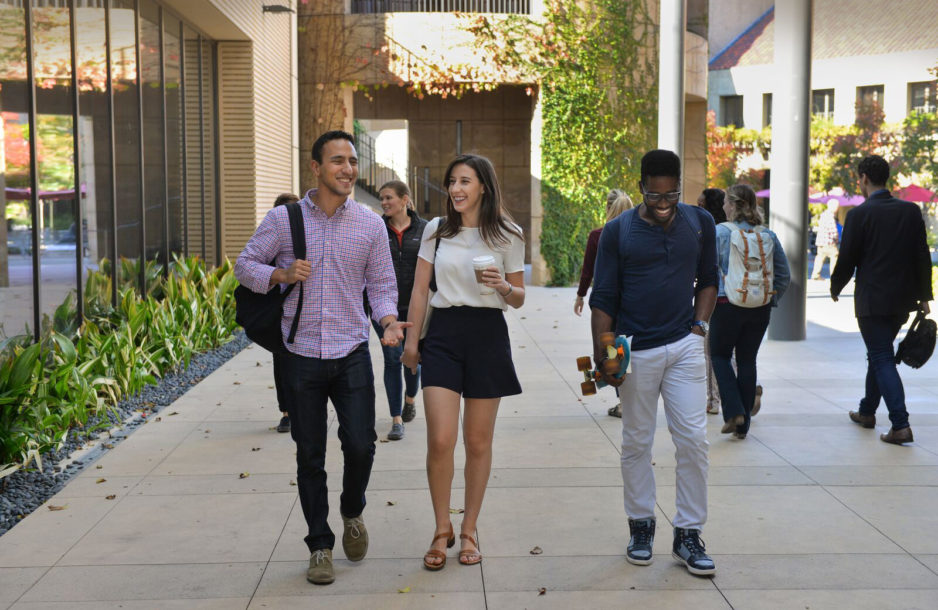

Join a diverse and inclusive community shaped by a commitment to the future.
Learn more : The JD Program
A hallmark of Stanford University and a distinct strength of Stanford Law, where students can explore the many ways law intersects with other fields.
Learn more : Joint Degree Programs
One-year master's degree programs and a doctoral degree (JSD) for international graduate students who have earned a law degree outside the United States.
Learn more : Advanced DegreesStanford Law Students Share Their Stories


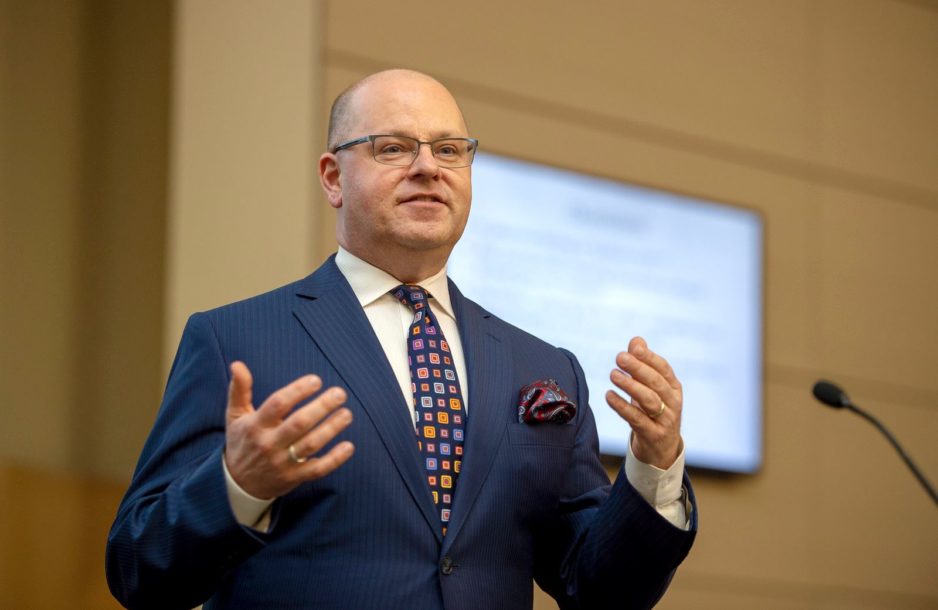
Spring Short Course | A Litigator's Guide to AI. Attention Is All You Need?
Stanford Law School “Short Courses" are intensive one- or two-unit offerings that run just a few weeks and bring distinguished judges, practitioners, and policymakers into the classroom.
Connect with Us


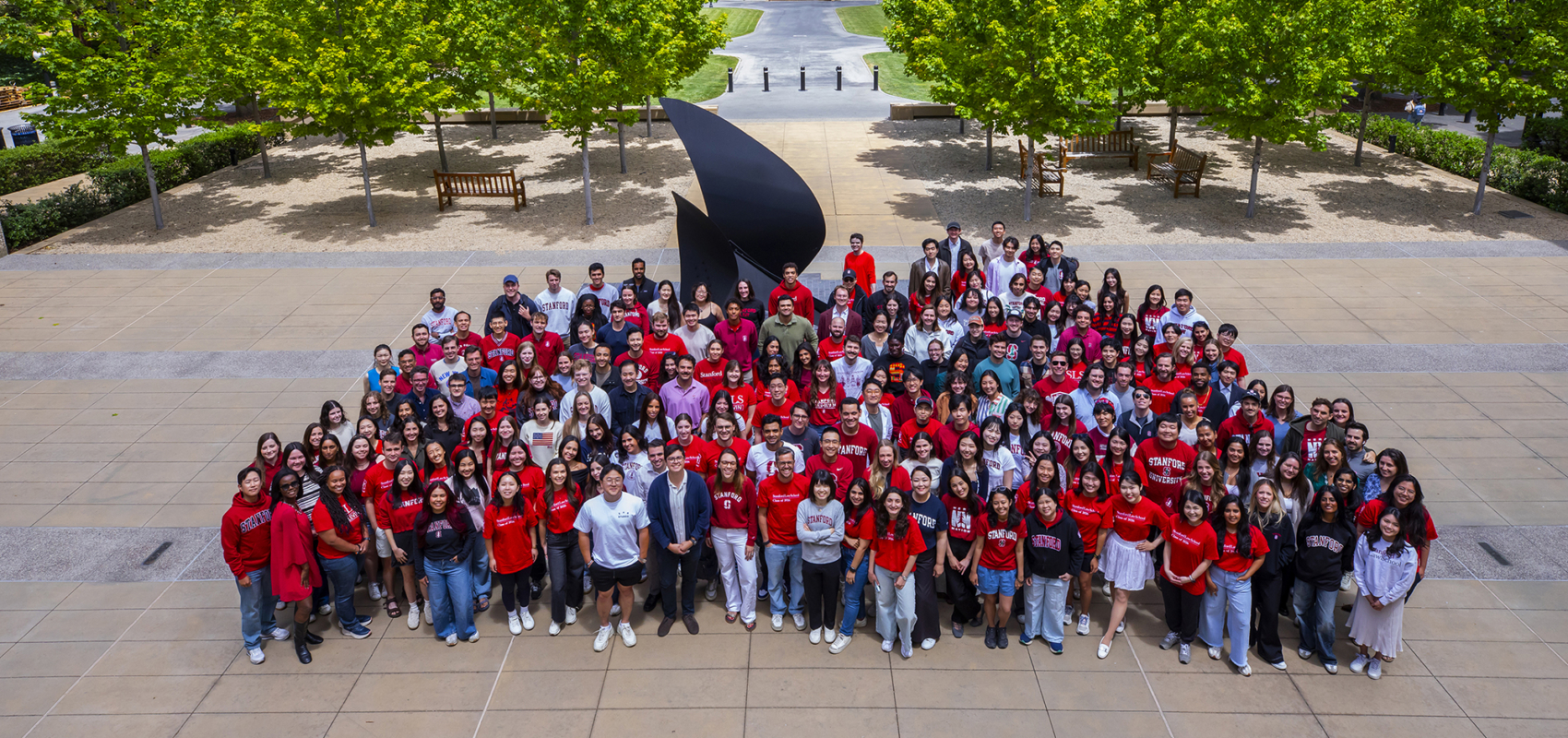
See how the Class of 2026 photo came to life 🎓


Students in Stanford Law School’s Policy Practicum: Governing Autonomous and AI Systems in Outer Space recently wrapped up a two-quarter project examining one of the more futuristic--and fascinating--questions in law and policy: how should U.S. governance keep pace with a space environment that ...is growing more congested, more complex, and more autonomous?
The lab originated with students at the Stanford Space Law Society, who proposed the course concept to lecturers Erik Jensen and Dinsha Mistree from the @Neukom Center for the Rule of Law. Together, they worked to establish the course as part of Stanford Law School’s Policy Lab Program and brought together students from law, engineering, international policy, and business to explore new governance frameworks for outer space. Their client for this “only at Stanford Law” policy lab was the Aerospace Corporation, a nonprofit that advises the U.S. government on space enterprise and systems engineering issues.
In the “New Space” era, private companies are rapidly transforming Earth’s orbit into a crowded, commercially driven environment. Thousands of satellites are already in orbit, with many more expected in the coming years, all navigating around millions of pieces of fast-moving debris. As AI systems support collision avoidance, navigation, and other novel operations, the legal and policy questions become harder and more urgent.

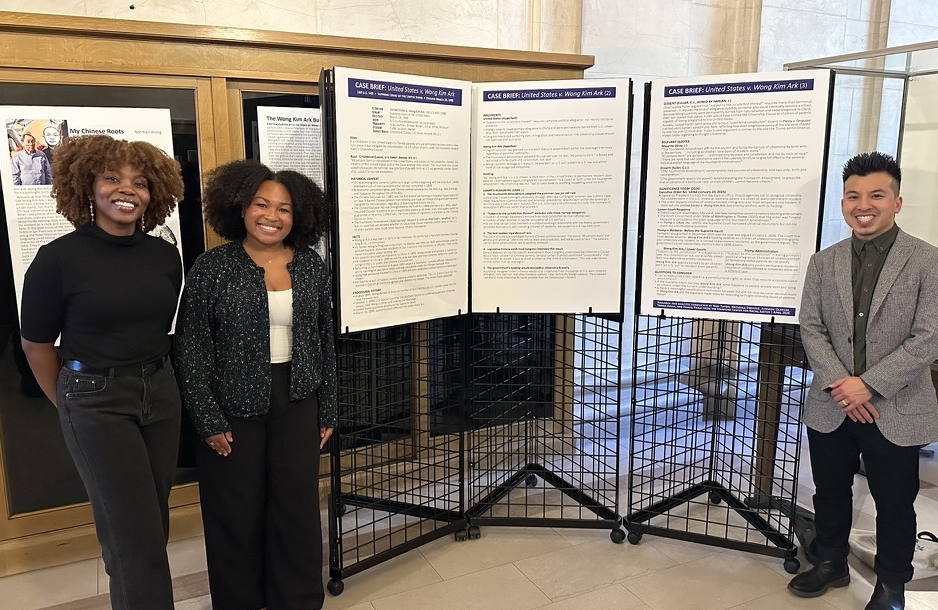
In 1895, Wong Kim Ark returned by steamship to San Francisco, the city where he was born, and was denied entry. The Supreme Court case that followed shaped the constitutional meaning of birthright citizenship.
With birthright citizenship again before the Supreme Court, ...@stanfordracialjustice students recently helped bring Wong's story to life through a San Francisco public-history project joining law, art, and community memory.
Working with Hoang Pham, director of education and opportunity at the center, Stanford Law students Nini Tufon, Nkemjika Emenike, Ayomide Oloyede, and Tarina Ahuja created a public-facing case study to accompany sculptor Alicia N. Ponzio’s bronze bust of Wong Kim Ark. At an event in San Francisco, Tufon and Emenike also moderated a conversation with Wong's great-grandchildren.
Read more through the link in bio.

🚨 Call for Abstracts – Tenth Conference for Junior Researchers 🚨
Full details and submission guidelines: https://brnw.ch/21x3dgC
The Law and Society Association at Stanford Law School (LSAS) invites submissions for its Tenth Conference for Junior Researchers, exploring ..."Technology, Social Change, and Law".
🔹 How does technological change generate new law and society issues?
🔹 How do legal institutions respond to technological transformation?
🔹 How can technological advances in social science methods and data science allow scholars to revisit longstanding law and society questions?
📅 Submission Deadline: July 31, 2026
📩 Questions? Contact us at
stanfordlawandsociety@gmail.com