
Shh...
Research, Scholarship and News
With impact in everything from constitutional law and privacy rights to campaign finance reform and the environment, members of the Stanford Law School community shape law and policy through leading-edge research.

SLS Degree Programs
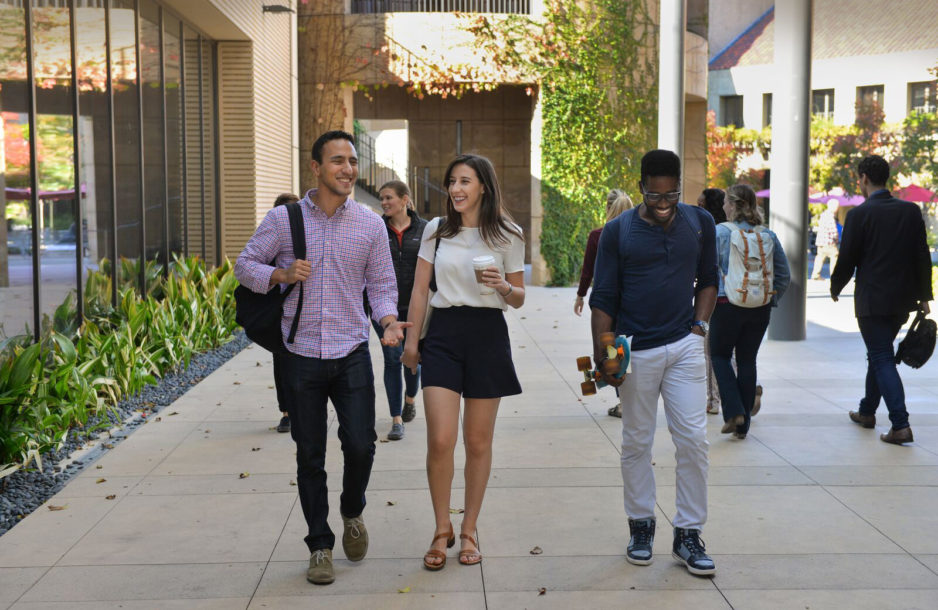
Join a diverse and inclusive community shaped by a commitment to the future.
Learn more : The JD Program
A hallmark of Stanford University and a distinct strength of Stanford Law, where students can explore the many ways law intersects with other fields.
Learn more : Joint Degree Programs
One-year master's degree programs and a doctoral degree (JSD) for international graduate students who have earned a law degree outside the United States.
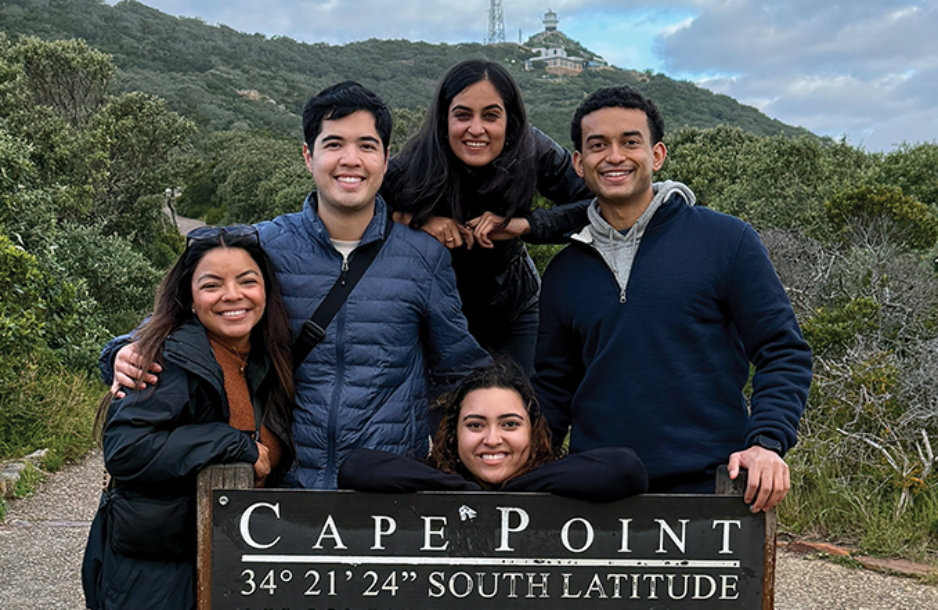
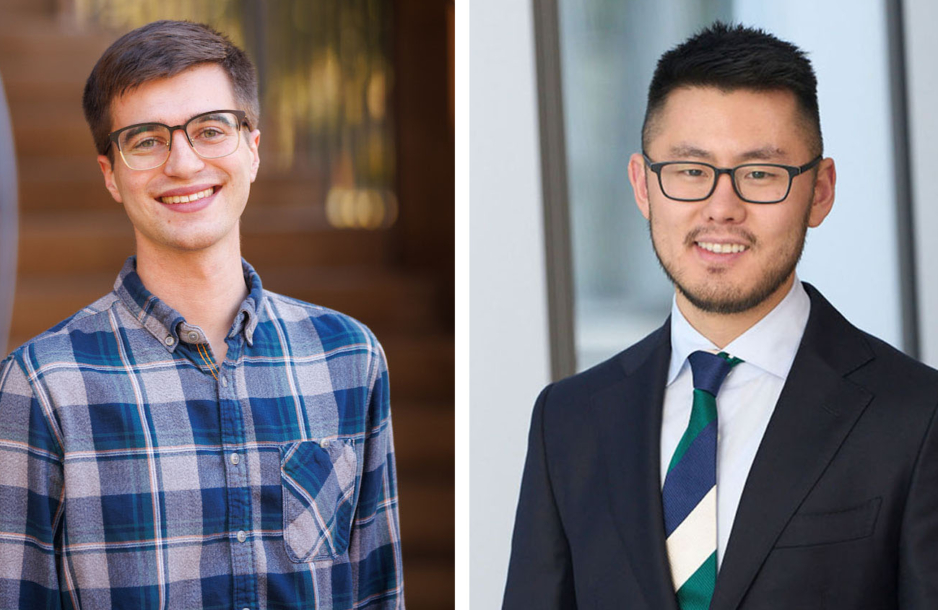
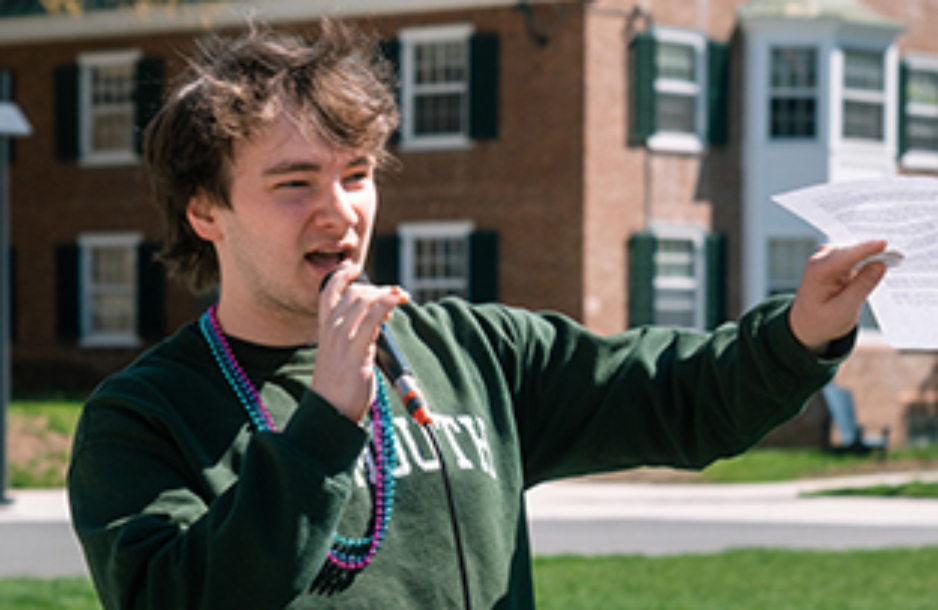
Learn more : Advanced DegreesStanford Law Students Share Their Stories

Spring Short Course | A Litigator's Guide to AI. Attention Is All You Need?
Stanford Law School “Short Courses" are intensive one- or two-unit offerings that run just a few weeks and bring distinguished judges, practitioners, and policymakers into the classroom.
Connect with Us

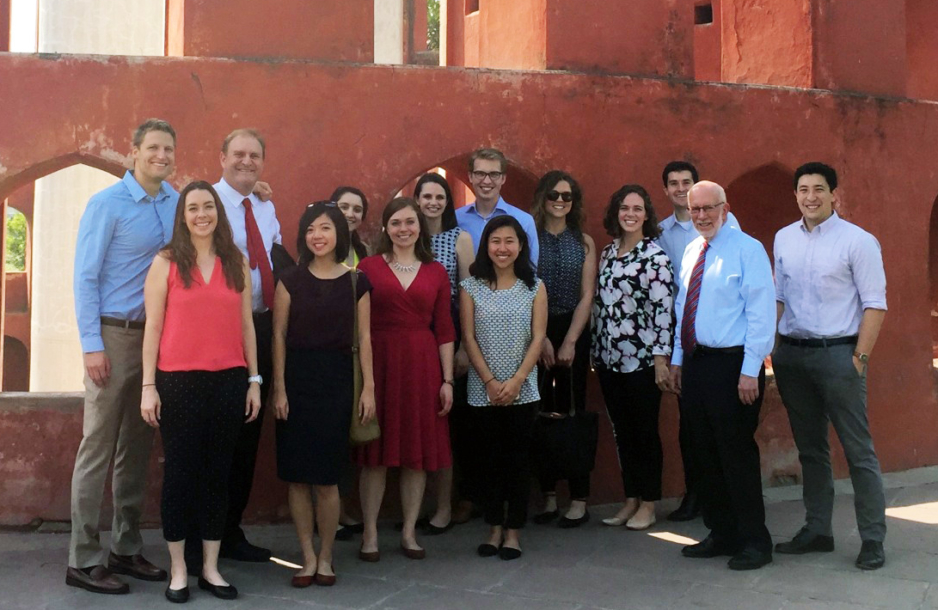
Stanford Law School’s Night of Firsts returned on May 15, bringing together students, alumni, faculty, and friends to celebrate the 10th anniversary of the First Generation and Low-Income Professionals (@sls_fli) affinity group.
As FLI’s signature gala, Night of Firsts offered a chance... to honor the students and alumni who have helped build the organization and to recognize the power of being “first” while opening doors for those who follow.
This year’s speakers included FLI founder Jasmine Miller, JD ‘19, and Christopher Middleton, JD ‘21, of the Youth Law Center. The event was organized by the 2025–2026 FLI Board, including Co-Presidents Jocelyn Tapia, JD ‘27, and Breeze Velazquez, JD ‘27, and led by FLI Gala Chair Blessing Roland-Magaji, JD ‘27.


A new Stanford Law School study led by Professor Julian Nyarko offers striking evidence about AI’s potential role in legal education.
In “Law Professors Prefer AI Over Peer Answers,” 16 law professors evaluated answers to student questions in contract law without knowing whether the ...responses came from AI or from fellow professors. Across nearly 3,000 comparisons, AI-generated answers were rated significantly higher, winning 75% of head-to-head matchups.
The findings raise important questions about how AI tools might support legal education while preserving the nuance and critical thinking at the core of legal training.
Read more: https://brnw.ch/21x340I

Attorneys across the country are asking: how do we provide justice for victims of misconduct by federal officers?
The Federal Tort Claims Act exists precisely for this purpose, but its complexity has kept it underutilized. Stanford Law Professor Nora Freeman Engstrom and Rhode Center ...Executive Director Malka Herman have written "From State Tort to Federal Liability: An FTCA Field Guide for Minnesota Practitioners”—a practitioner-focused primer designed to demystify the statute and put it to work.
Their 75-page primer breaks down everything Minnesota attorneys need to know: how to meet the FTCA's demanding procedural requirements, how to defeat exceptions that have tripped up litigants for years, and how underlying state tort law shapes every claim.
The guide covers:
→ Complex procedural requirements, step-by-step
→ How to navigate and overcome the discretionary-function exception
→ The key Minnesota tort law elements underlying federal claims
→ Real-world fact patterns and how to approach them
Read the full Q&A here: https://brnw.ch/21x31Tt

This year’s MuSLSical was one for the record books.
Law Is Blind, the 2026 student-produced musical parody, sold 648 tickets and featured a cast and crew of more than 90 students, the largest in the show’s multi-decade history.
This year’s production imagined SLS running out... of money and turning itself over to a corporate studio, which transforms the law school into an ad-filled reality show where two unsuspecting 1Ls have no idea they’re on TV. Naturally, chaos follows.
Directed by Aidan Houston, JD ’26, and written by a team led by Rebecca Han, JD ’26, the show brought together students from all three JD classes and advanced degree programs. Stanford Law students, as always, handled the writing, choreography, arrangements, acting, tech, staging, and lighting, with cameo appearances from seven faculty members. To see the full list of producers, click the link in bio.