
Welcome Back
Research, Scholarship and News
With impact in everything from constitutional law and privacy rights to campaign finance reform and the environment, members of the Stanford Law School community shape law and policy through leading-edge research.



SLS Degree Programs


Join a diverse and inclusive community shaped by a commitment to the future.
Learn more : The JD Program
A hallmark of Stanford University and a distinct strength of Stanford Law, where students can explore the many ways law intersects with other fields.
Learn more : Joint Degree Programs
One-year master's degree programs and a doctoral degree (JSD) for international graduate students who have earned a law degree outside the United States.
Learn more : Advanced DegreesStanford Law Students Share Their Stories

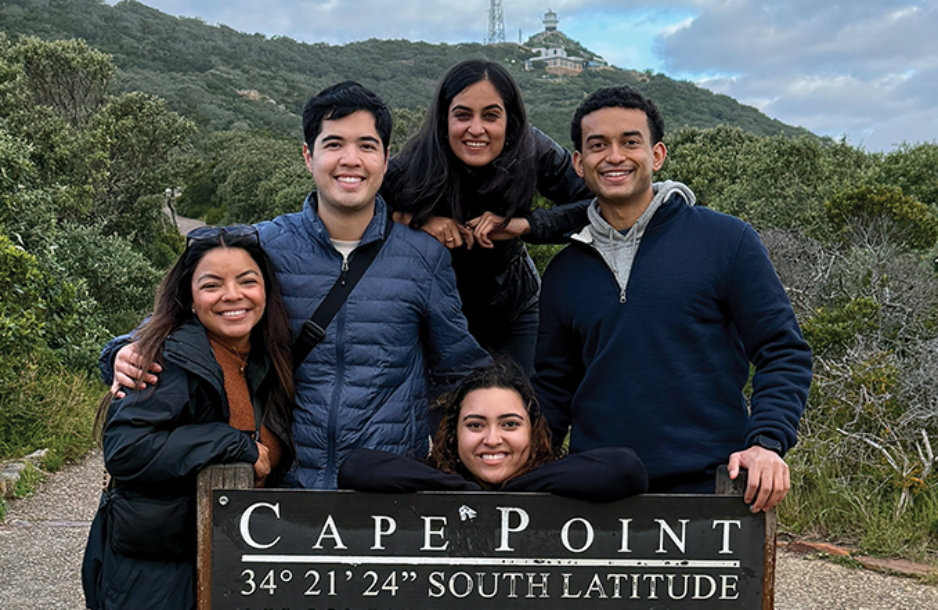




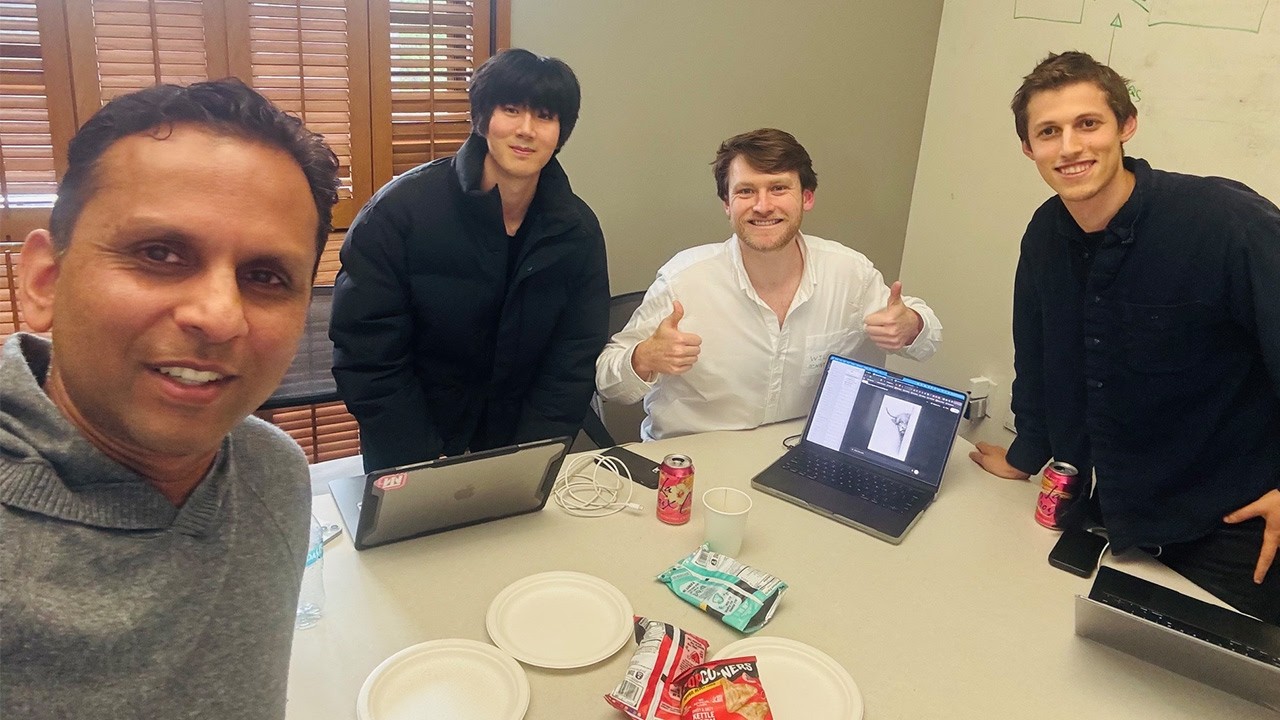
2026 LLM x Law Hackathon
The hackathon wasn’t just a competition; it was a glimpse into what becomes possible when the people who understand AI and the people who understand law are finally in the same room, building together.
Connect with Us



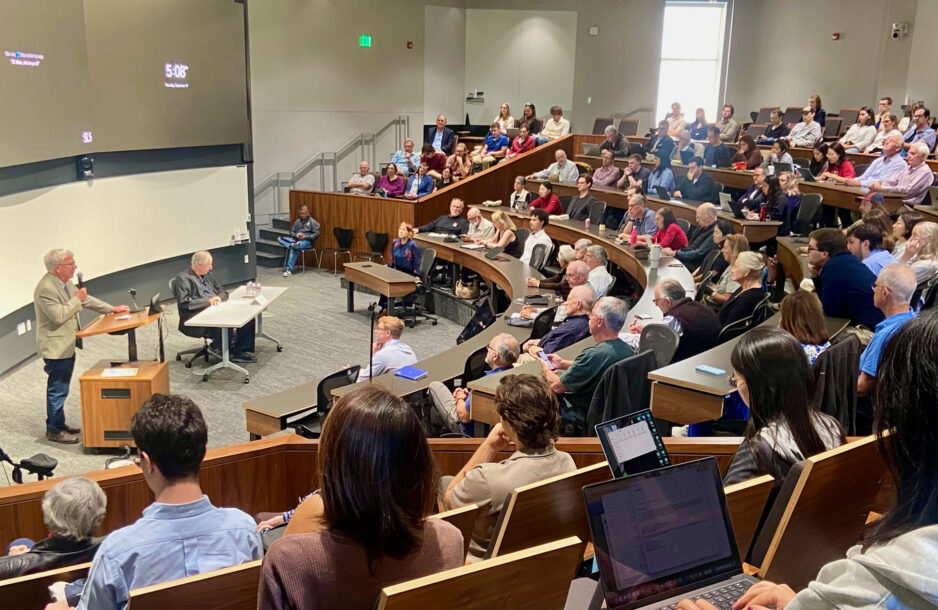
Professor Jack Balkin did not come to Stanford Law with an uplifting Constitution Day message.
In a wide-ranging—and, by his own account, decidedly sobering—lecture, the Yale Law professor argued that new technologies are reshaping constitutional power, weakening democratic Read moreinstitutions, and accelerating what he calls “constitutional rot.”
Read more about Balkin’s Constitution Day talk at Stanford Law:

The federal government increasingly relies on private companies to govern: Palantir for foreign intelligence, Amazon for cloud computing, Starlink for
brnw.ch
As the United States marks its 250th anniversary, Stanford Continuing Studies is bringing together scholars from across the university to take stock of American democracy.
Stanford Law’s Nate Persily, Pamela Karlan, and Jonathan Gienapp are among the featured faculty for “Reimagining Read moreDemocracy,” a free six-week series open to the public and hosted by Stanford Dean Debra Satz and Professor Larry Diamond.
Speakers will tackle federalism, elections, voting rights, money in politics, public service, and what the 2026 midterms may tell us about the state of American democracy.
Gienapp kicks off the series Oct. 7 with a look at federalism from 1776 to 2026. Persily joins the Oct. 28 conversation on voting rights and electoral reform, and Karlan takes part Nov. 4 in a post-midterm discussion of what the early results reveal about the electorate and democratic institutions.
Learn more and register here: https://brnw.ch/21x5Y0x

When can states change election rules, and who has the authority to do so? These questions are taking center stage in courtrooms across America as the 2026 elections unfold. Stanford Legal's latest episode tackles the complex legal landscape surrounding voting rights and election Read moreadministration.
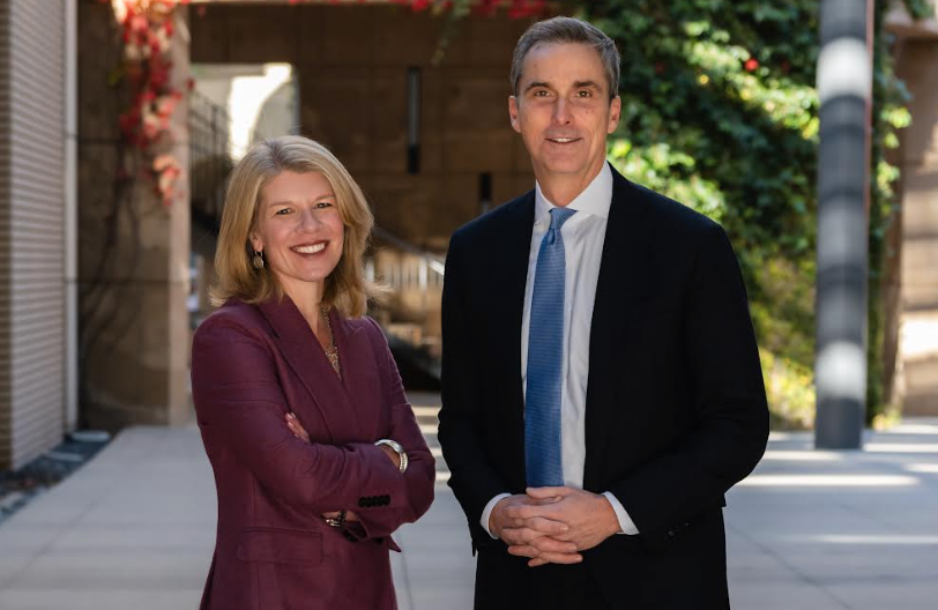
Professor Pam Karlan talks with Professor Nate Persily, JD '98, one of the nation's foremost election law scholars, for an in-depth discussion on redistricting battles, mail voting controversies, and the federal-state power struggle over election rules. From Missouri's mid-cycle redistricting plan to Postal Service policy changes affecting mail ballots, Persily provides expert analysis on how these disputes could shape American democracy.
Listen to the episode: https://law.stanford.edu/stanford-legal/u-s-elections-under-pressure-from-white-house/