
Experience Stanford Law
Research, Scholarship and News
With impact in everything from constitutional law and privacy rights to campaign finance reform and the environment, members of the Stanford Law School community shape law and policy through leading-edge research.





SLS Degree Programs


Join a diverse and inclusive community shaped by a commitment to the future.
Learn more : The JD Program
A hallmark of Stanford University and a distinct strength of Stanford Law, where students can explore the many ways law intersects with other fields.
Learn more : Joint Degree Programs
One-year master's degree programs and a doctoral degree (JSD) for international graduate students who have earned a law degree outside the United States.
Learn more : Advanced DegreesStanford Law Students Share Their Stories





By the Book
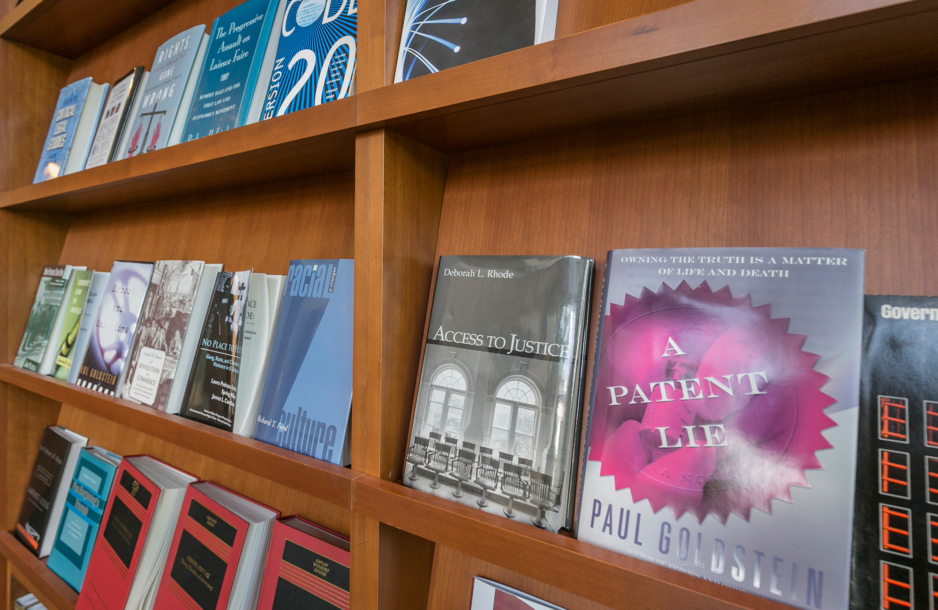
Stanford Law classmates turn a tedious publishing task into an AI-powered startup.

Connect with Us

As part of the recent Stanford Law School Alumni Reunions festivities on campus, Paul R. Williams, JD ’90, received Stanford University’s Award for the Advancement of the Common Good, while Leslie T. Hatamiya, JD ’97 (BA ’90), Shirin Sinnar, JD ’03, and Sunshine S. Sykes, JD ’01 (BA Read more’97), were inducted into the university’s CECL Alumni Hall of Fame.
Congratulations to these four outstanding alumni on their well-deserved recognition! Read more:

Stanford University’s recent Reunion Homecoming was a time to celebrate alumni whose contributions are making a difference on campus and around the
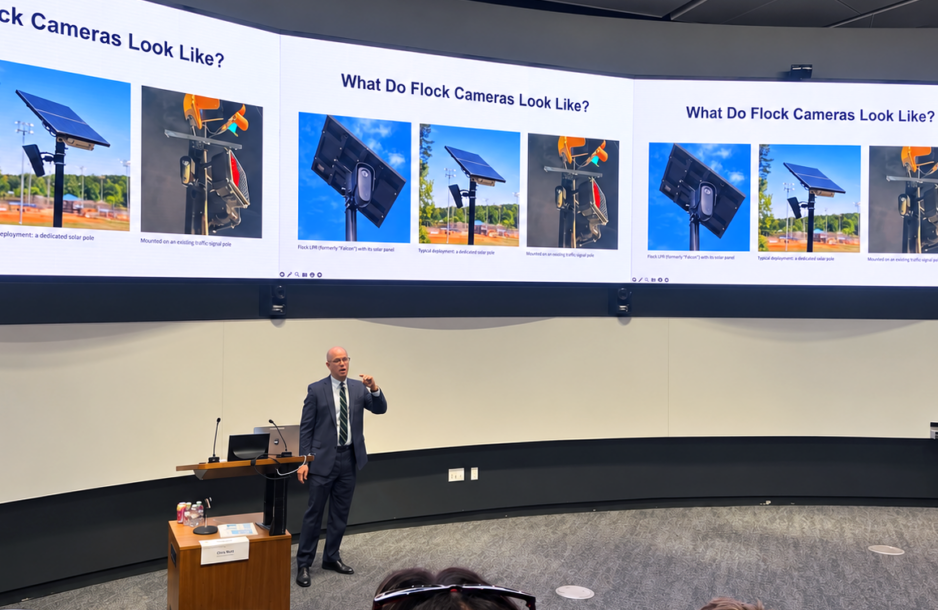
brnw.chIn his recent Lillick Chair Lecture, Professor Orin Kerr explored how emerging surveillance technologies like Flock cameras are testing constitutional doctrine. Finding a middle ground between broad police powers and expansive individual privacy rights is proving difficult, he said.
“YouRead more can craft a rule, but it's just an uncomfortable judicial rule,” Kerr said. He predicted that courts may end up “dividing sharply, running towards the extremes over time.”
Read more about his lecture and the evolving legal debate:

Orin Kerr, the Stella W. and Ira S. Lillick Professor of Law, recently marked his appointment to the endowed chair with a lecture at Stanford Law Scho
brnw.ch
The Stanford Law School experience extends long after graduation. Two best friends of 25 years share the value of the Stanford Law School Alumni community and their lasting friendship.



The Stanford Law School experience extends long after graduation. Two best friends of 25 years share the value of the Stanford Law Community and their lasting friendship.