

We Are Stanford Law
Research, Scholarship and News
With impact in everything from constitutional law and privacy rights to campaign finance reform and the environment, members of the Stanford Law School community shape law and policy through leading-edge research.
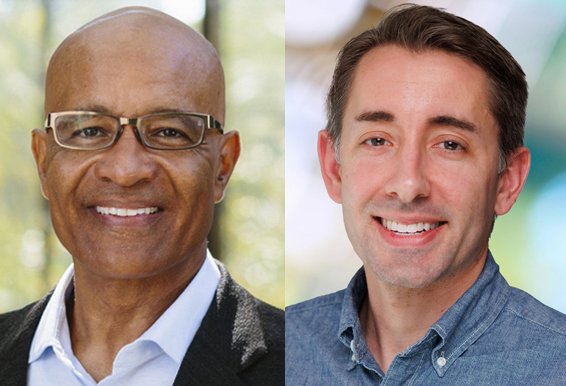
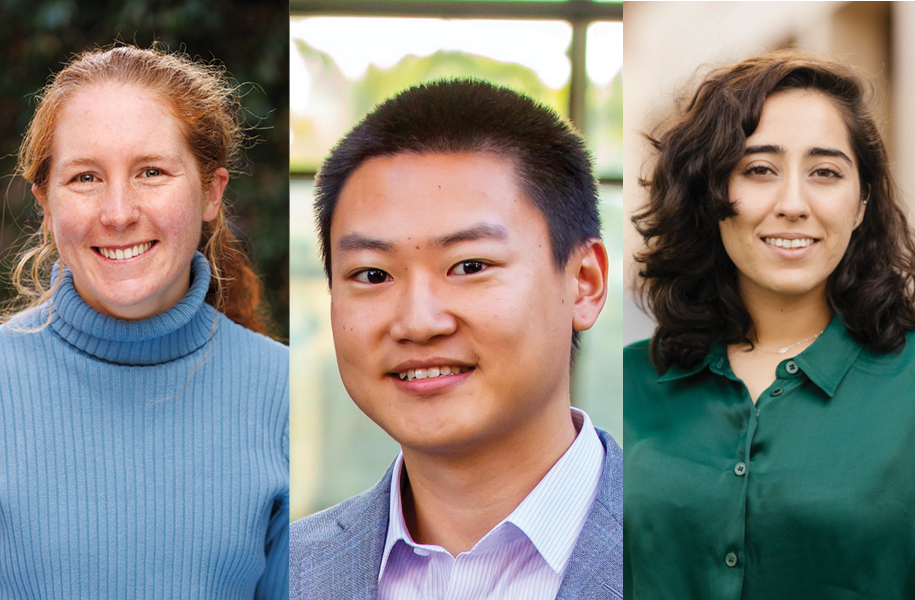
SLS Degree Programs


Join a diverse and inclusive community shaped by a commitment to the future.
Learn more : The JD Program
A hallmark of Stanford University and a distinct strength of Stanford Law, where students can explore the many ways law intersects with other fields.
Learn more : Joint Degree Programs
One-year master's degree programs and a doctoral degree (JSD) for international graduate students who have earned a law degree outside the United States.
Learn more : Advanced Degrees


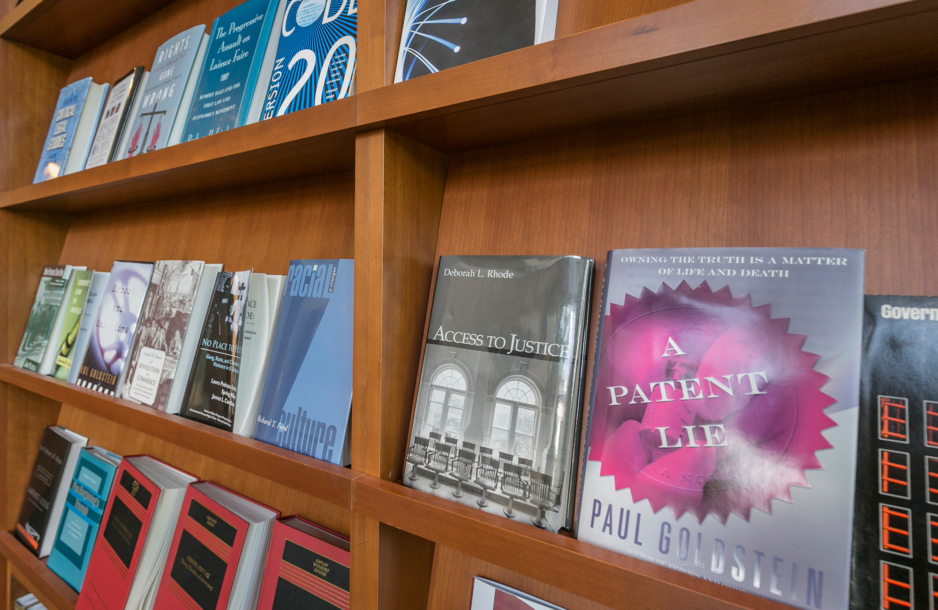
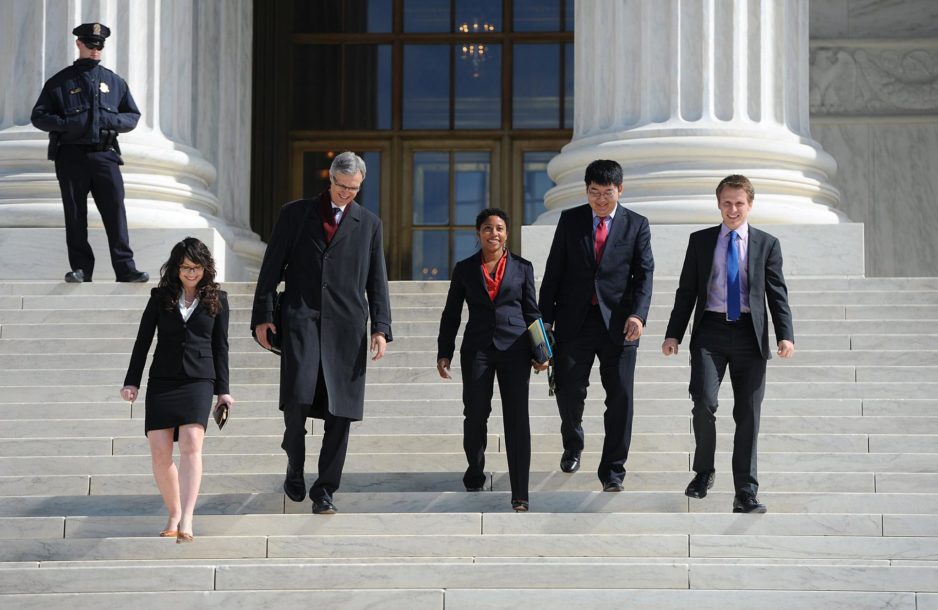

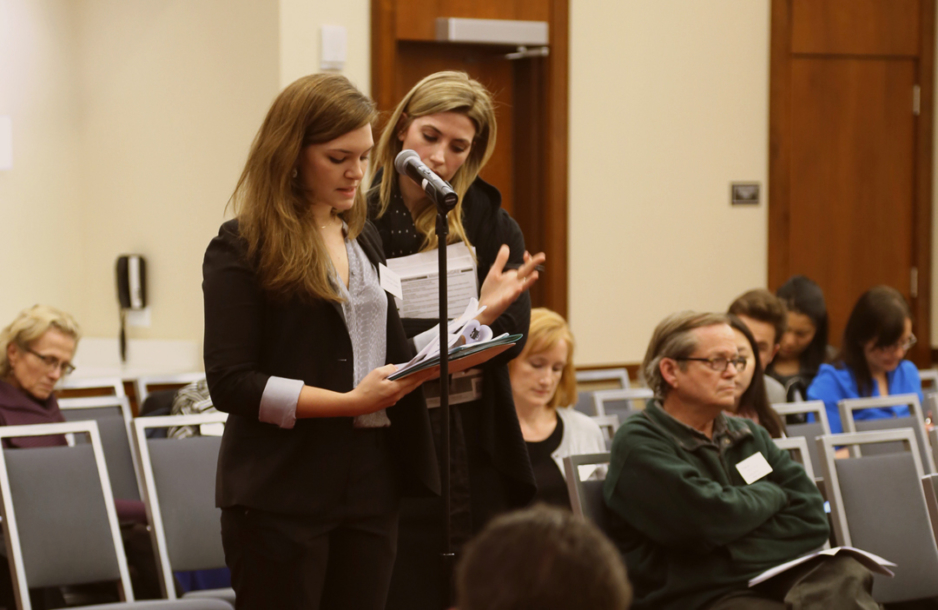
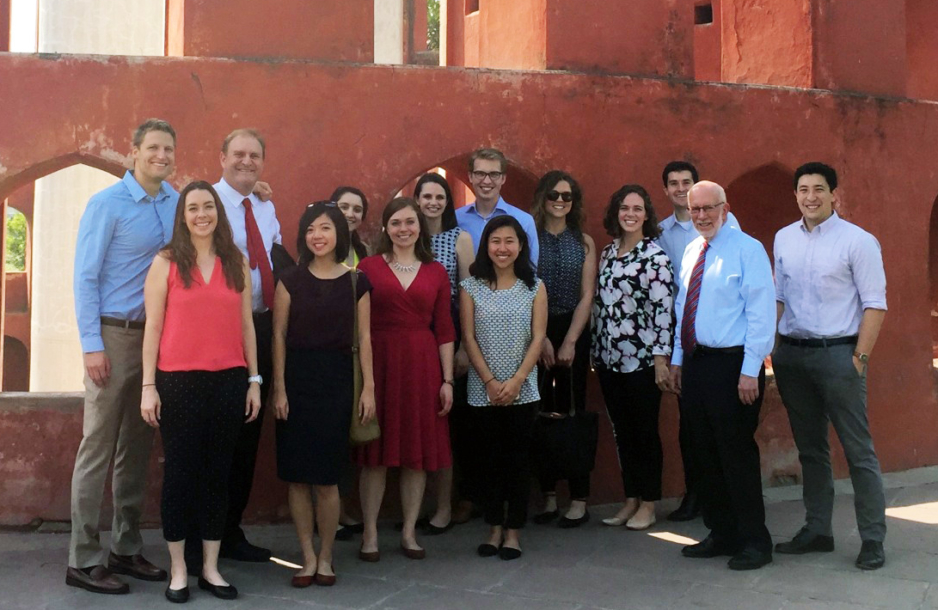
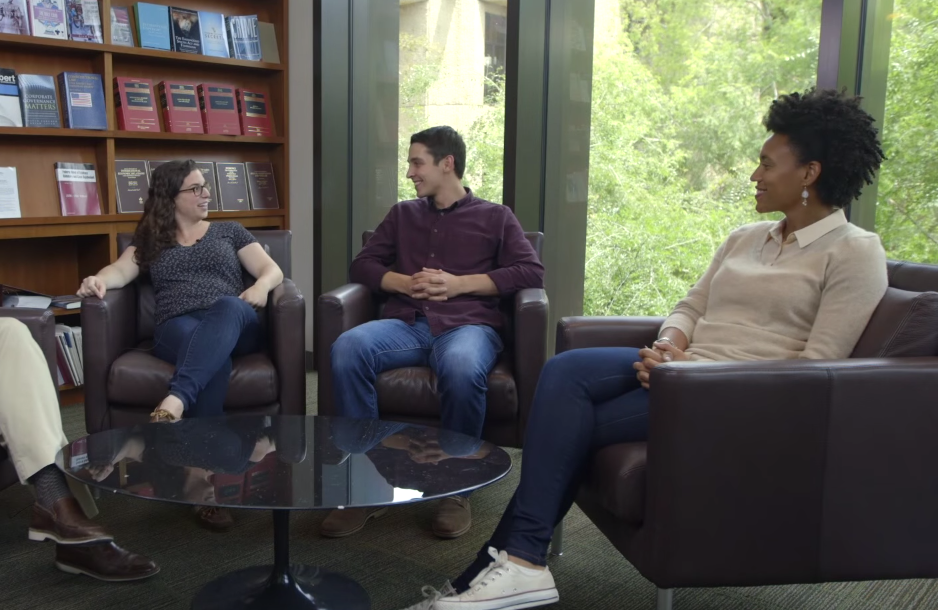
Stanford Comparative American/German Criminal Law Seminar
Field study offers insights, collaboration, lifelong lessons—and friendships.

Connect with Us



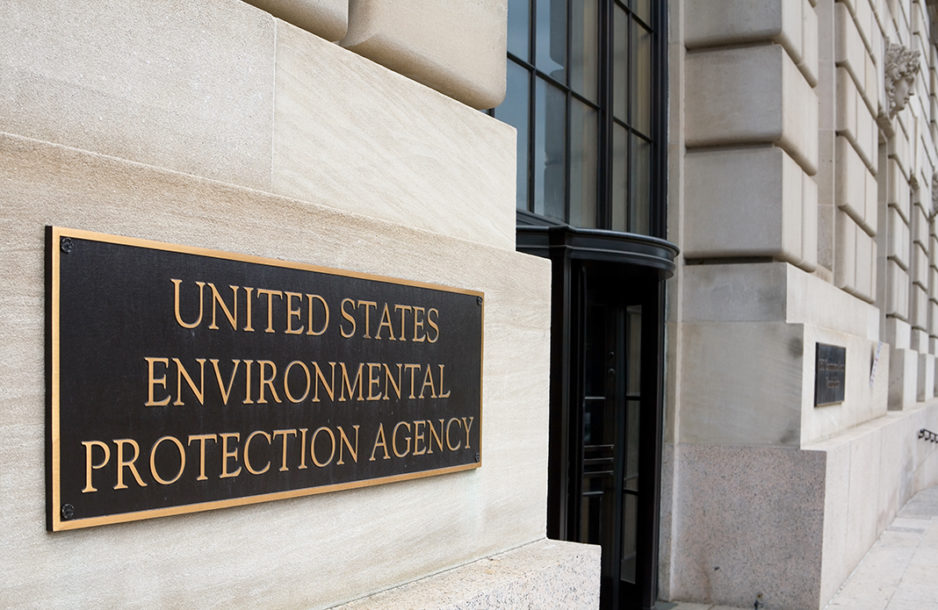
The Trump administration has announced plans to repeal the EPA’s 2009 "Endangerment Finding" under the Clean Air Act, a landmark determination that has served as the legal foundation for federal regulation of greenhouse gas emissions.
In a new Q&A, Stanford Law School ...Professor of the Practice David J. Hayes, a former Biden White House climate policy adviser, explains what the Endangerment Finding is and what its repeal could mean for U.S. climate regulation.
Read more: https://brnw.ch/21wZW9n

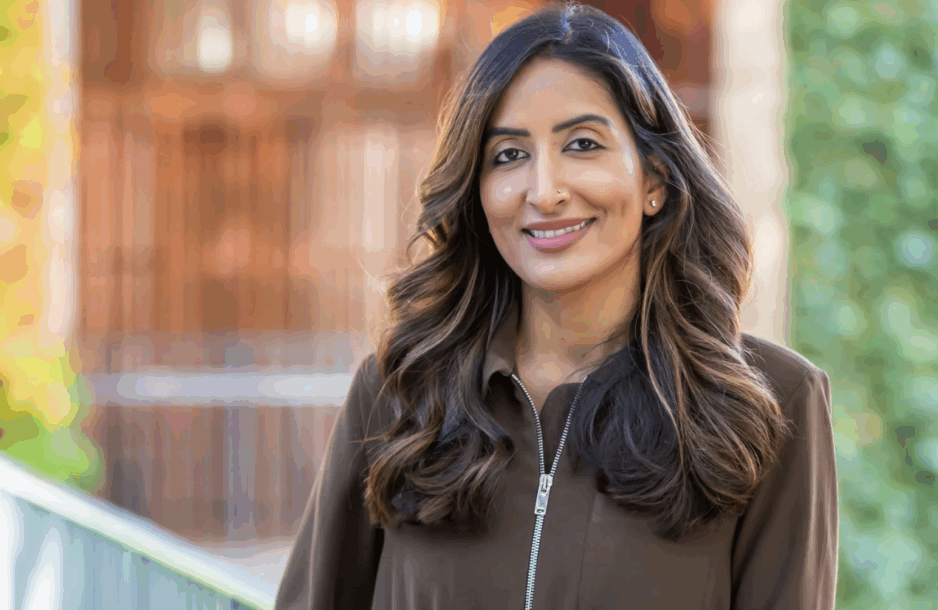
Congratulations to Shafaq Khan, who has been named the new executive director of the John and Terry Levin Center for Public Service and Public Interest Law.
A longtime public interest lawyer and advocate for underserved communities, Shafaq has been a key part of the Levin Center team since... 2019, most recently as director of career development.
In her new role, she’ll oversee the Levin Center’s fellowships, programming, and community-building, with a focus on expanding partnerships and strengthening training and support for students committed to public service.
Great news for Stanford Law School and the Levin Center!
https://brnw.ch/21wZVrH
How do police use-of-force policies compare across U.S. cities?
Until now, that question has been surprisingly difficult to answer. Policies are often buried in lengthy department manuals, written inconsistently, and hard for the public (or policymakers) to evaluate side by side.
...A new initiative from the Stanford Center for Racial Justice is changing that.
The Center has launched a first-of-its-kind searchable database: the Use of Force Policy Explorer, designed to make police use-of-force rules accessible and far more transparent.
The database is built on what is believed to be the largest empirical study of police use-of-force regulations to date.
Read the full story: https://brnw.ch/21wZTkC
Explore the database: https://brnw.ch/21wZTkB

Let’s raise the standard. Learn about smarter use of force policies for safer communities, and explore policies in departments across America.
brnw.ch
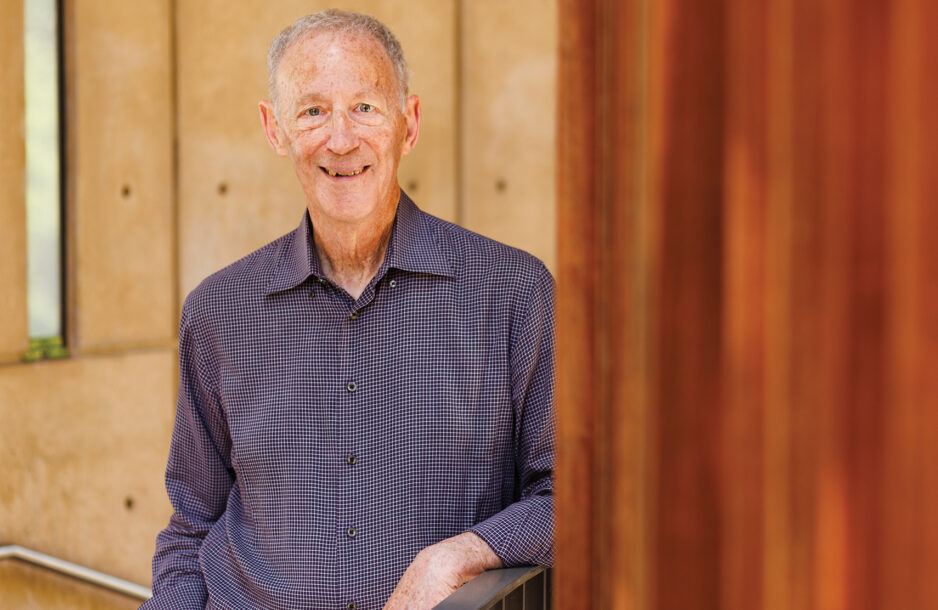
In the latest episode of Stanford Legal, Professor Robert MacCoun explores why intellectual certainty can be a trap, and why “I might be wrong” is often the beginning of better thinking.
Drawing on his book Third Millennium Thinking: Creating Sense in a World of Nonsense, co-written ...with Nobel Prize–winning physicist Saul Perlmutter and philosopher John Campbell, MacCoun explains why intellectual humility and scientific “habits of mind” like probabilistic thinking and can help people navigate uncertainty and make better decisions. Listen to the thought-provoking conversation with Stanford Legal co-hosts professors Pam Karlan and Diego Zambrano.
https://brnw.ch/21wZR4r