
Legal Education for Tomorrow’s World
Research, Scholarship and News
With impact in everything from constitutional law and privacy rights to campaign finance reform and the environment, members of the Stanford Law School community shape law and policy through leading-edge research.


SLS Degree Programs
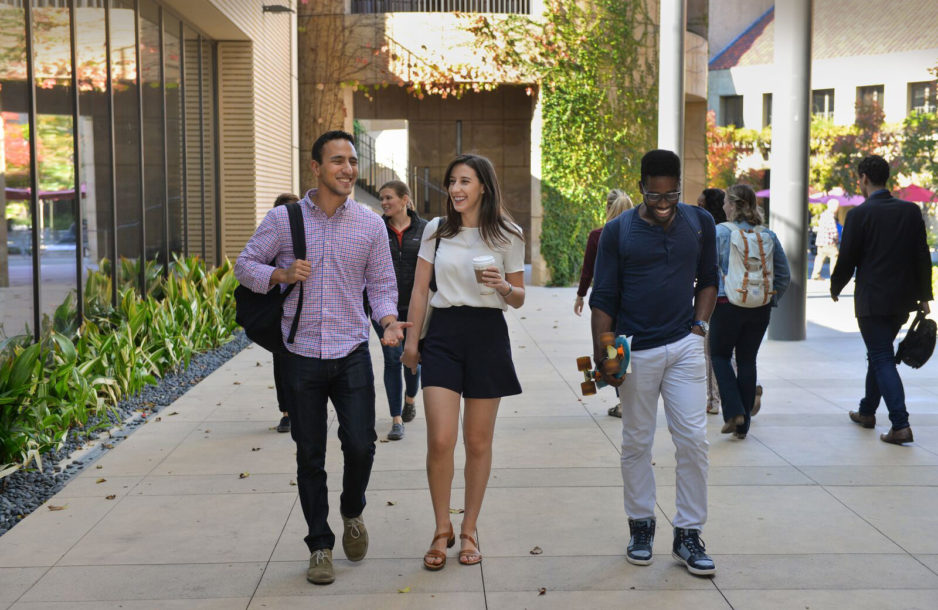

Join a diverse and inclusive community shaped by a commitment to the future.
Learn more : The JD Program
A hallmark of Stanford University and a distinct strength of Stanford Law, where students can explore the many ways law intersects with other fields.
Learn more : Joint Degree Programs
One-year master's degree programs and a doctoral degree (JSD) for international graduate students who have earned a law degree outside the United States.
Learn more : Advanced DegreesStanford Law Students Share Their Stories

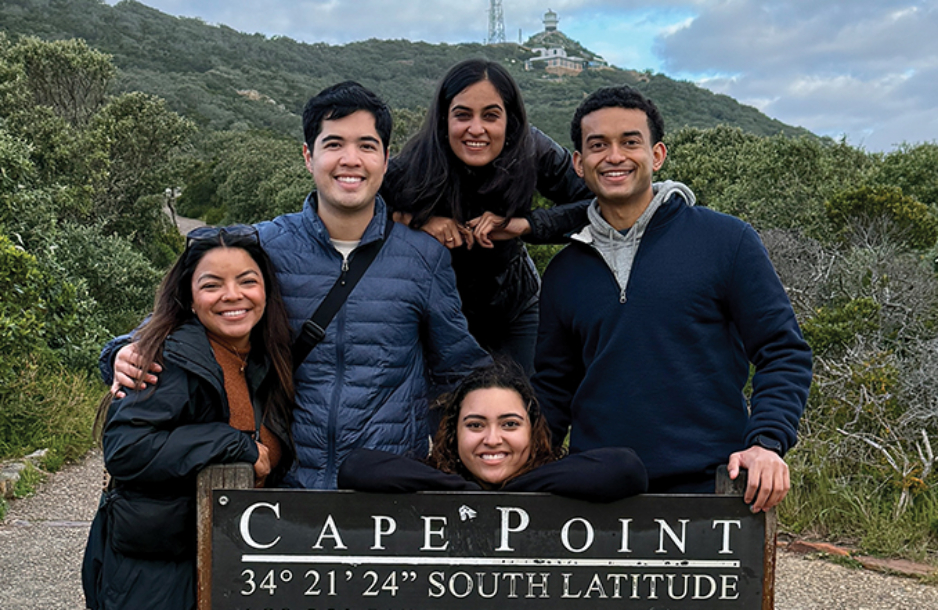

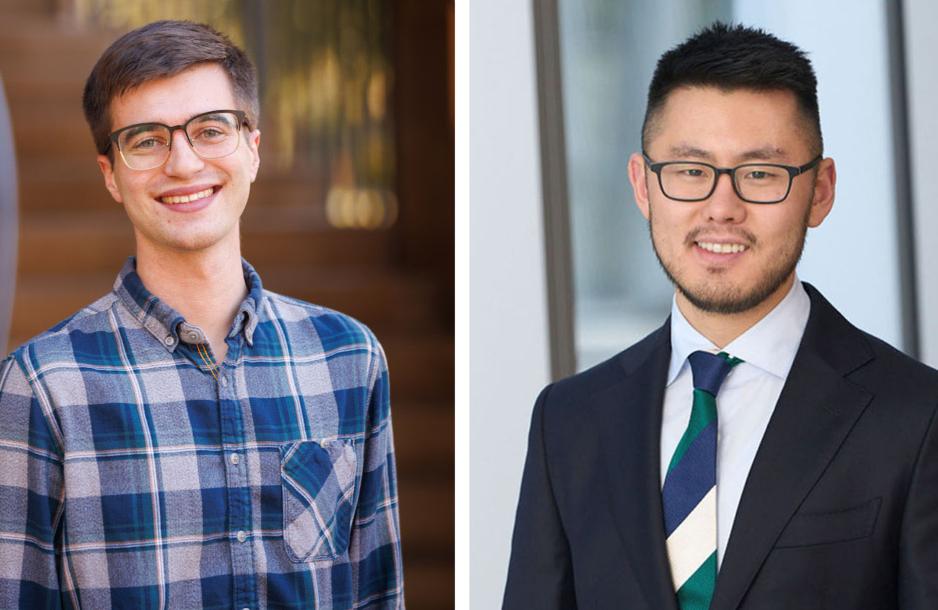
Can AI Think Like Your Best Partner? | Stanford Law liftlab x Vorys
Can AI think like your best partner? Stanford Law School’s liftlab and the law firm Vorys are teaming up to find out.

Connect with Us




Last week, just before the rain rolled in, a Stanford student set up an easel in our courtyard to paint the fall colors at their peak. 🍂🍁🎨🖼️

Permitting reform and clean energy development are urgent priorities. But Deborah Sivas argues that reform should not come at the expense of transparency, accountability and community input.
In her latest post, Sivas assesses the proposed Bipartisan American Affordability and Jobs Act and Read morewarns that its judicial-review provisions could remove incentives for agencies and developers to conduct adequate environmental analysis before projects are approved.
She makes the case for a better path: Developers that engage communities in good faith, disclose project impacts and work to minimize harms may be more likely to build projects quickly — and sustainably.
Read the full post: https://law.stanford.edu/2026/11/13/congress-rushes-to-end-public-participation-and-community-input/

What happens when states treat one another as political rivals rather than partners in one nation?
On Nov. 18, the Stanford Constitutional Law Center will host “Interstate Intolerance,” a talk with professors Katherine Mims Crocker and Charles W. Tyler examining how states increasinglyRead more seek to punish one another for their political choices.
The speakers will explore the forces driving these conflicts, their consequences for the union and three proposed principles for managing interstate relations: congressional leadership, territorial limits on state power and mutual obligations among states.
Nov. 18 | 5-6 p.m. PST
RSVP: https://law.stanford.edu/event/interstate-intolerance/