
Experience Stanford Law
Research, Scholarship and News
With impact in everything from constitutional law and privacy rights to campaign finance reform and the environment, members of the Stanford Law School community shape law and policy through leading-edge research.
SLS Degree Programs
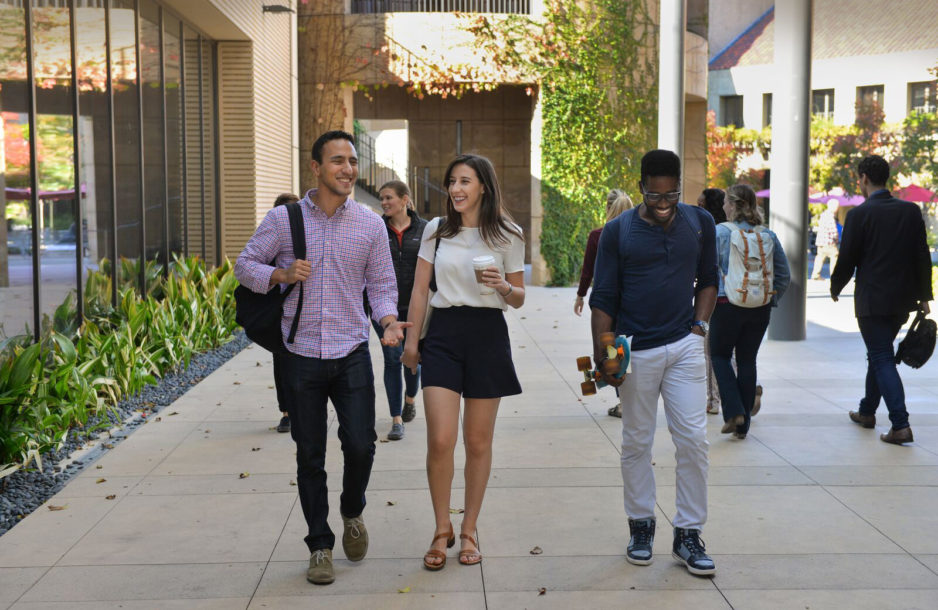
Join a diverse and inclusive community shaped by a commitment to the future.
Learn more : The JD Program
A hallmark of Stanford University and a distinct strength of Stanford Law, where students can explore the many ways law intersects with other fields.
Learn more : Joint Degree Programs
One-year master's degree programs and a doctoral degree (JSD) for international graduate students who have earned a law degree outside the United States.
Learn more : Advanced DegreesStanford Law Students Share Their Stories

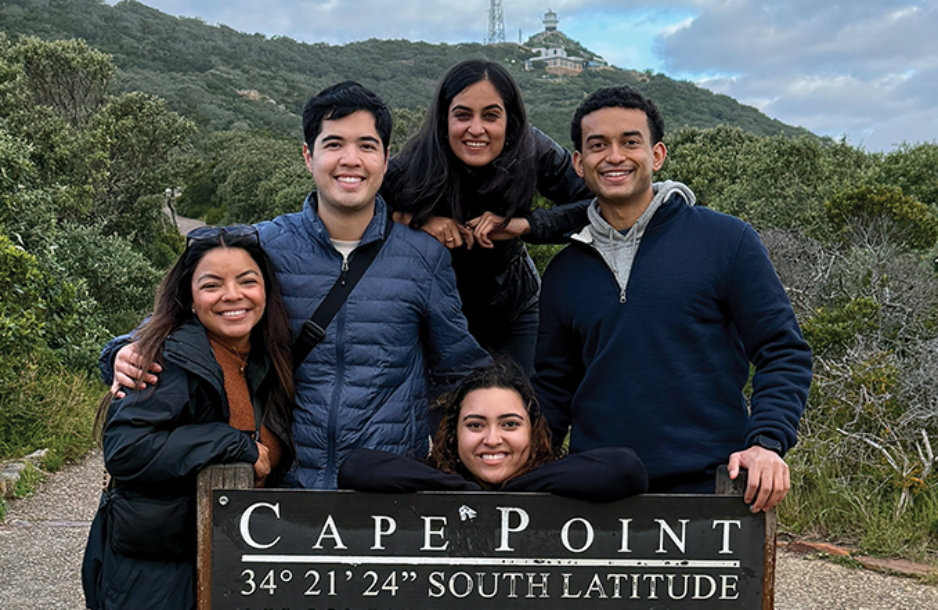

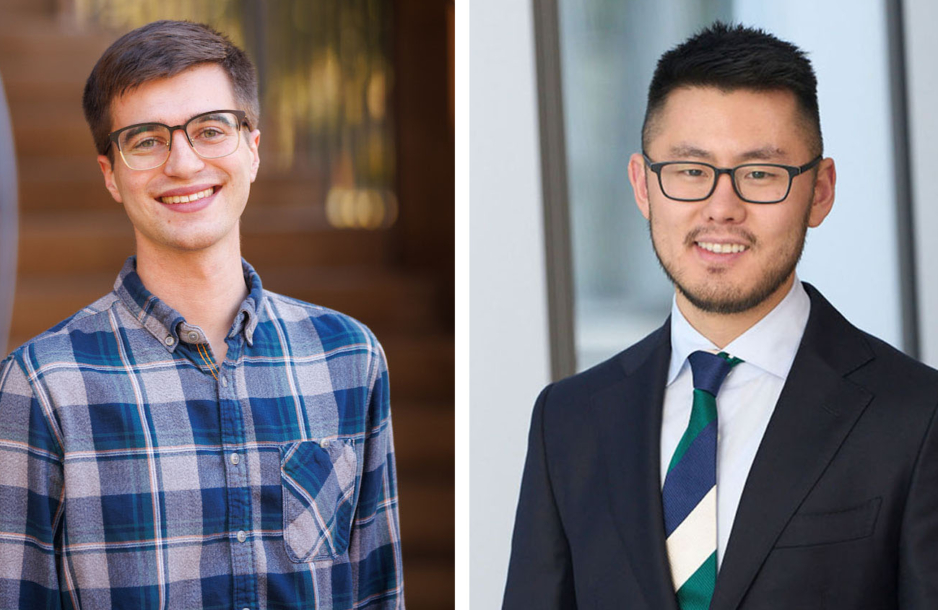
By the Book
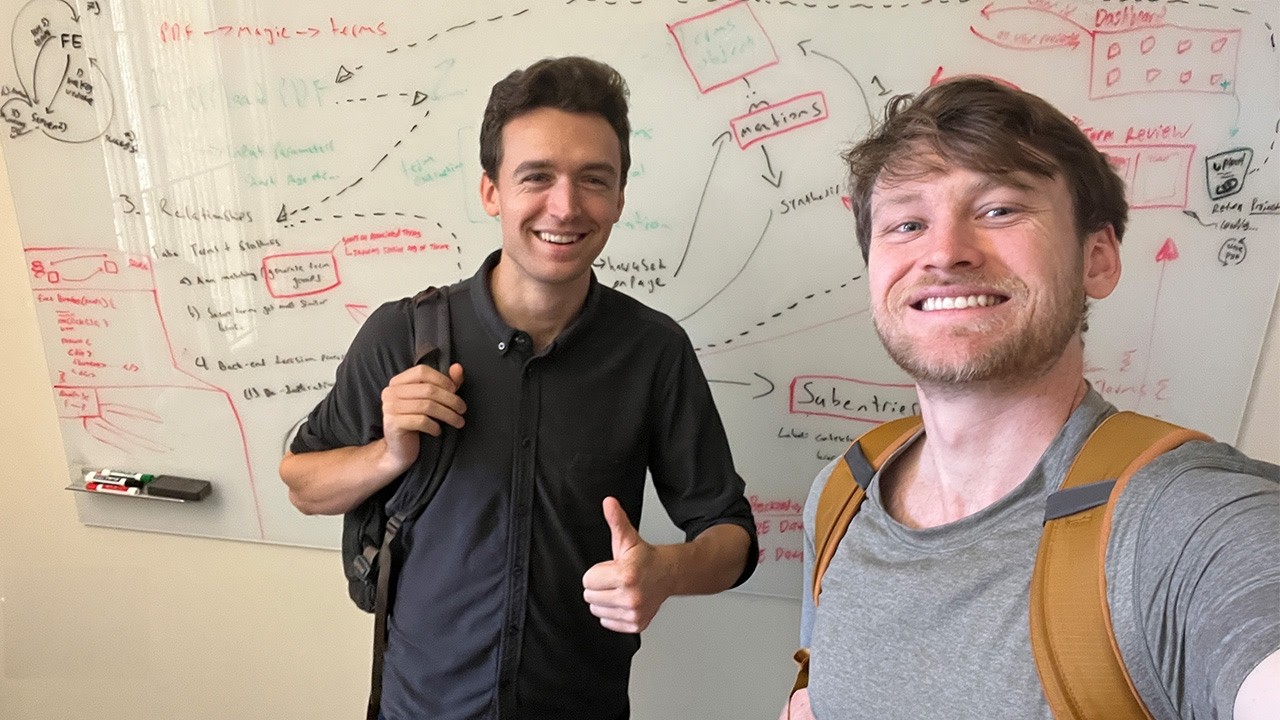
Stanford Law classmates turn a tedious publishing task into an AI-powered startup.
Connect with Us



What does racial justice work look like for law students? At the Stanford Center for Racial Justice open house, students connected with peers, alumni and faculty members to find out.
The evening gave attendees an opportunity to learn about SCRJ’s internships, fellowships and policy labs Read more— and to discuss the issues that matter most to them. Students proposed research and policy solutions addressing racial coalition-building, algorithmic bias in the criminal legal system, prison accountability, educational equity and disability access.
“Students seem to be aware that our nation is at an inflection point, in which race figures centrally,” said Professor Ralph Richard Banks, SCRJ founder and faculty director. “It is heartening to see so much interest in maintaining and bolstering the health of our democracy.”
Read more: https://brnw.ch/21x6BgU

Stanford Law School leaders helped drive discussions on some of AI’s most pressing legal and societal challenges at the recent 2026 Marshall Forum on Artificial Intelligence, held over two days at the law school.
The public gathering brought together leading voices from law, technology, Read morebusiness, journalism, and government.
Dean George Triantis and professors Nate Persily and Julian Nyarko joined a panel on AI Research and the Legal Profession, exploring the intersection of emerging technologies, legal scholarship, and practice. Professor David Freeman Engstrom and liftlab Executive Director Megan Ma participated in a panel on AI for Legal Services: New Models of Value and Delivery.
Thank you to the Association of Marshall Scholars, our speakers, and everyone who joined us for these important conversations.
As part of the recent Stanford Law School Alumni Reunions festivities on campus, Paul R. Williams, JD ’90, received Stanford University’s Award for the Advancement of the Common Good, while Leslie T. Hatamiya, JD ’97 (BA ’90), Shirin Sinnar, JD ’03, and Sunshine S. Sykes, JD ’01 (BA Read more’97), were inducted into the university’s CECL Alumni Hall of Fame.
Congratulations to these four outstanding alumni on their well-deserved recognition! Read more:

Stanford University’s recent Reunion Homecoming was a time to celebrate alumni whose contributions are making a difference on campus and around the
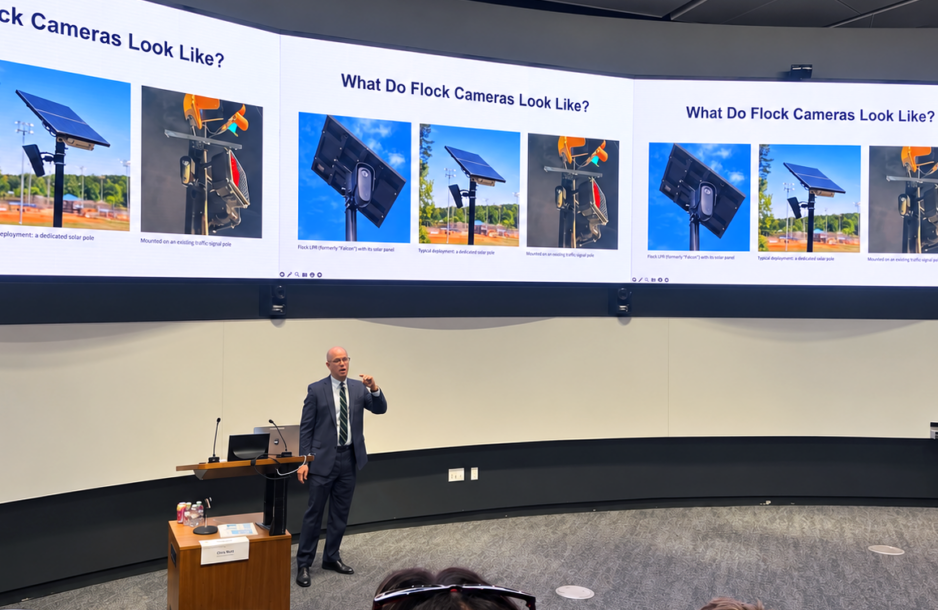
brnw.chIn his recent Lillick Chair Lecture, Professor Orin Kerr explored how emerging surveillance technologies like Flock cameras are testing constitutional doctrine. Finding a middle ground between broad police powers and expansive individual privacy rights is proving difficult, he said.
“YouRead more can craft a rule, but it's just an uncomfortable judicial rule,” Kerr said. He predicted that courts may end up “dividing sharply, running towards the extremes over time.”
Read more about his lecture and the evolving legal debate:

Orin Kerr, the Stella W. and Ira S. Lillick Professor of Law, recently marked his appointment to the endowed chair with a lecture at Stanford Law Scho
brnw.ch