
Congratulations Class of 2026
Research, Scholarship and News
With impact in everything from constitutional law and privacy rights to campaign finance reform and the environment, members of the Stanford Law School community shape law and policy through leading-edge research.

SLS Degree Programs
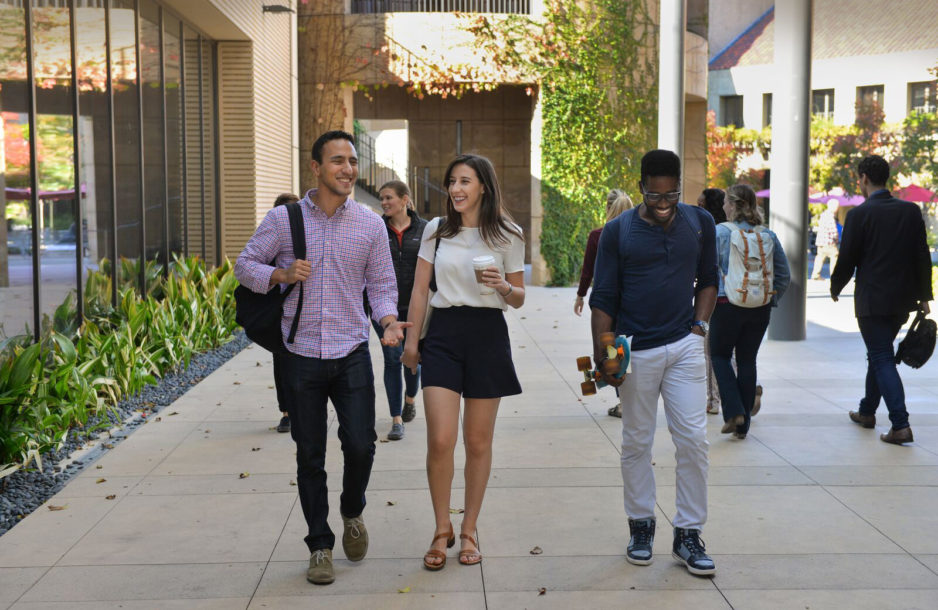

Join a diverse and inclusive community shaped by a commitment to the future.
Learn more : The JD Program
A hallmark of Stanford University and a distinct strength of Stanford Law, where students can explore the many ways law intersects with other fields.
Learn more : Joint Degree Programs
One-year master's degree programs and a doctoral degree (JSD) for international graduate students who have earned a law degree outside the United States.
Learn more : Advanced DegreesStanford Law Students Share Their Stories
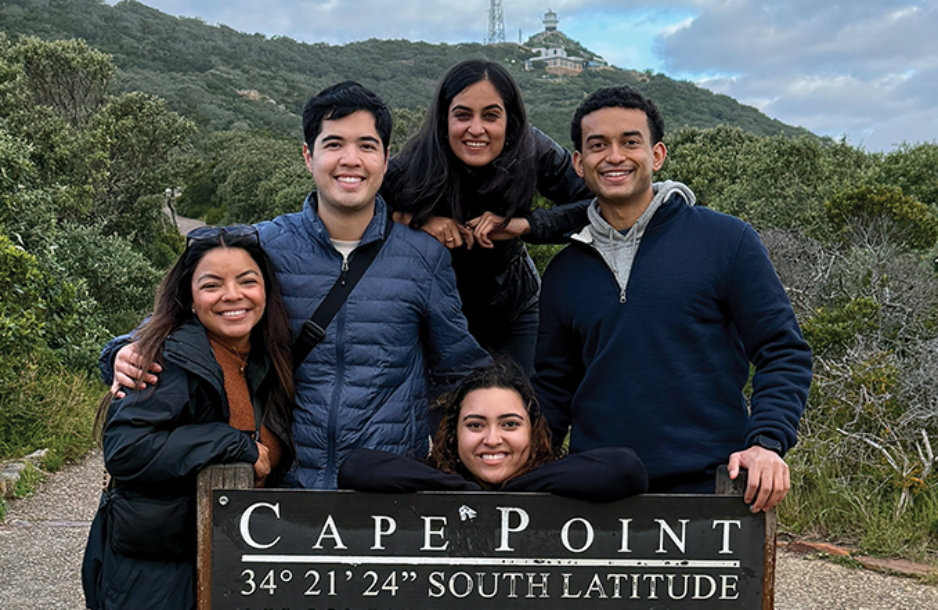

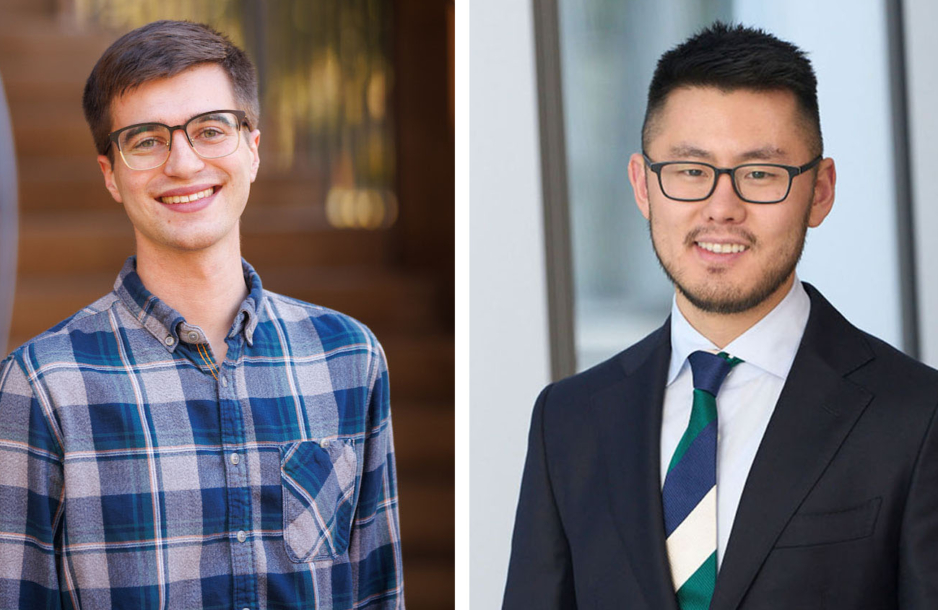
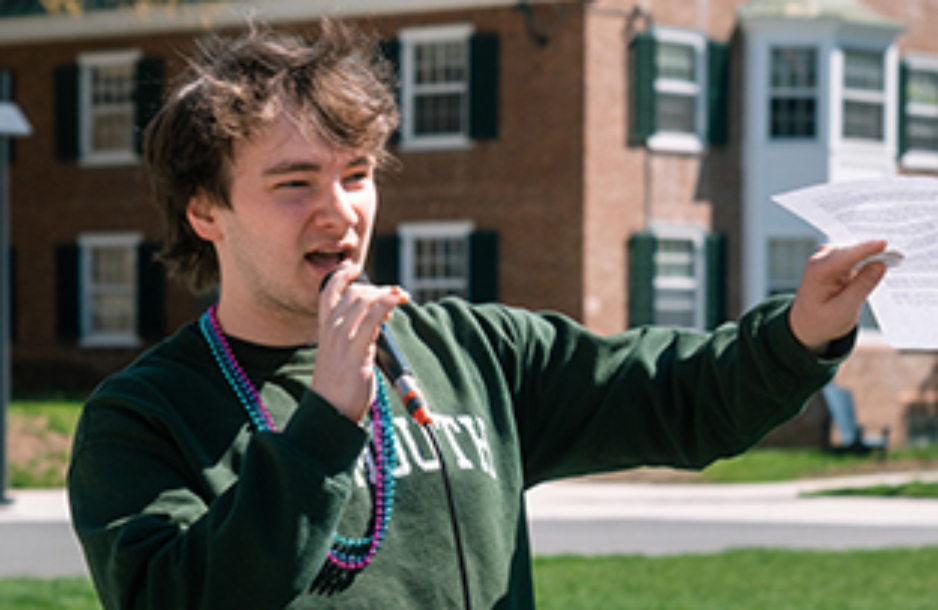



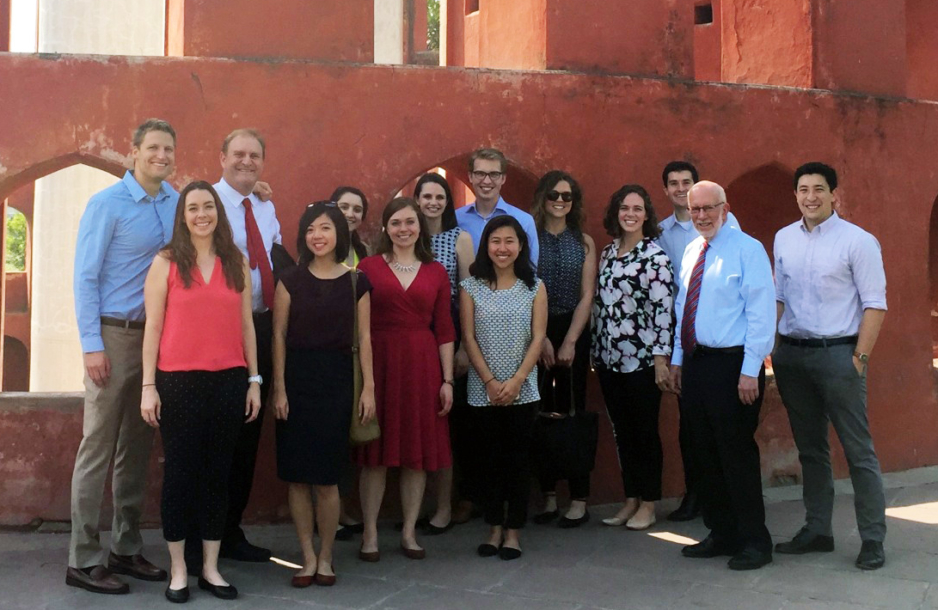
Stanford Center for Racial Justice | Bremond Fellows 2025-2026 Cohort

Connect with Us


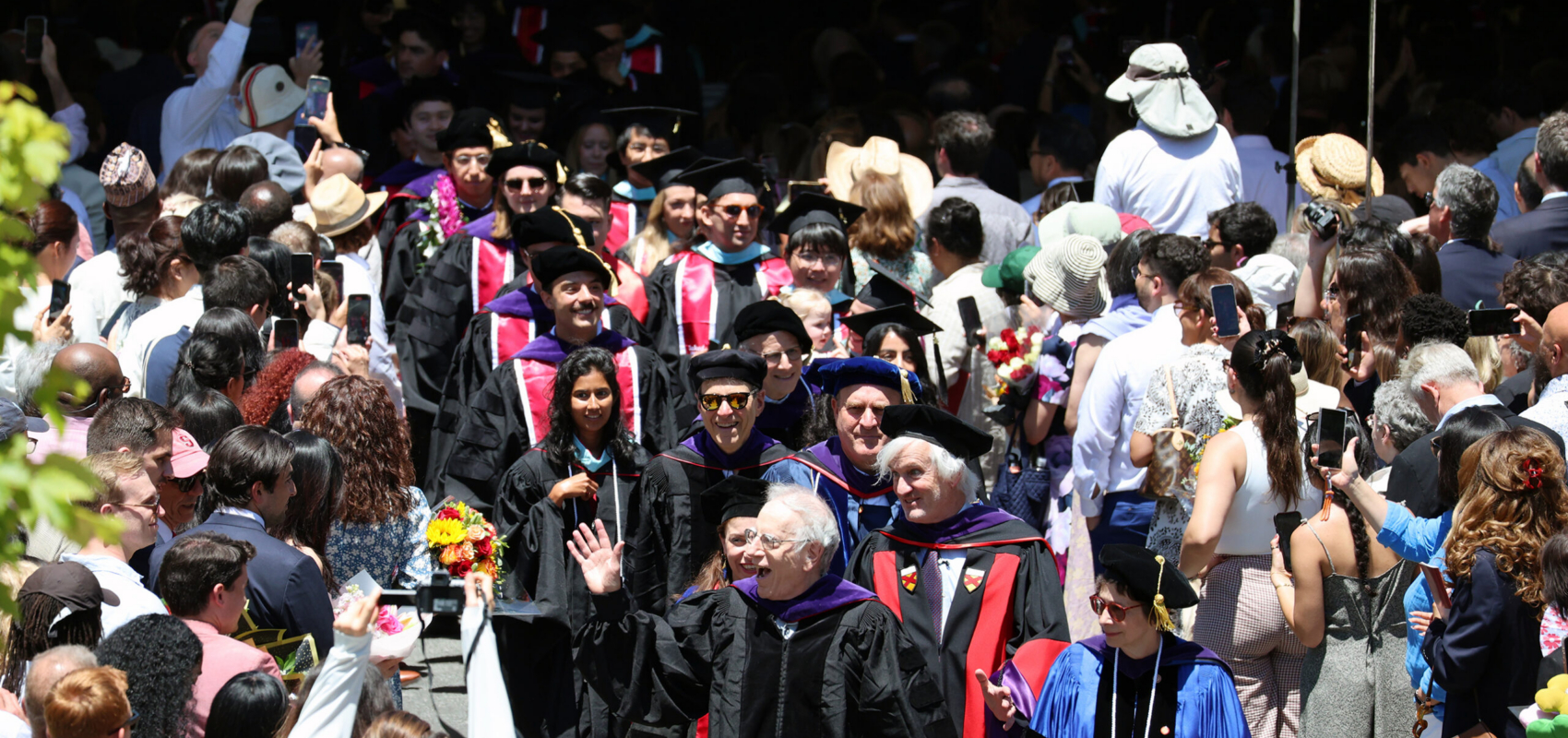
For Stanford Law’s Class of 2026, a commencement message of community and purpose.
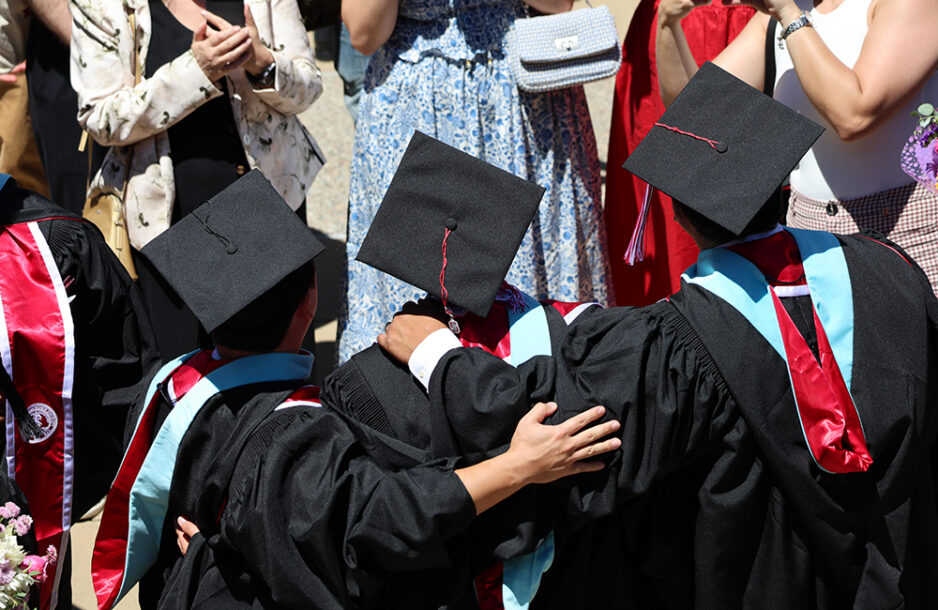
The 2026 commencement ceremony at Stanford Law School was a celebration of 259 graduates and of the communities that carried them to the day. As the Class of 2026 gathered on June 13 beneath the large ...white tent in front of Canfield Courtyard, speakers looked ahead to the graduates’ next chapters while returning often to family, friendship, gratitude, professional responsibility, and the enduring importance of community.
Read the full article: https://brnw.ch/21x3ukw



Meet Kaori! Recently graduating from Stanford Law School with a Master of Laws (LL.M.) in International Economic Law, Business, and Policy, Kaori currently serves as a government official in Japan and will begin her Master of Public Policy at NYU this fall. Hear about her journey, career ...aspirations, and experiences as an international student.

In 1895, Wong Kim Ark returned by steamship to San Francisco, the city where he was born, and was denied entry. The Supreme Court case that followed shaped the constitutional meaning of birthright citizenship.
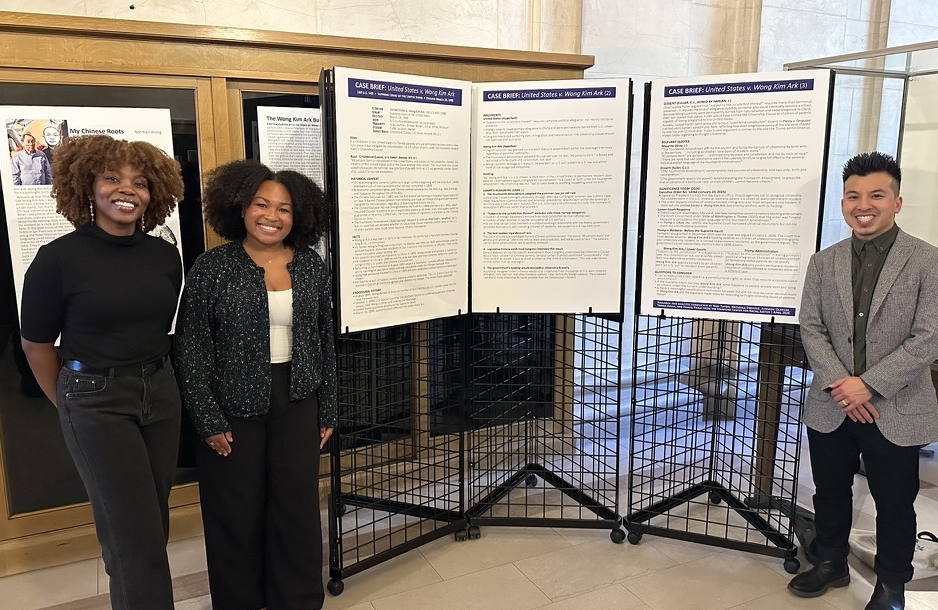
With birthright citizenship again before the Supreme Court, Stanford Center for ...Racial Justice students recently helped bring Wong's story to life through a San Francisco public-history project joining law, art, and community memory.
Working with Hoang Pham, director of education and opportunity at the center, Stanford Law students Nini Tufon, Nkemjika Emenike, Ayomide Oloyede, and Tarina Ahuja created a public-facing case study to accompany sculptor Alicia N. Ponzio’s bronze bust of Wong Kim Ark. At an event in San Francisco, Tufon and Emenike also moderated a conversation with Wong's great-grandchildren.
Read more: https://brnw.ch/21x3sl8
