
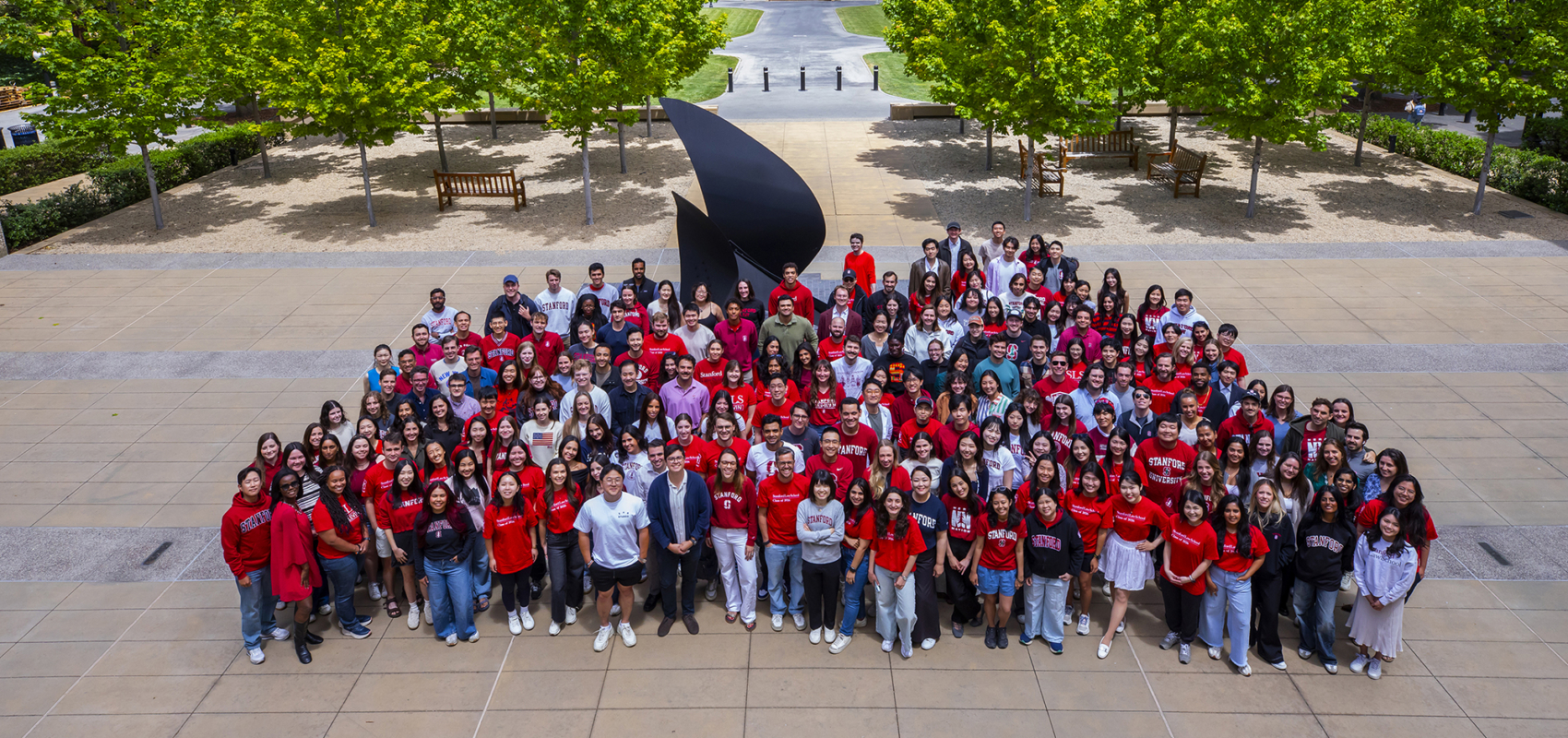
Ready for Takeoff
Research, Scholarship and News
With impact in everything from constitutional law and privacy rights to campaign finance reform and the environment, members of the Stanford Law School community shape law and policy through leading-edge research.

SLS Degree Programs
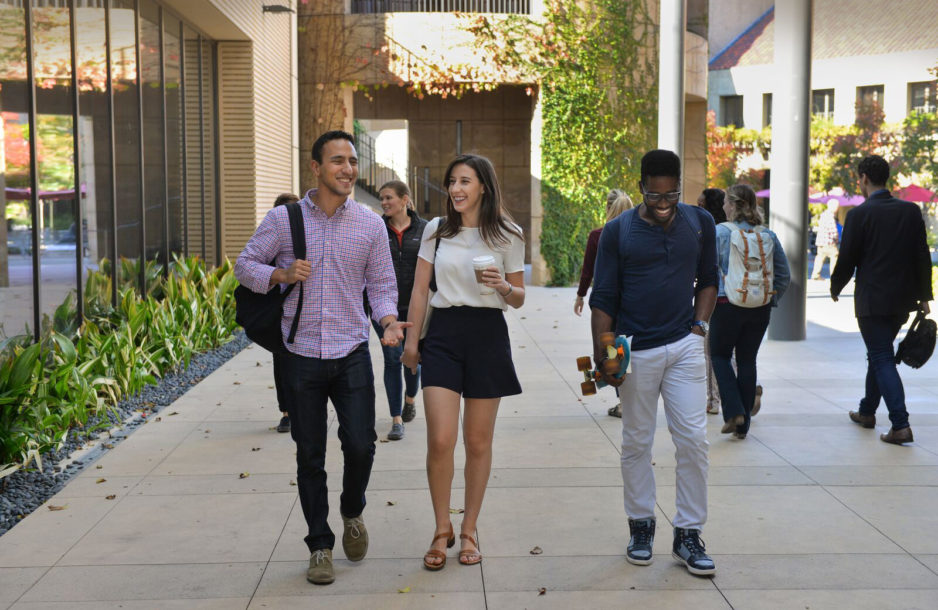

Join a diverse and inclusive community shaped by a commitment to the future.
Learn more : The JD Program
A hallmark of Stanford University and a distinct strength of Stanford Law, where students can explore the many ways law intersects with other fields.
Learn more : Joint Degree Programs
One-year master's degree programs and a doctoral degree (JSD) for international graduate students who have earned a law degree outside the United States.
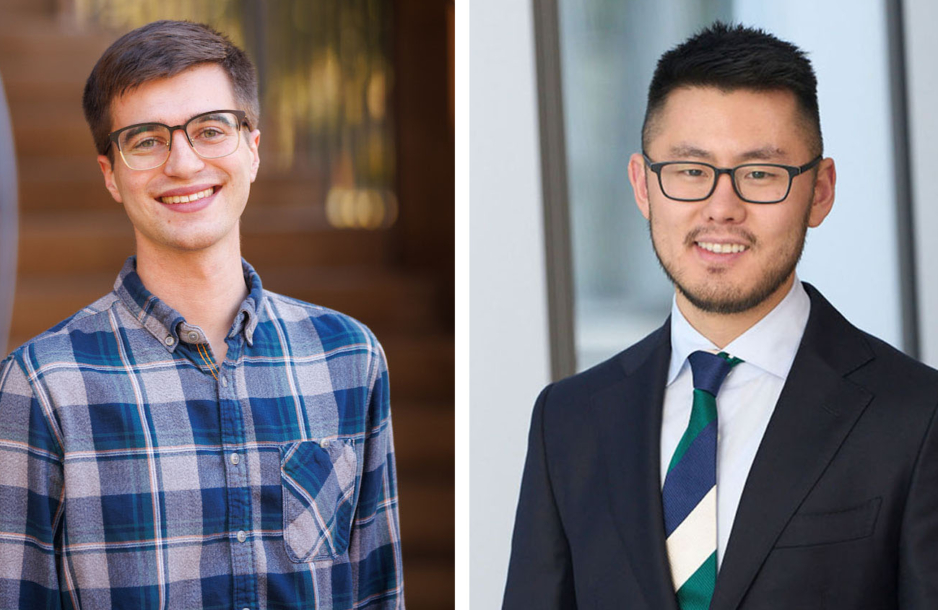
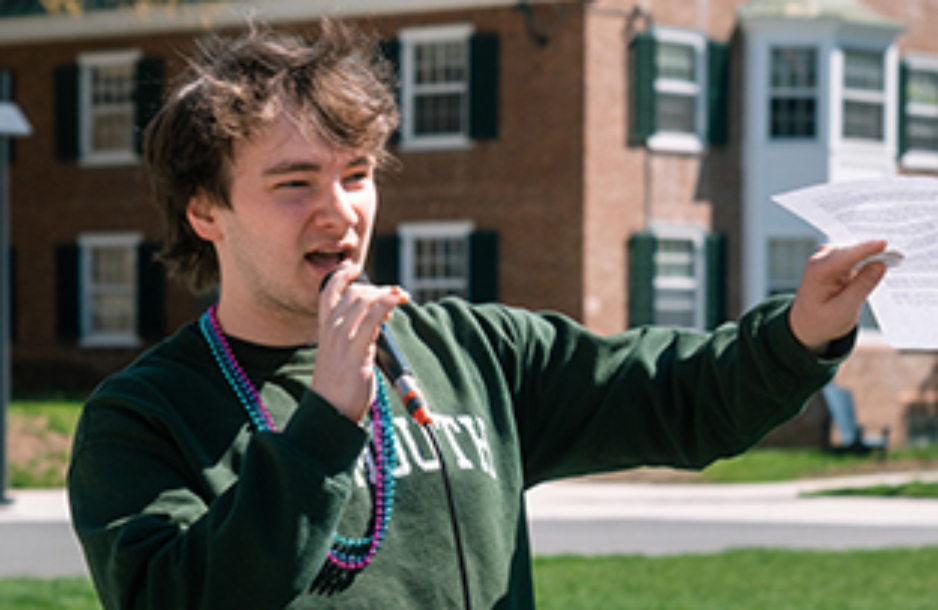
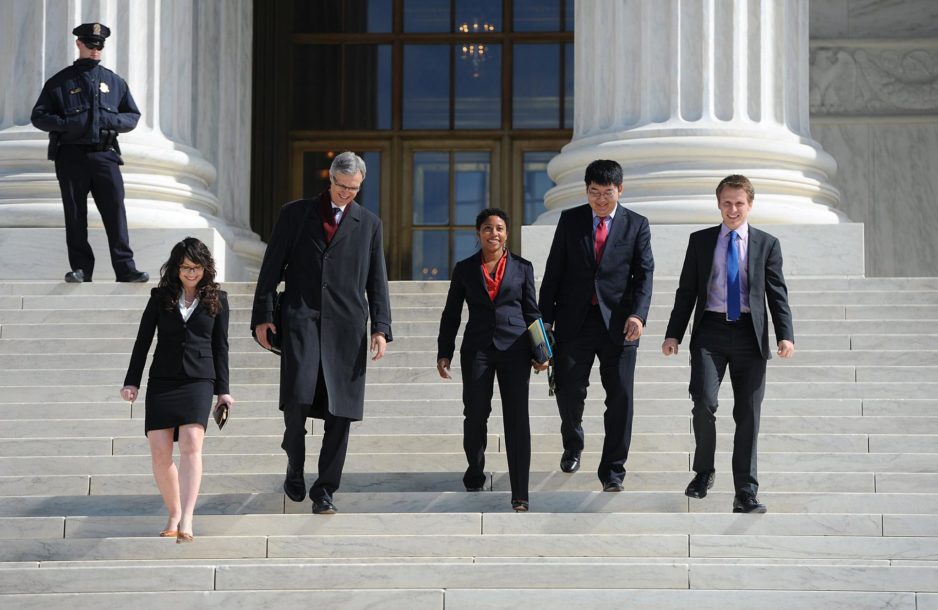
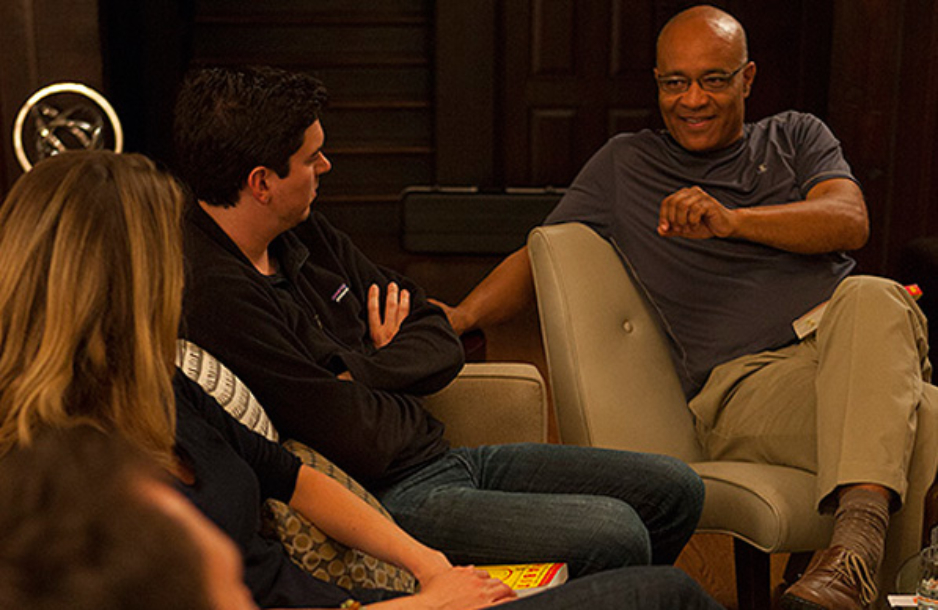
Learn more : Advanced DegreesStanford Law Students Share Their Stories


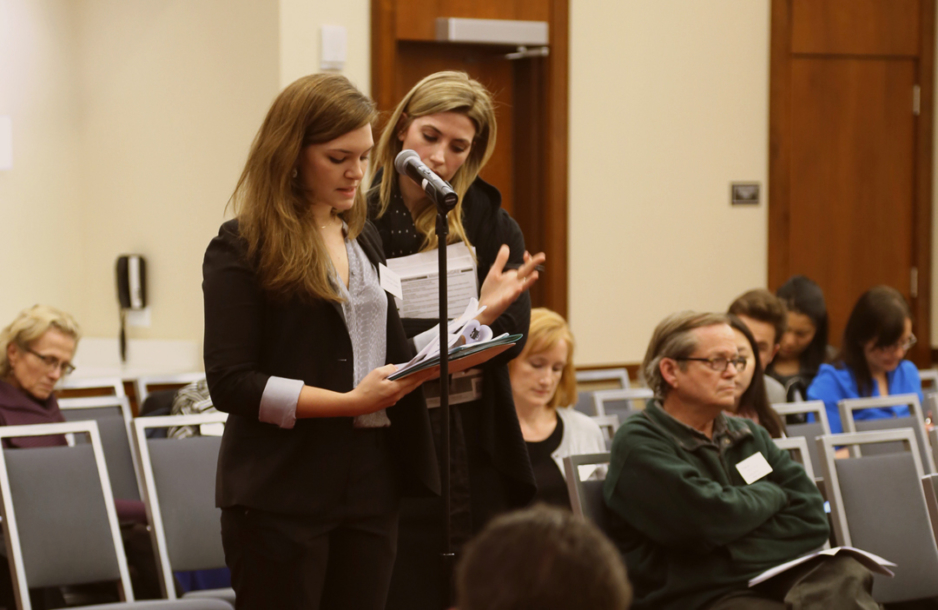

Spring Short Course | A Litigator's Guide to AI. Attention Is All You Need?
Stanford Law School “Short Courses" are intensive one- or two-unit offerings that run just a few weeks and bring distinguished judges, practitioners, and policymakers into the classroom.

Connect with Us


As the academic year comes to a close, Stanford Law School is proud to celebrate some of the students, faculty, and staff recognized as part of the law school’s annual end-of-year awards.
Professor Anne Joseph O’Connell was selected by the graduating class for Stanford Law's ...Hurlbut Award, which honors a professor who “strives to make teaching an art.” Professor O’Connell will deliver the keynote address at graduation.
The Staff Award goes to the one and only Faye Deal, a beloved longtime member of the Stanford community who has played a meaningful role in the lives of countless Stanford Law students.
And the 2026 Dean’s Award for Excellence in Service goes to Delia Appiah Mensah, JD ’26, recognized for her outstanding contributions to student life at the law school.
We also congratulate the 2026 recipients of the Leon M. Cain Community Leadership Award, which honors students who have made outstanding contributions to enhancing the law school community: Halim Labi, JD ’28; Jocelyn Tapia, JD ’27; Rebecca Han, JD ’26; and Khurliman Aytniyazova, LLM ’26.
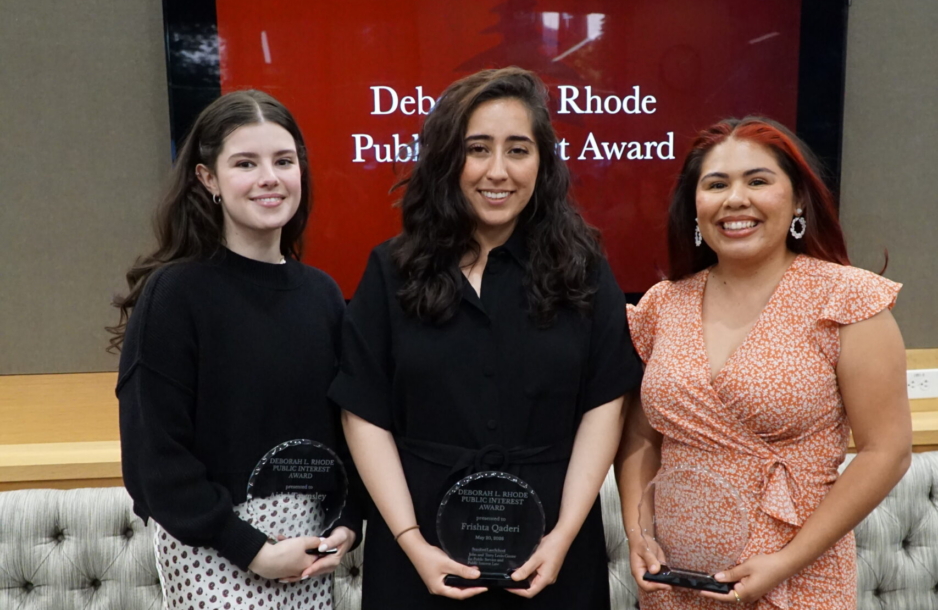
In mid-May, the The John and Terry Levin Center for Public Service and Public Interest Law handed out its annual awards at a reception. Read more about those awards here: https://brnw.ch/21x3bdL
Congratulations to all of this year’s honorees!
Stanford Law School's Night of Firsts returned on May 15, bringing together students, alumni, faculty, and friends to celebrate the 10th anniversary of the First Generation and Low-Income Professionals (FLI) affinity group.
As FLI's signature gala, Night of Firsts offered a ...chance to honor the students and alumni who have helped build the organization and to recognize the power of being "first" while opening doors for those who follow.
This year's speakers included FLI founder Jasmine Miller, JD '19, and Christopher Middleton, JD '21, of the Youth Law Center. The event was organized by the 2025–2026 FLI Board, including Co-Presidents Jocelyn Tapia, JD '27, and Breeze Velazquez, JD '27, and led by FLI Gala Chair Blessing Roland-Magaji, JD '27.
Directors are sitting on the boards of competing companies far more often than previously known.
A new study by Stanford Law Professor Mark Lemley, Lane Miles, JD ’25, and Wharton Professor Rory Van Loo identifies 2,309 instances of these overlapping board roles, raising new questions ...about competition, investor influence, and access to sensitive business information.
The researchers’ article, “Anticompetitive Directors,” published in the Columbia Law Review, recently received the 24th Annual Jerry S. Cohen Memorial Fund Writing Award, which recognizes outstanding antitrust scholarship. Read more: https://brnw.ch/21x35Rp



Stanford Law School’s Night of Firsts returned on May 15, bringing together students, alumni, faculty, and friends to celebrate the 10th anniversary of the First Generation and Low-Income Professionals (@sls_fli) affinity group.
As FLI’s signature gala, Night of Firsts offered a chance... to honor the students and alumni who have helped build the organization and to recognize the power of being “first” while opening doors for those who follow.
This year’s speakers included FLI founder Jasmine Miller, JD ‘19, and Christopher Middleton, JD ‘21, of the Youth Law Center. The event was organized by the 2025–2026 FLI Board, including Co-Presidents Jocelyn Tapia, JD ‘27, and Breeze Velazquez, JD ‘27, and led by FLI Gala Chair Blessing Roland-Magaji, JD ‘27.