The Master of Laws (LLM) in Law, Science & Technology provides rigorous academic and professional training in legal practice and interdisciplinary analysis related to current developments in law, science and technology, including such areas as e-commerce, jurisdiction and dispute resolution in cyberspace, biotechnology and health science issues, intellectual property regimes and contractual developments related to the global information economy, venture capital, and high technology start-up companies.
The LLM in Law, Science & Technology is limited to students with a primary law degree earned outside the United States. Except under unusual circumstances, candidates must have at least two years of professional legal experience before commencing the LLM program.
LLM students are required to be in residence at Stanford during the full (nine month) academic year. They are required to take a minimum of 35 credit units and a maximum of 42 credit units.
The LLM academic program includes the following components:
To meet these requirements, each LLM student will develop an individualized course of study that will be reviewed and approved by the program director.
LLM students are required to be in residence at Stanford during the full (nine month) academic year. They are required to take a minimum of 35 credit units (and a maximum of 42 units).
Stanford Law School offers international graduate students an intensive two week Introduction to American Law course in early September, before regular classes begin. This course is required for LLM students. It is optional for SPILS Fellows, but is recommended for students with no prior exposure to American law. The purpose of this course is to:
All Law, Science & Technology LLM students will participate in a weekly colloquium that will be directed by the teaching fellow for the Law, Science & Technology program. The colloquium will include an overview and discussion of selected issues in law, science, and technology, presentations of research and papers by faculty and visiting scholars, and outside guest speakers, often practicing lawyers. Students are also encouraged to attend other seminars and lectures on campus that are relevant to topics discussed during the required colloquium.
Courses in law, science, and technology represent a strong and expanding component of the Law School's curriculum. The following is a list of the principal law, science, and technology courses that have been offered at the Law School during the last several years. Some courses are not offered every year, and additional courses may also be offered in a particular year.
Visit the courses section of the Law School's website for a comprehensive list of offerings.
* Limited enrollment courses or seminars for which admission may be subject to a lottery or permission of the instructor.
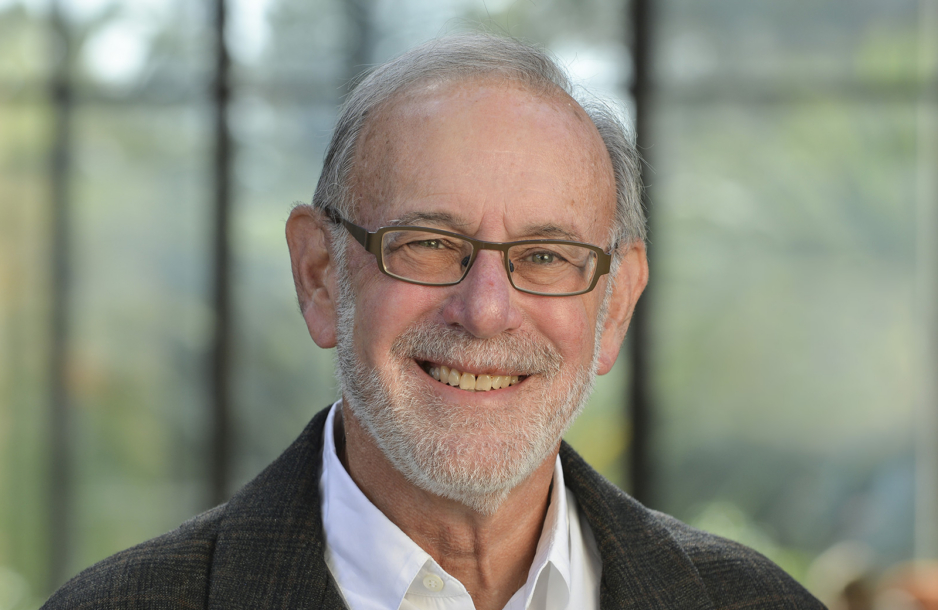
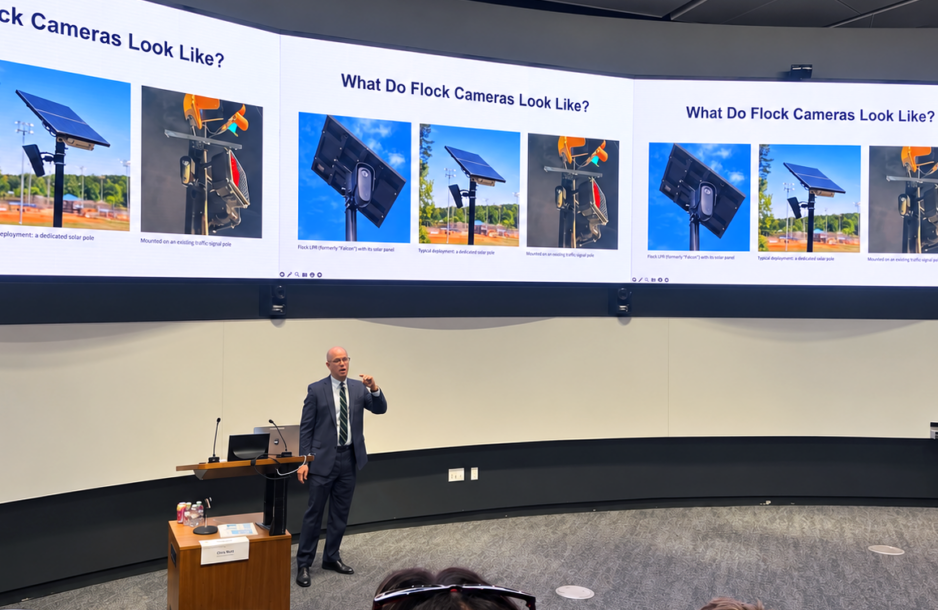
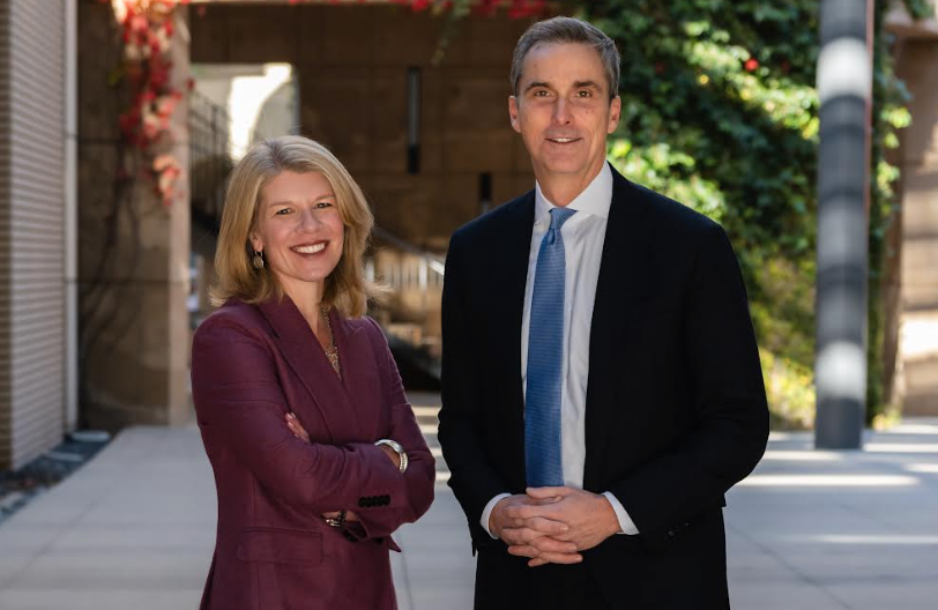
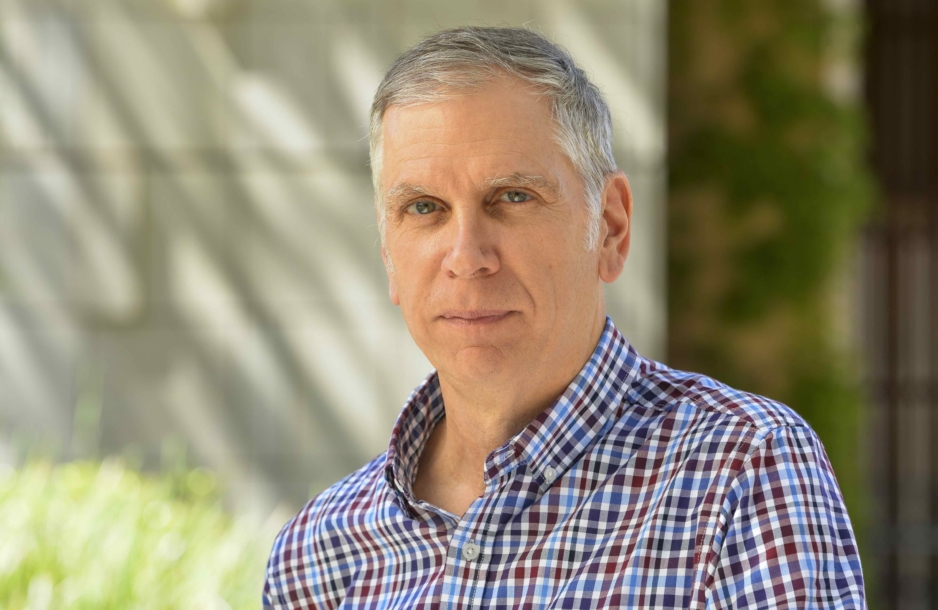
The Law School's faculty includes talented teachers and scholars of issues at the intersection of law, science, and technology.
Mark A. Lemley, William H. Neukom Professor of Law; Director of the LLM Program in Law, Science & Technology; and Director of the Program in Law, Science & Technology.
Principal subjects: antitrust; intellectual property; Internet law; patent law.
G. Marcus Cole, Professor of Law, Helen L. Crocker Faculty Scholar, and Associate Dean for Curriculum.
Principal subjects: bankruptcy; contracts.
Paul Goldstein, Stella W. and Ira S. Lillick Professor of Law.
Principal subjects: international copyright law; intellectual property law.
Jennifer Granick, Lecturer in Law.
Principal subject: cyberlaw.
Henry T. Greely, Deane F. and Kate Edelman Johnson Professor of Law and Director of the Stanford Center for Law and the Biosciences.
Principal subjects: health law; genetics and law; biotechnology law; property; contracts.
Joseph A. Grundfest, W. A. Franke Professor of Law and Business.
Principal subjects: corporate law; securities regulation; mergers and acquisitions; venture capital.
Brenda Simon, Teaching Fellow in Law, Science and Technolgy, Fellow, Center for Law and the Biosciences and Lecturer in Law.
Barbara van Schewick, Assistant Professor of Law and Faculty Co-Director, Center for Internet and Society.
Principal subjects: Internet and Cyberlaw.
Roland Vogl, Executive Director of the Stanford Program in Law, Science & Technology and Lecturer in Law.
Principal subjects: intellectual property; electronic commerce; international and comparative law.
The Stanford Program in Law, Science & Technology combines the resources of Stanford Law School — including renowned faculty experts, alumni practicing on the cutting edge of technology law, technologically savvy and enthusiastic students, and a location in the heart of Silicon Valley — to address many of the questions that arise from the increasingly prominent role that science and technology play in our global economy and culture. The program draws on expertise in and beyond the Stanford Law School community, with courses taught by visiting scholars, faculty from other University departments, attorneys, business executives, and scientists. The program offers a small, close-knit community for intellectually engaging study of science- and technology-driven law and policy, including a regular speaker series with prominent academics and practitioners in the field. Stanford law students are an integral part of the program, running four successful technology-oriented student organizations at Stanford: the Stanford Law and Technology Association, the Stanford Law and Technology Review, the Stanford Biolaw Association, and the Stanford Journal of Law, Science and Policy.
Besides running its own programs on intellectual property law, the LST program includes three centers each with its own more specific focus: the Center for E-Commerce, the Center for Internet and Society (CIS), and the Center for Law and the Biosciences.
The Center for E-Commerce provides a neutral forum for scholars, policy makers, and executives to explore the burgeoning field of electronic commerce law. In a unique interdisciplinary synergy with industry working groups, the Center for E-Commerce supports policy studies, develops guidelines and works towards the enhancement of industry practices.
The Center for Internet and Society (CIS) brings together scholars, academics, legislators, students, and scientists to study the interaction of new technologies and the law, and to examine how the synergy between the two can either promote or harm public rights such as free speech, privacy, public commons, diversity, and scientific inquiry. CIS also runs the Cyberlaw Clinic and the Fair Use Project, which provide students with the opportunity to participate in related litigation.
The Center for Law and the Biosciences, directed by Professor Hank Greely, examines how new discoveries in the biosciences will change society and how the law may affect those changes.
Relevant to candidates for the Law, Science and Technology LLM are the Law School's teaching and research ties with the Schools of Business, Earth Sciences, Engineering, and Medicine, and the Departments of Computer Science and Economics, as well as the following university-wide interdisciplinary programs: