

Lifelong Friends,
Stanford Memories
Research, Scholarship and News
With impact in everything from constitutional law and privacy rights to campaign finance reform and the environment, members of the Stanford Law School community shape law and policy through leading-edge research.

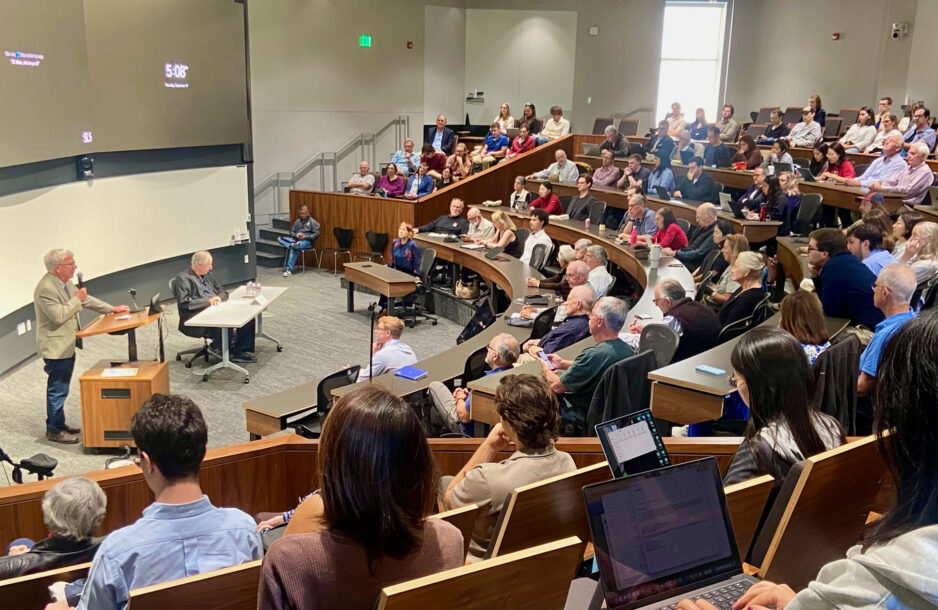
SLS Degree Programs
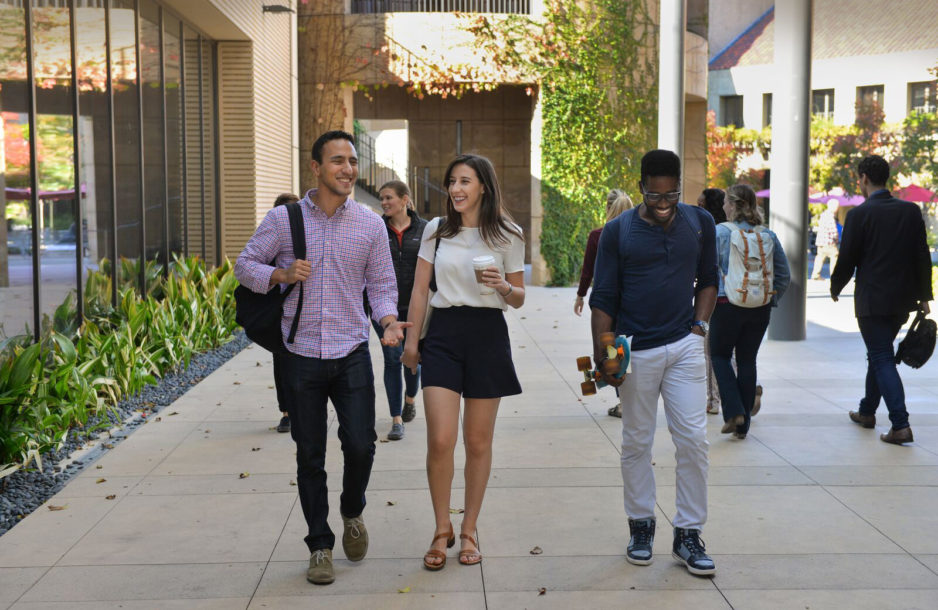
Join a diverse and inclusive community shaped by a commitment to the future.
Learn more : The JD Program
A hallmark of Stanford University and a distinct strength of Stanford Law, where students can explore the many ways law intersects with other fields.
Learn more : Joint Degree Programs
One-year master's degree programs and a doctoral degree (JSD) for international graduate students who have earned a law degree outside the United States.
Learn more : Advanced DegreesStanford Law Students Share Their Stories

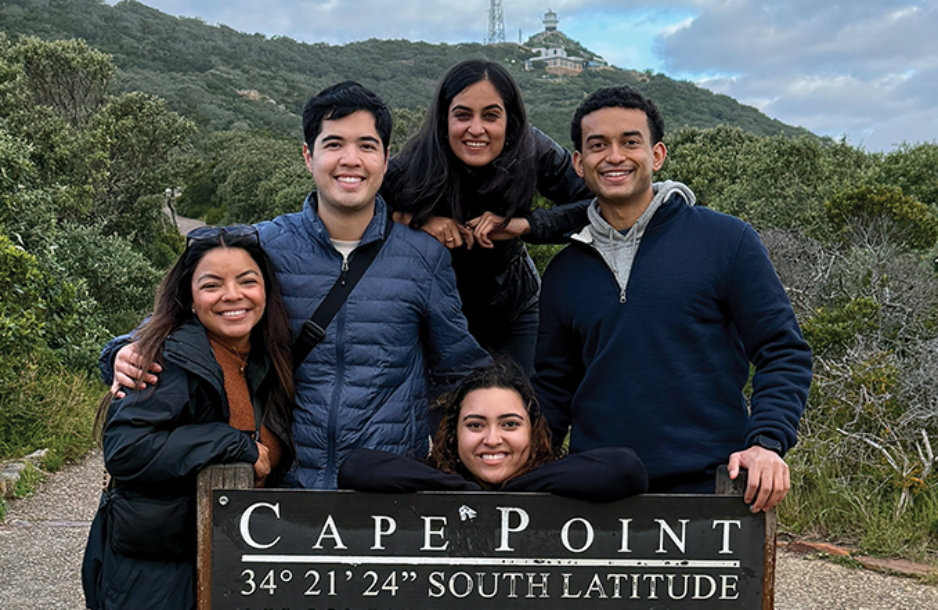

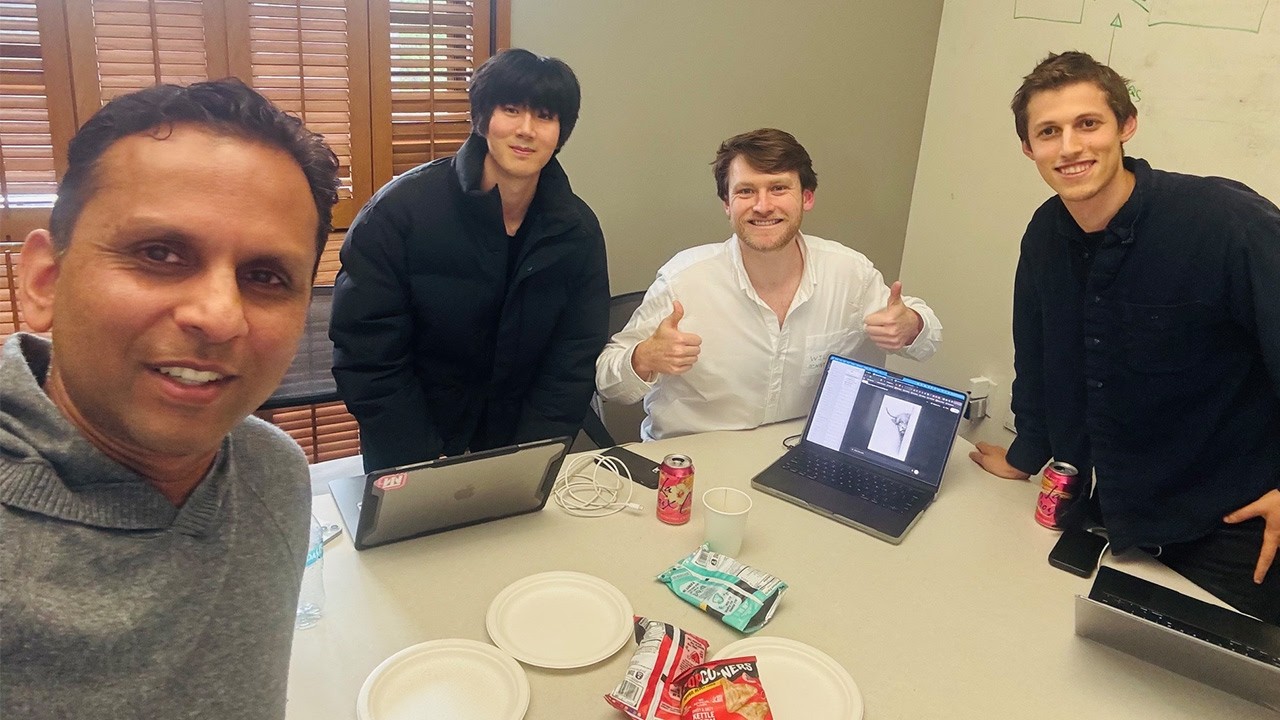
2026 LLM x Law Hackathon
The hackathon wasn’t just a competition; it was a glimpse into what becomes possible when the people who understand AI and the people who understand law are finally in the same room, building together.
Connect with Us



Register for The Future of the Legal and Medical Professions Symposium, Oct. 26
Law and medicine have long been distinct professions, but they are increasingly confronting the same fundamental questions:
⚖️ How will AI change expert work, and how should institutions adapt? Read more
⚕️ How can the professions ensure access to essential services for those who cannot afford them?
💡 How can the professions maintain public trust and confidence?
Stanford Law School and Stanford Medicine are bringing together leaders and thinkers from across both fields for a full-day symposium to examine what the professions can learn from one another as they navigate this period of rapid change.
Learn more and register: https://brnw.ch/21x6lvi

On Oct. 15, from 5-6 p.m. PDT, the Neukom Center for the Rule of Law and Hoover’s Center for Revitalizing American Institutions will celebrate Professor Diego Zambrano's new book, “How Americans Enforce the Law.”
Unlike most democracies, which rely on government agencies for Read moreregulatory enforcement, the United States empowers ordinary citizens and their lawyers to enforce the law through more than 10,000 private rights of action embedded in regulatory statutes.
Zambrano, the Neukom Center’s faculty director, examines how this distinctive system developed and its implications for the rule of law and democracy. Professor Eugene Volokh will serve as discussant.
RSVP: https://brnw.ch/21x6ihD

Register for The Future of the Legal and Medical Professions Symposium, Oct. 26
Law and medicine are navigating new technologies, shifting markets, and an evolving policy landscape reshaping the future of practice.
This full-day symposium brings together leaders, scholars, and Read morepractitioners from Stanford, peer institutions, and industry to discuss the state of the sister professions and strategies that will be essential to prepare for the decade ahead.
Join us on October 26, 2026, to explore the future of work and professional education, the growing role of technology, challenges to public trust and access, and what the legal and medical professions may look like in 2036.
Register: https://brnw.ch/21x6gxK

What happens when legal expertise meets artificial intelligence?
In a recent 60 Minutes segment, Vorys, Sater, Seymour and Pease LLP highlighted its work with Stanford Law School’s liftlab to develop an internal AI tool built around the knowledge and judgment of senior lawyers.
The Read moretool does not replace attorneys. It helps lawyers prepare more effectively by offering feedback informed by the approaches, preferences and experience of Vorys partners. For trial lawyer Kim Herlihy, that can mean reviewing a draft opening statement and receiving feedback from an AI persona trained on her own professional insights.
As Herlihy noted, AI will not walk into a courtroom to deliver an opening statement. But it can provide another tool to help lawyers prepare for the work only people can do: counsel clients, exercise judgment and advocate before judges and juries.
Watch the full 60 Minutes segment: https://brnw.ch/21x6eL3
Visit liftlab's website: https://brnw.ch/21x6eL4