

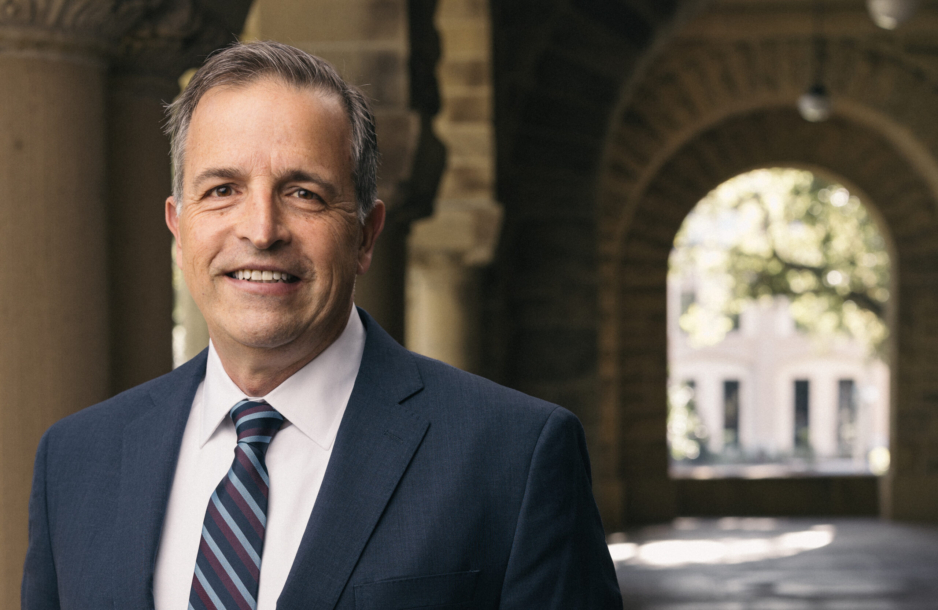
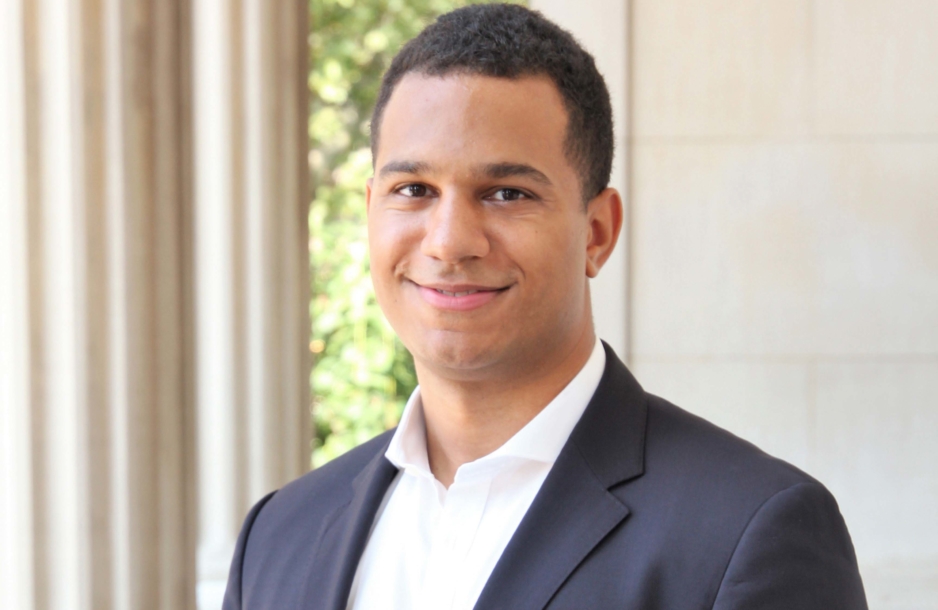
There’s just so much energy and enthusiasm and intelligence at this place. People don’t just talk about problems. They find a way to fix it. They start a pro bono that’s helping veterans find jobs or helping victims of human trafficking.
James Barton, JD ’15
I am a/an...
SLS Degree Programs
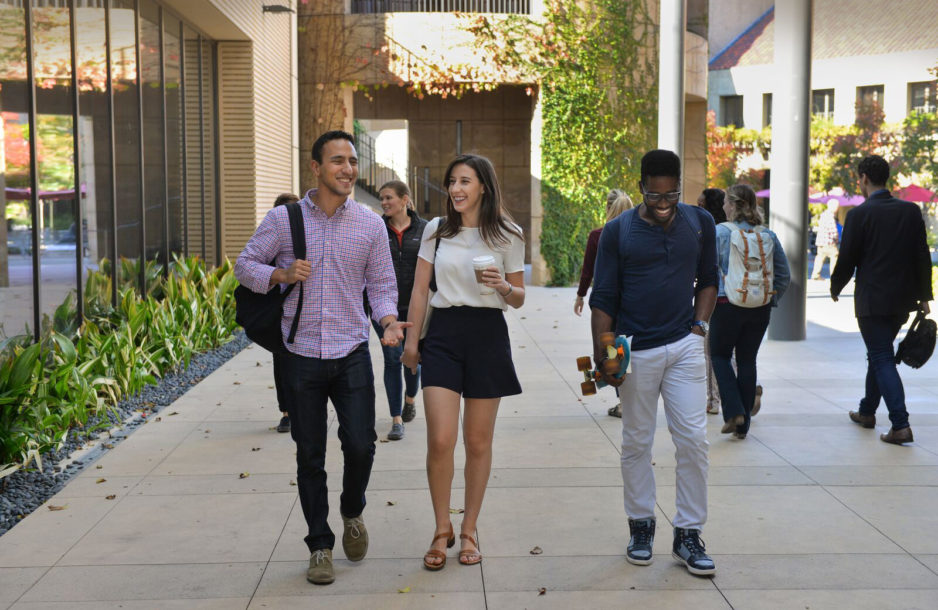
Join a diverse and inclusive community shaped by a commitment to the future.

Join a diverse and inclusive community shaped by a commitment to the future.
Learn more
A hallmark of Stanford University and a distinct strength of Stanford Law, where students can explore the many ways law intersects with other fields.
Learn more
One-year master's degree programs and a doctoral degree (JSD) for international graduate students who have earned a law degree outside the United States.
Learn more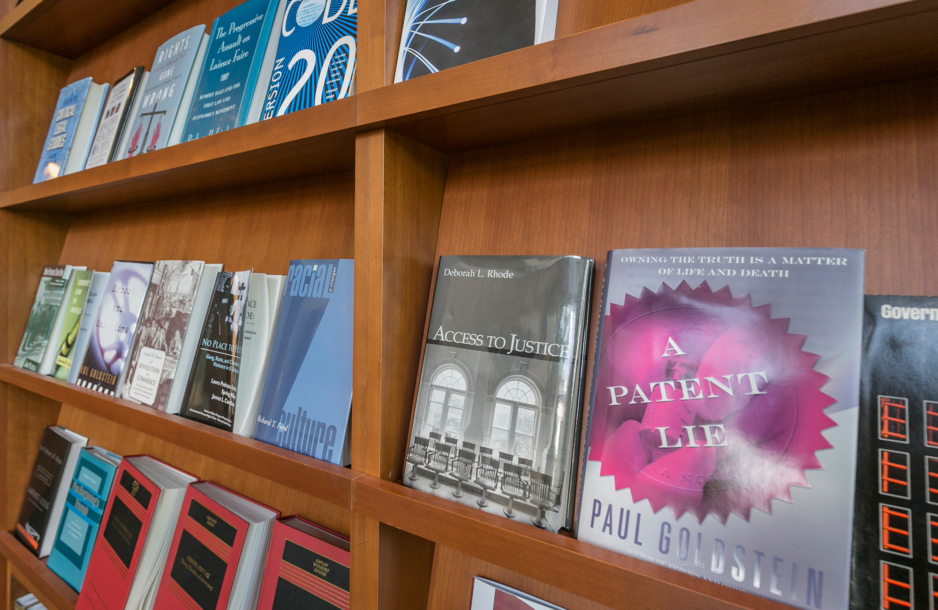
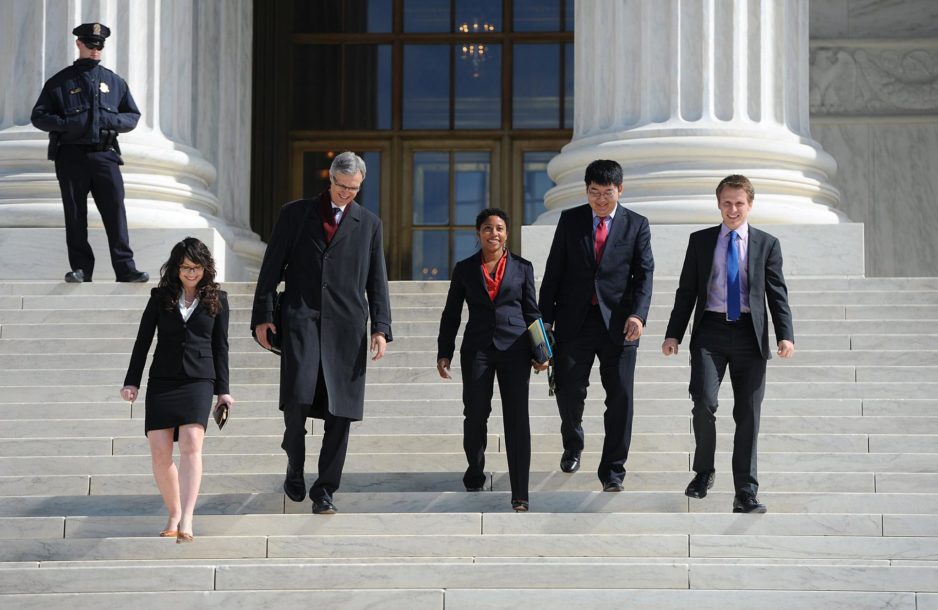

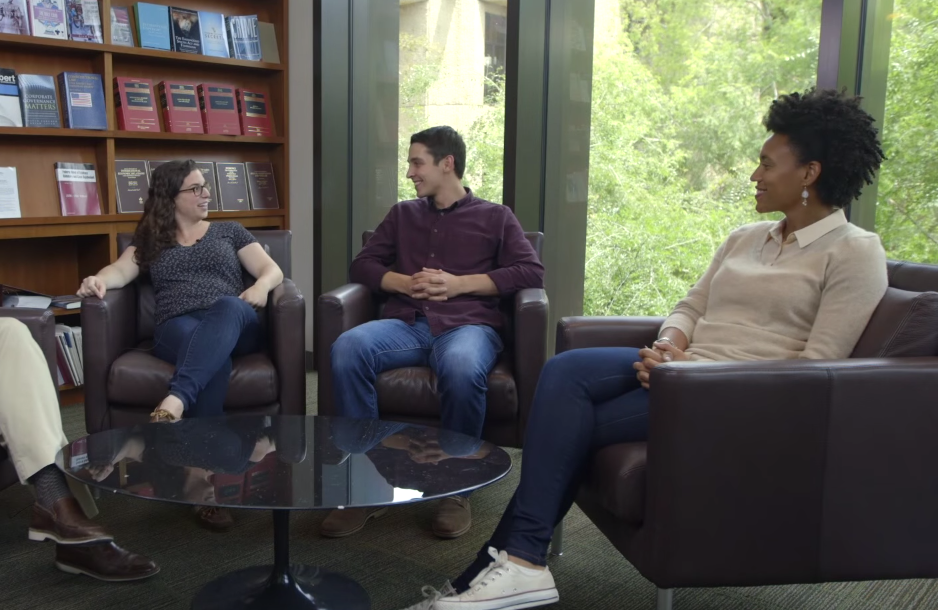
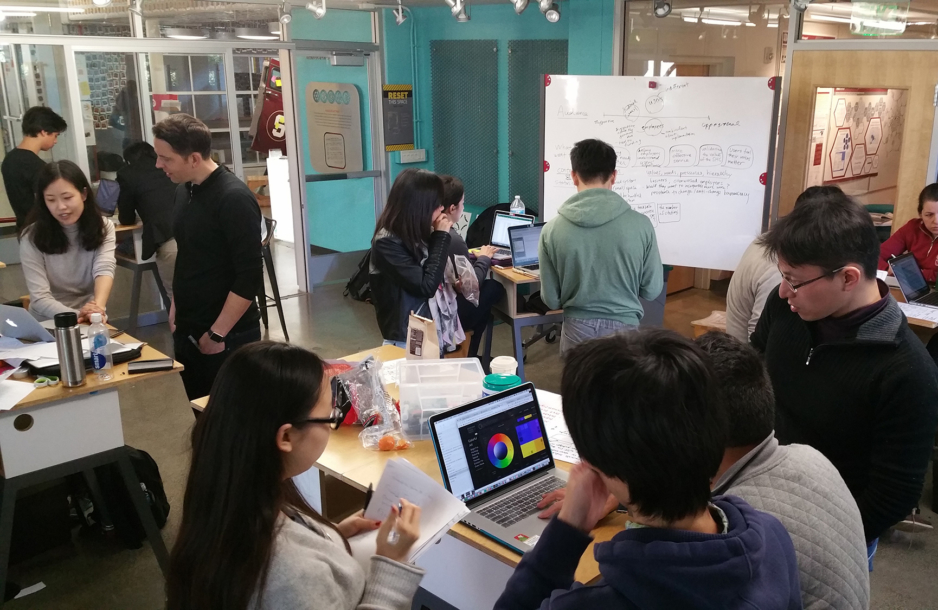
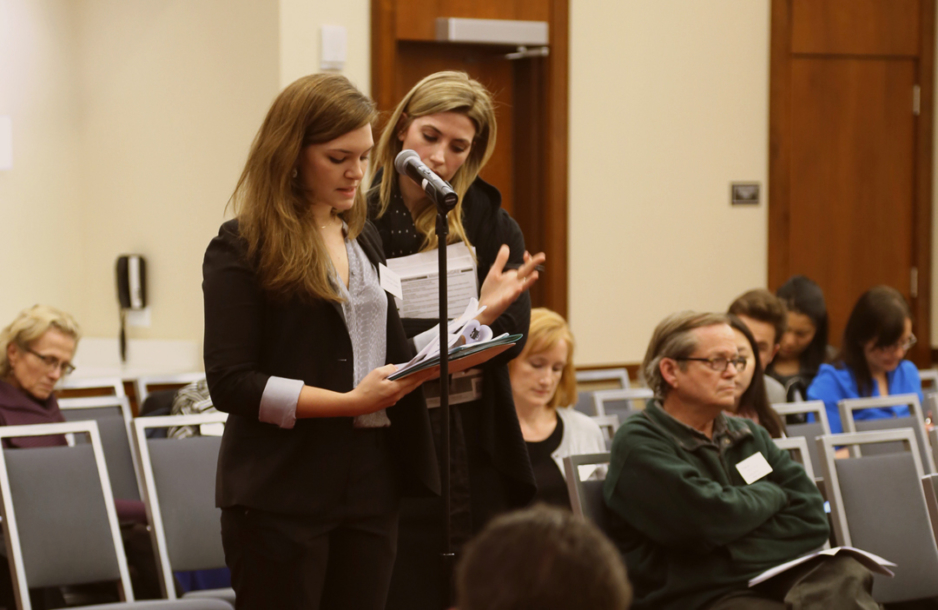

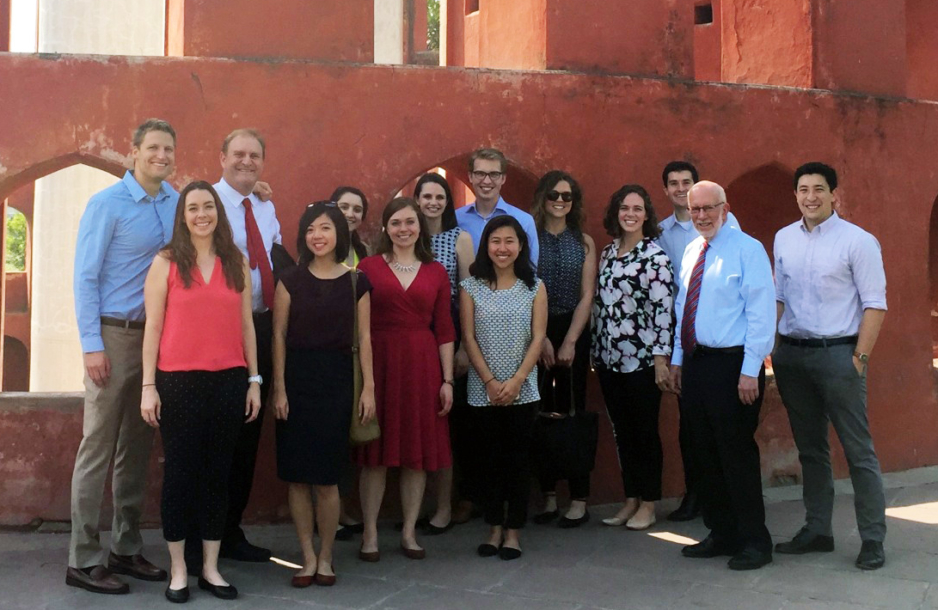
SLS Students Share Their Stories
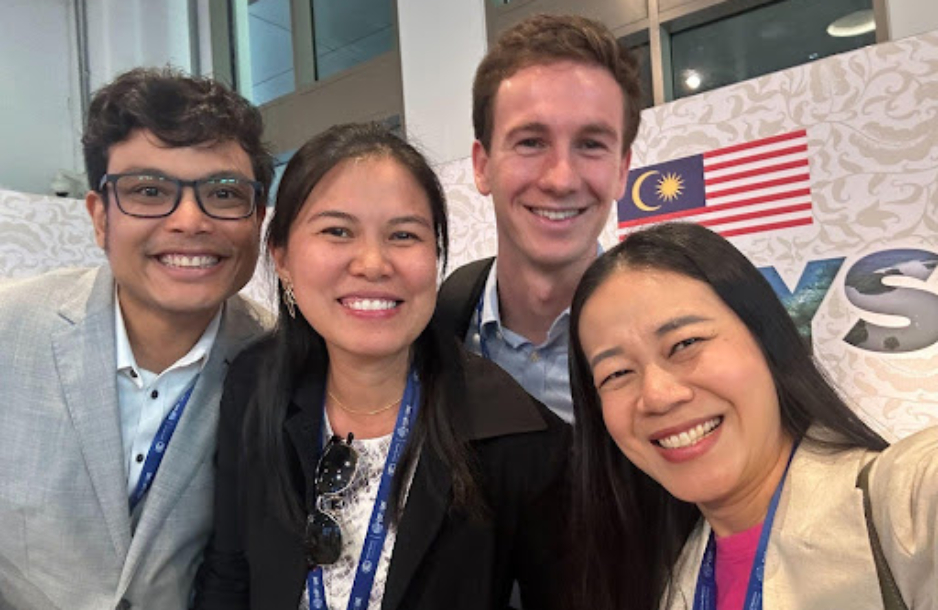



Connect with Us



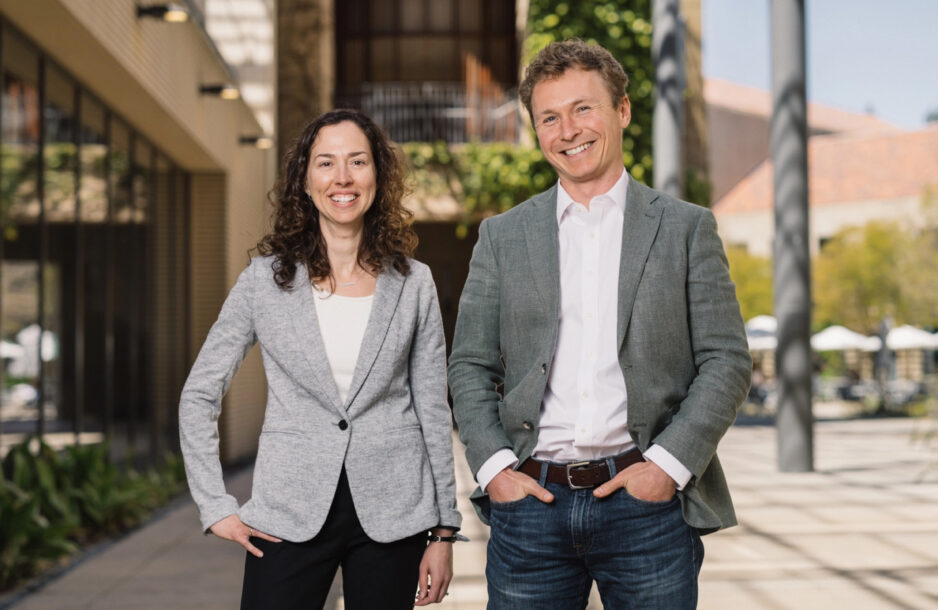
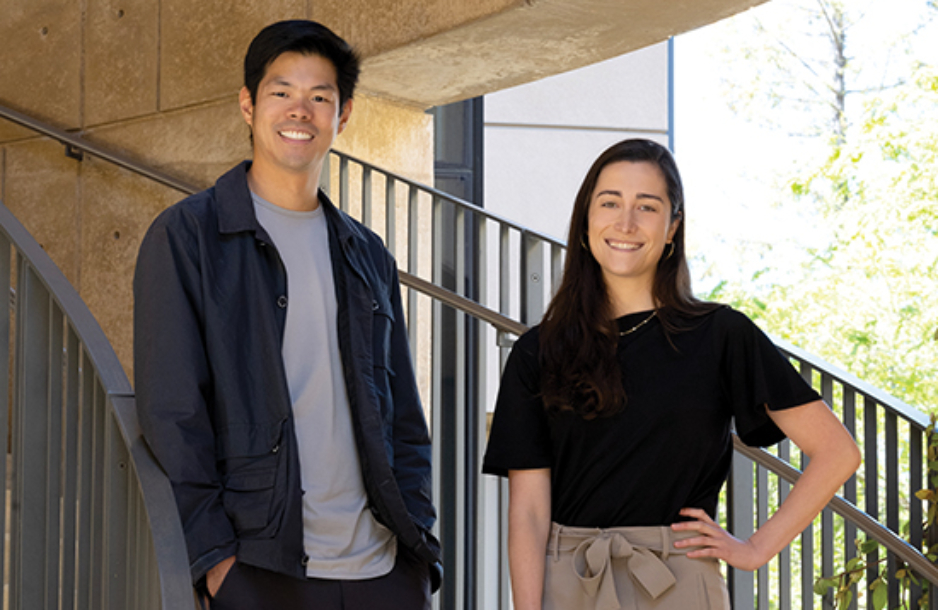
Startup Law: Sustainability, conceived and co-taught by lecturers Molly Melius, JD ’10, and Sam McClure, JD ’17, takes a win-win-win approach to teaching SLS students about what it means to be a lawyer for a sustainability-focused startup.
Read more: https://stanford.io/3W6lfnH

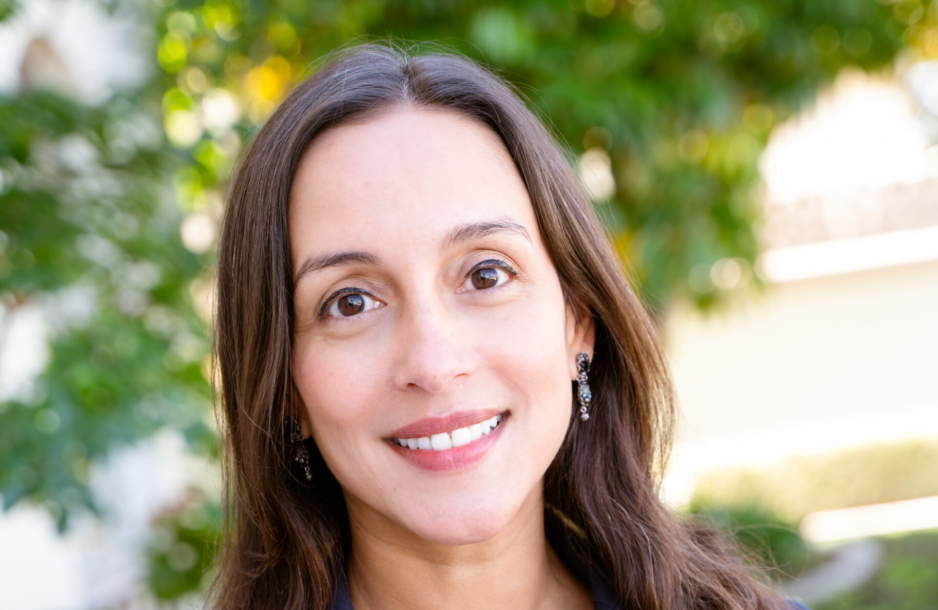
Professor Easha Anand, co-director of the Stanford Law School Supreme Court Litigation Clinic, and Gareth Fowler, JD ’24, join the Stanford Legal podcasts this week for a discussion about three cases argued before the Court this term, the people behind the case titles, and what it takes to ...represent them at the highest court in the land. https://stanford.io/3xwocn0

Last week, the inaugural SLS Firm Expo series kicked off as SLS students met with over eighty law firm representatives from across the country (over a third of whom were SLS alumni!). The series is a fantastic opportunity for students to network with private sector attorneys, develop valuable ...contacts, and receive first hand advice on navigating the legal profession.
The 2024 Firm Expo series will wrap up on April 23 with attorneys and recruiters from over thirty five different firms, giving students the chance to further broaden their network and knowledge of the firm legal market. We look forward to seeing everyone there!

"It’s really important to make sure people understand quantum technology's' huge potential for good."
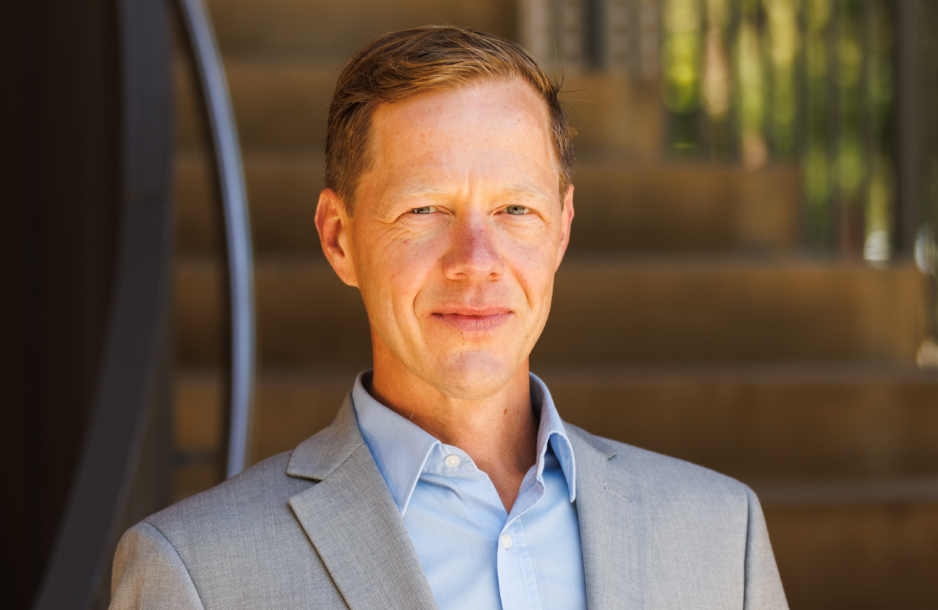
Read a Legal Aggregate Q&A with SLS's Mauritz Kop, who recently wrote a paper outlining how to responsibly develop mind-bending new technologies. ...https://stanford.io/3PYRtNE