
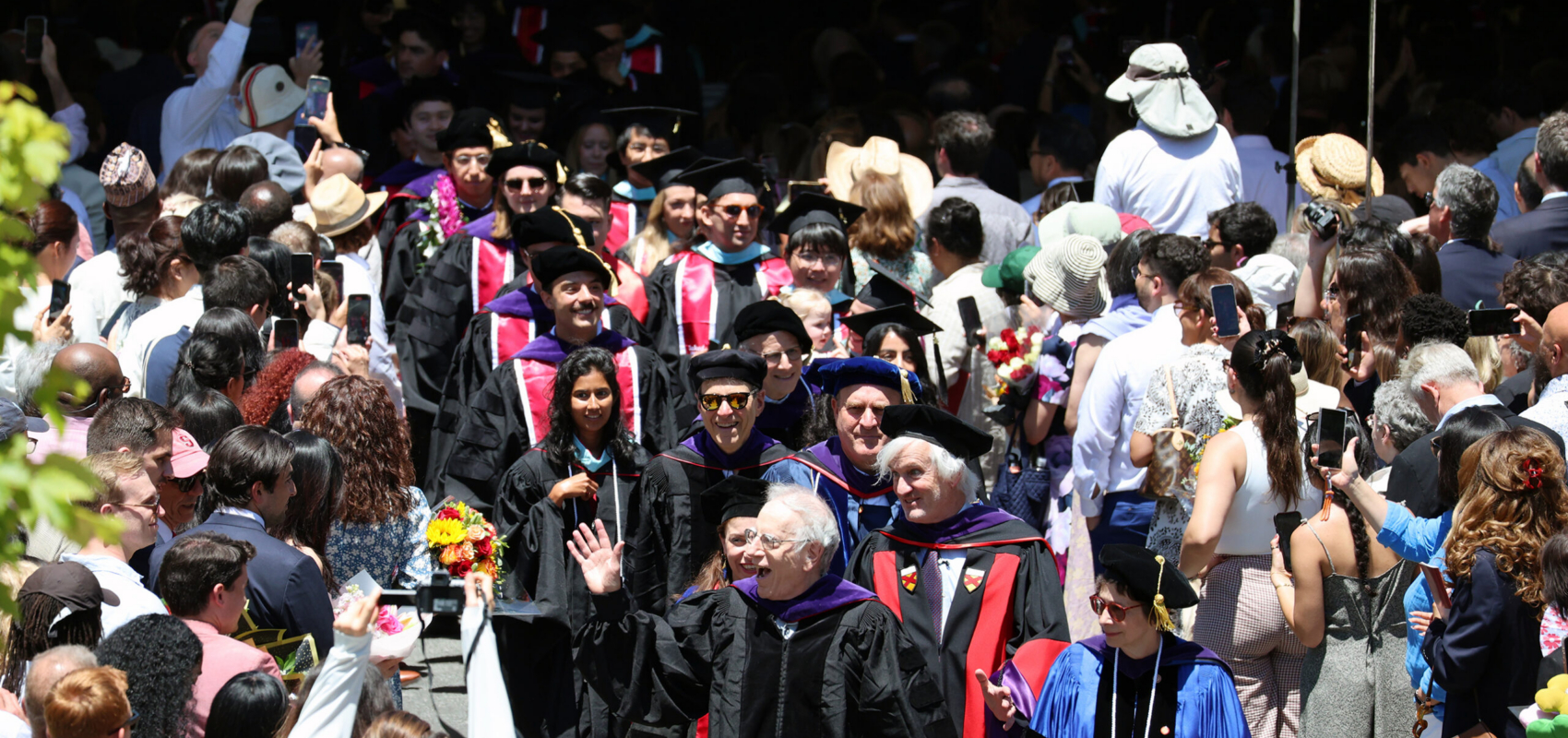
Congratulations Class of 2026
Research, Scholarship and News
With impact in everything from constitutional law and privacy rights to campaign finance reform and the environment, members of the Stanford Law School community shape law and policy through leading-edge research.


SLS Degree Programs


Join a diverse and inclusive community shaped by a commitment to the future.
Learn more : The JD Program
A hallmark of Stanford University and a distinct strength of Stanford Law, where students can explore the many ways law intersects with other fields.
Learn more : Joint Degree Programs
One-year master's degree programs and a doctoral degree (JSD) for international graduate students who have earned a law degree outside the United States.
Learn more : Advanced DegreesStanford Law Students Share Their Stories
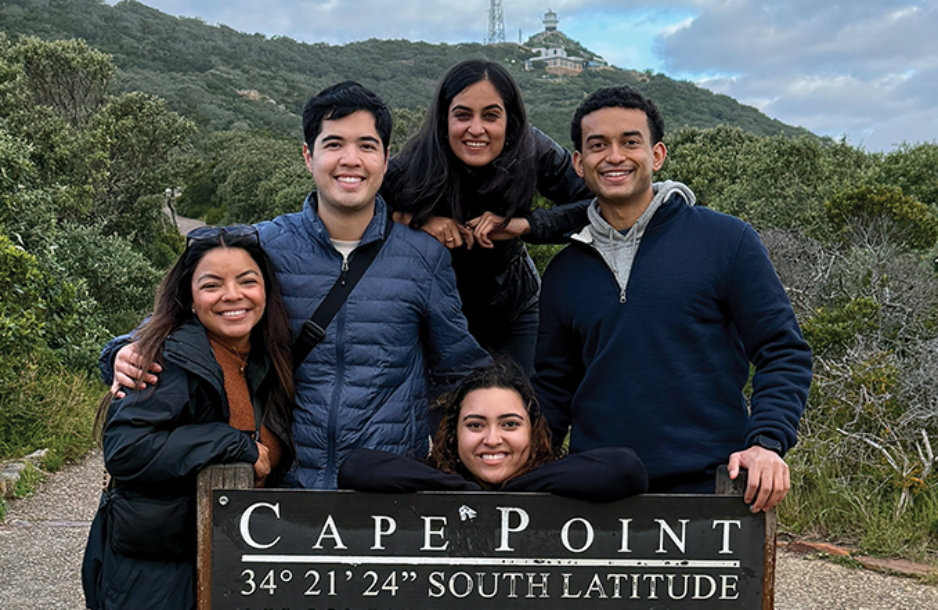




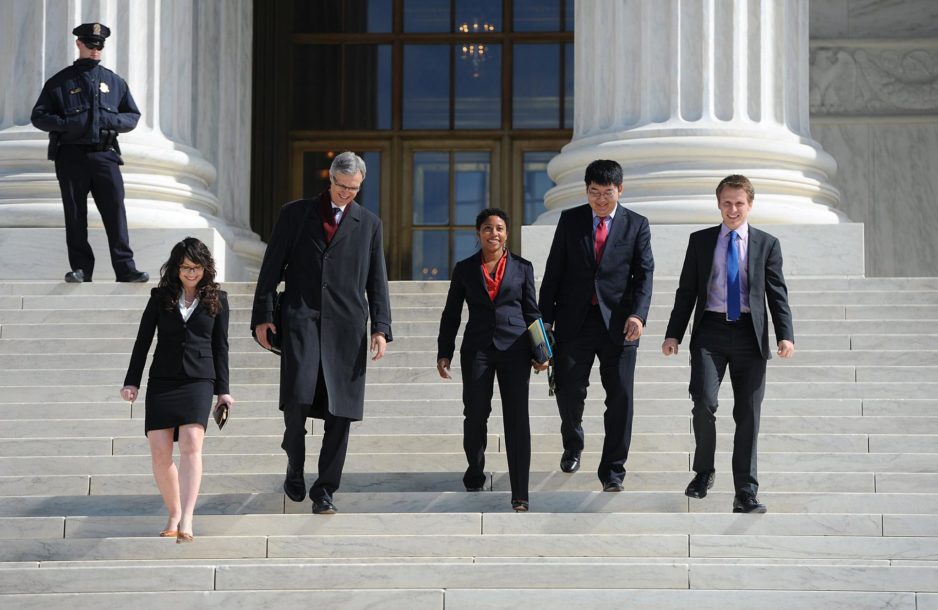


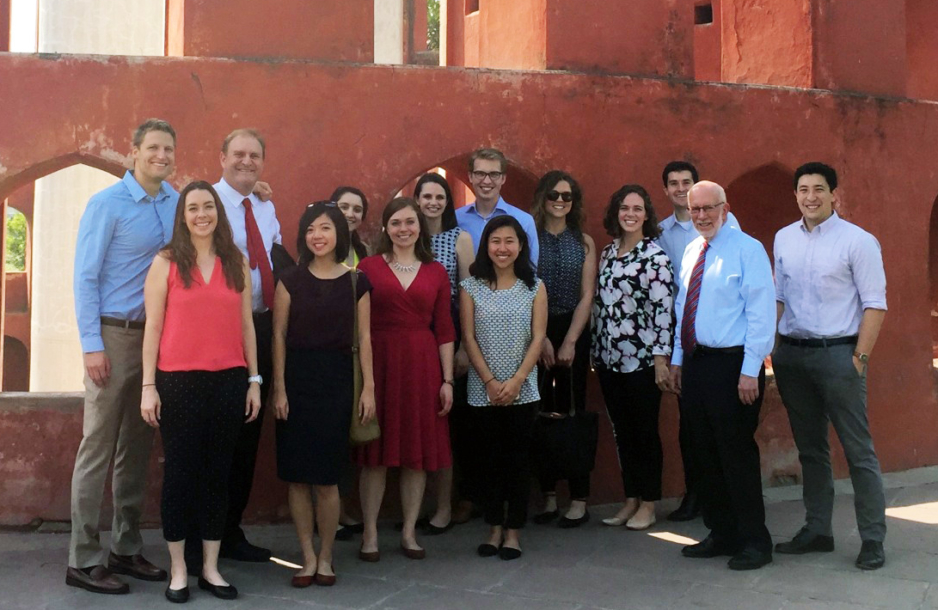
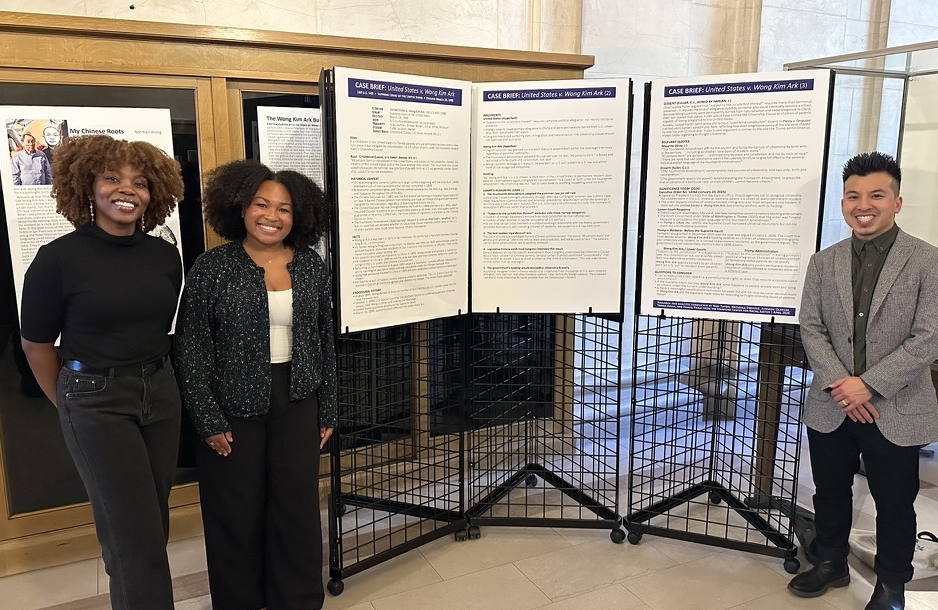
Stanford Center for Racial Justice | Bremond Fellows 2025-2026 Cohort

Connect with Us


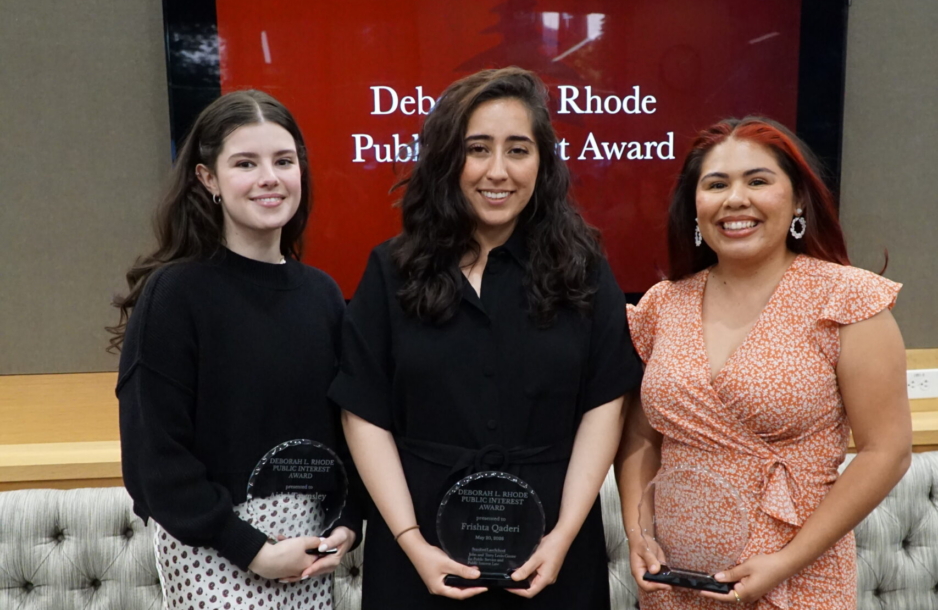
Will Avery Paisley, JD ‘26, offers an inspiring look at life as a Stanford Law student. As the Class of 2026 President, joint JD/MBA student, a member of the Native American Law Students Association (NALSA), and an active leader across the Stanford community, Will reflects on the experiences ...that have shaped their time at Stanford Law.


Are personal injury lawyers frauds and scammers?
Professor Nora Freeman Engstrom was a guest on No Such Thing as part of a conversation about personal injury law firms, including the racial and ethnic animus embedded into attorney regulation, why contingency fee caps are regressive, and ...the need for closing statements.
Listen here: https://brnw.ch/21x3opv

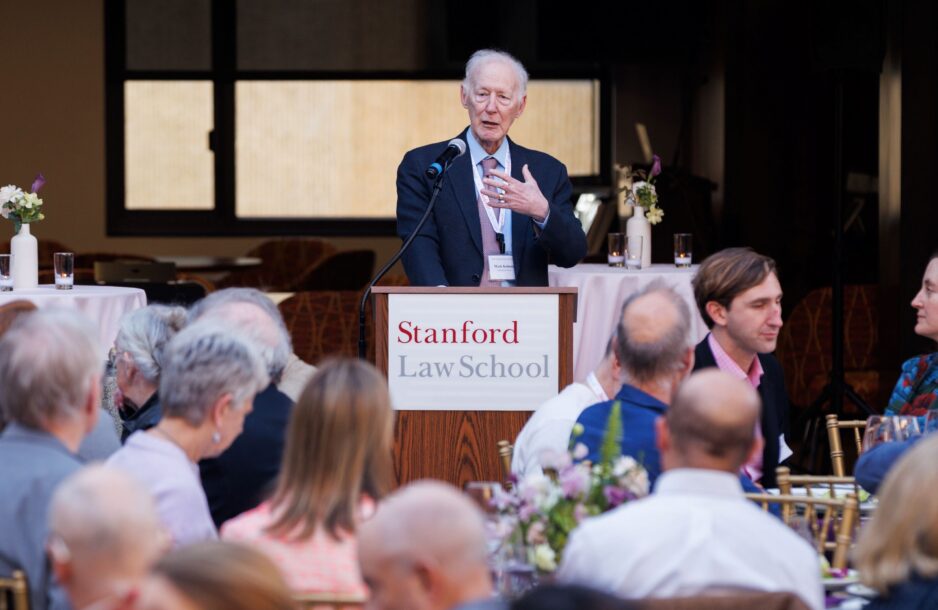
For nearly five decades, Professor Mark Kelman has helped shape the intellectual life of Stanford Law School.
Faculty, former students, family members, and Kelman’s many other fans recently gathered for a day-long festschrift honoring his extraordinary career and influence as a legal ...theorist, teacher, mentor, colleague, and longtime vice dean. The day included substantive panels and personal reflections on a scholar whose work has crossed fields from critical legal studies and criminal law to taxation, anti-discrimination law, cognitive psychology, and the legal meaning of harm.
As Dean George Triantis put it, Kelman’s long career might be understood as “mapping the genome of the legal system." Read more: https://brnw.ch/21x3mlD

Congratulations to the Stanford Law School Class of 2026! 🎓👏