
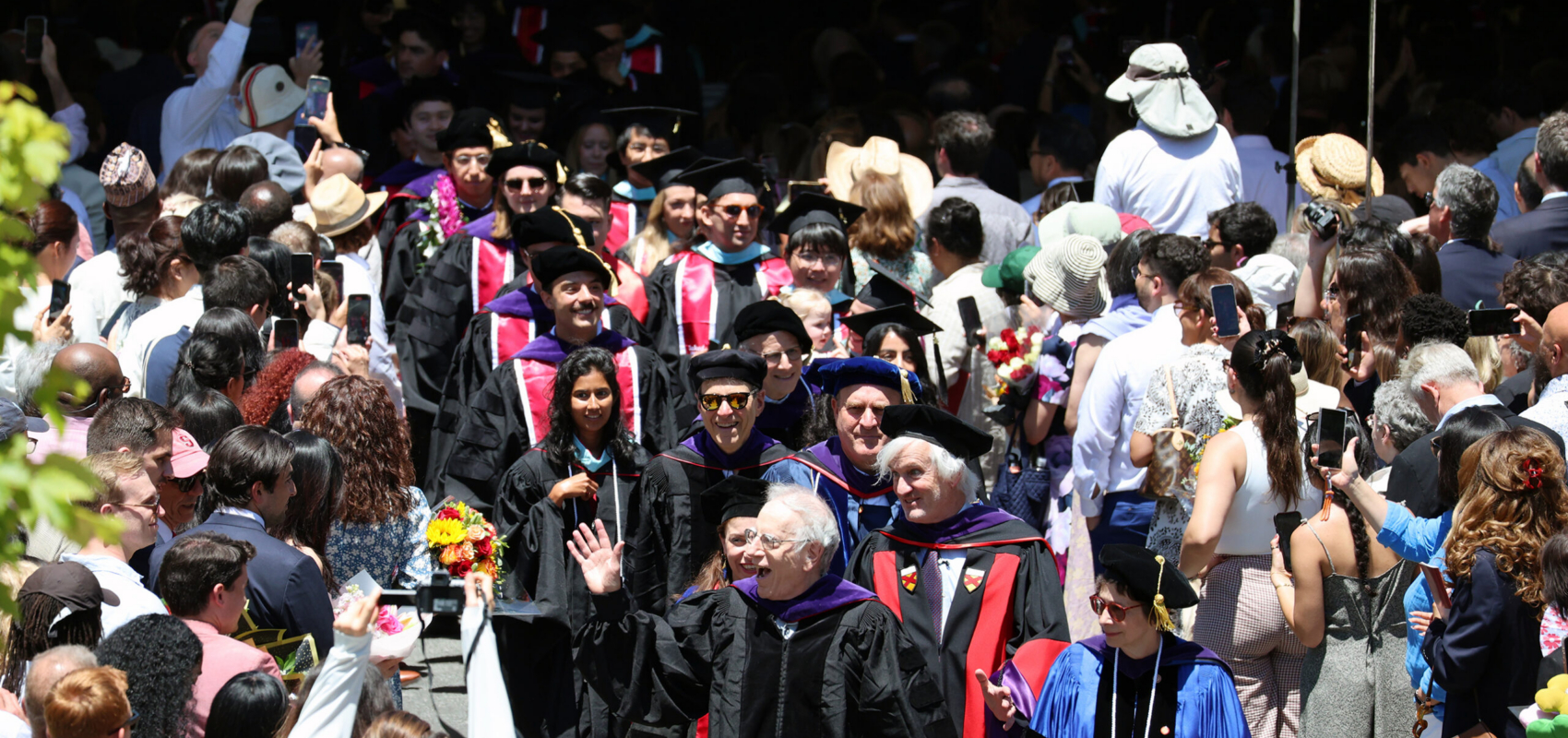
Congratulations Class of 2026
Research, Scholarship and News
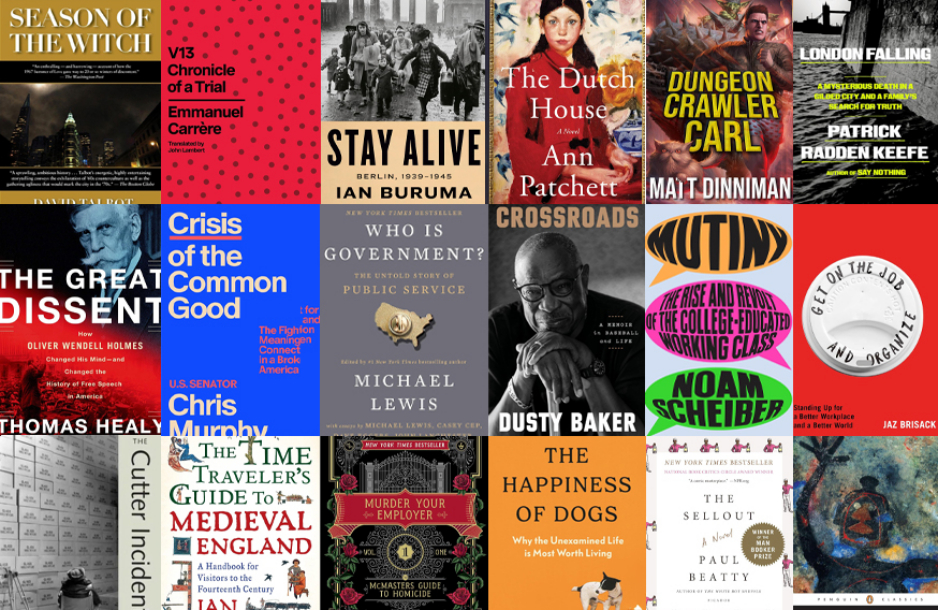
With impact in everything from constitutional law and privacy rights to campaign finance reform and the environment, members of the Stanford Law School community shape law and policy through leading-edge research.
SLS Degree Programs
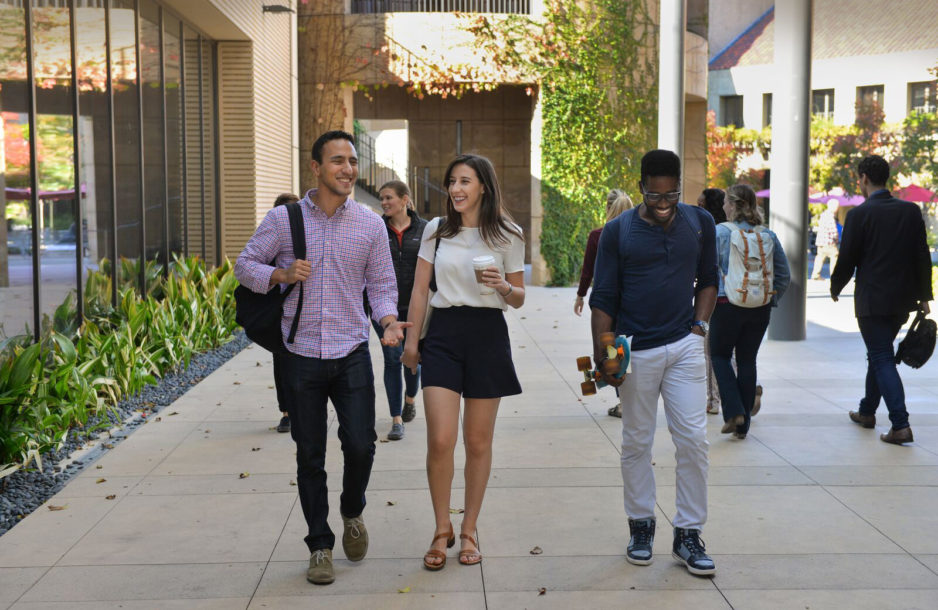

Join a diverse and inclusive community shaped by a commitment to the future.
Learn more : The JD Program
A hallmark of Stanford University and a distinct strength of Stanford Law, where students can explore the many ways law intersects with other fields.
Learn more : Joint Degree Programs
One-year master's degree programs and a doctoral degree (JSD) for international graduate students who have earned a law degree outside the United States.
Learn more : Advanced DegreesStanford Law Students Share Their Stories
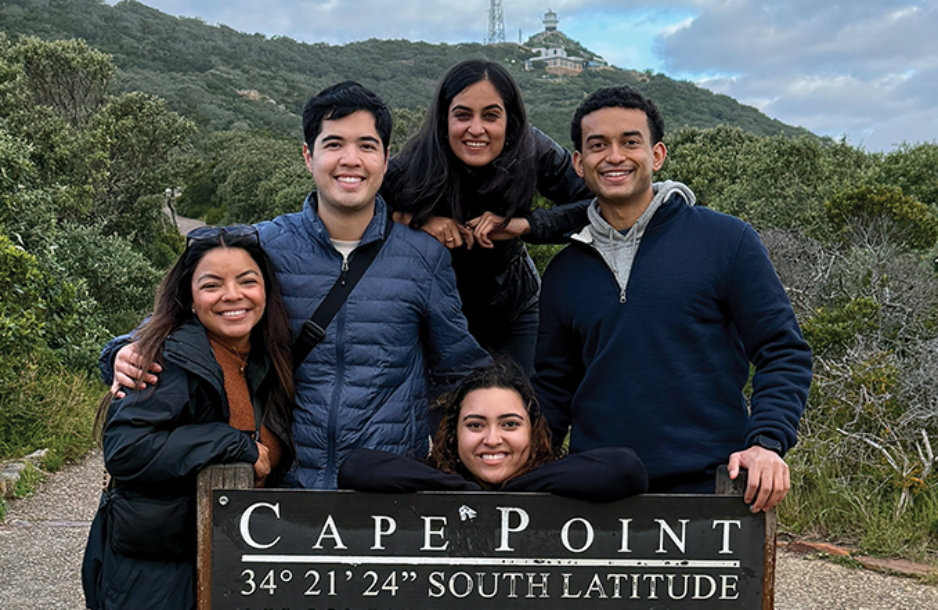

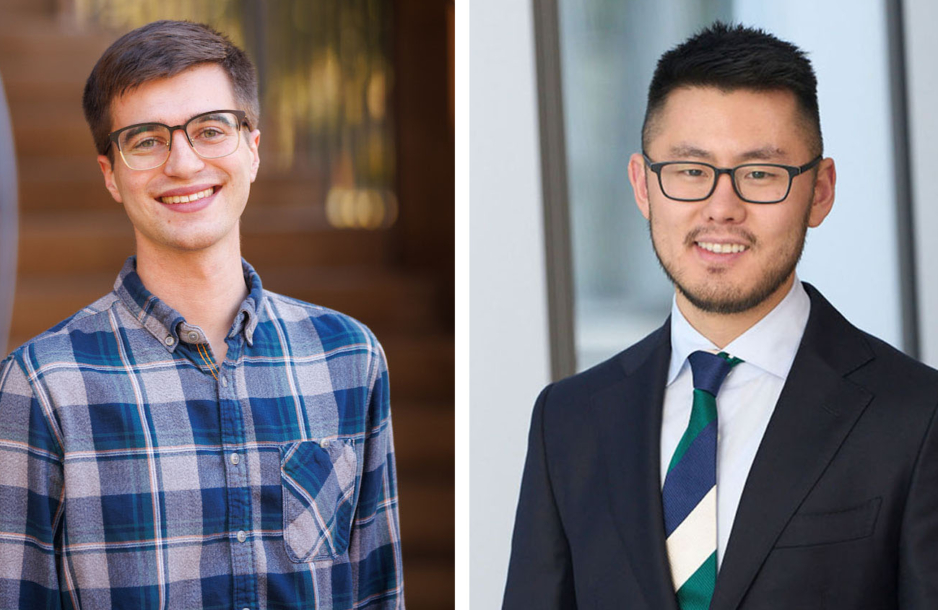
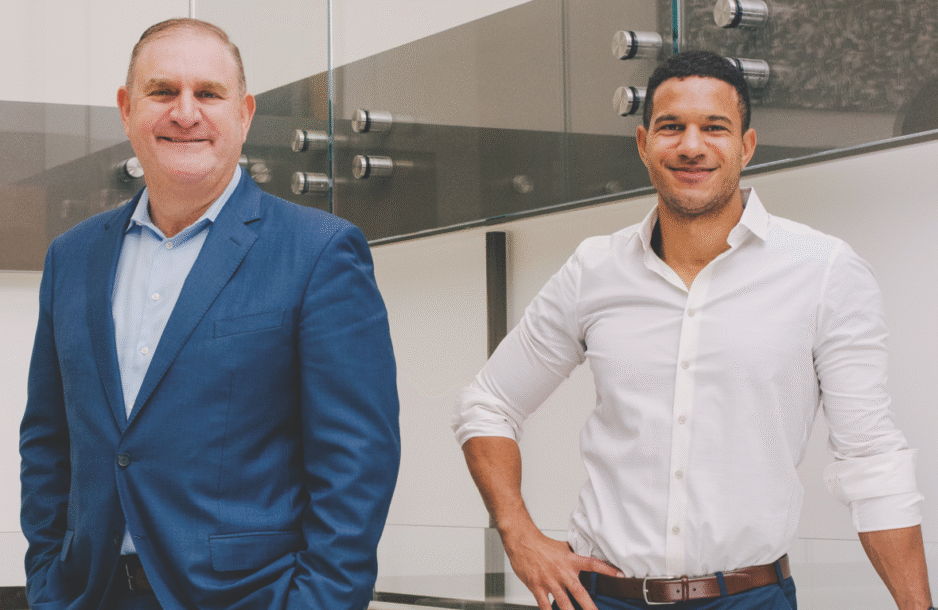
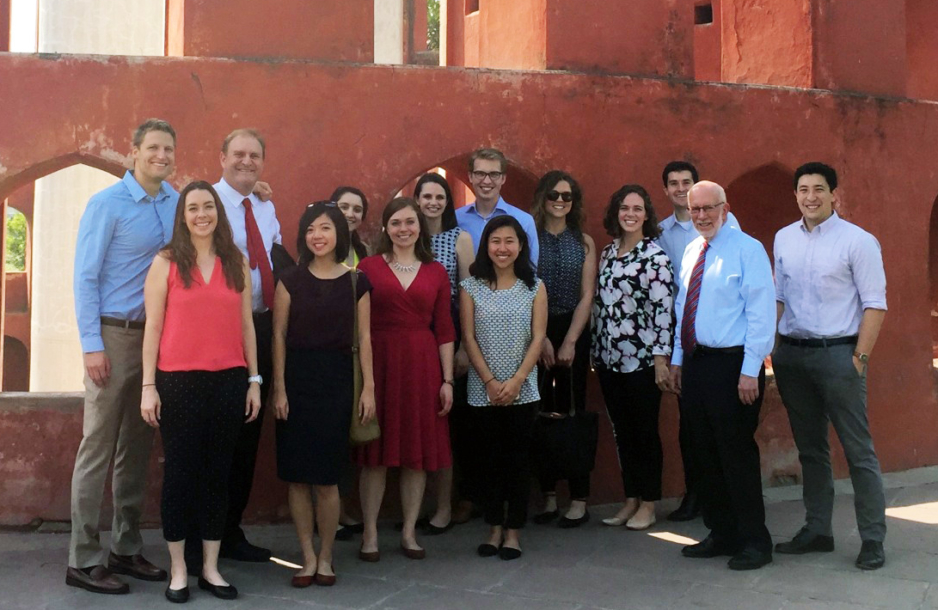
Stanford Center for Racial Justice | Bremond Fellows 2025-2026 Cohort

Connect with Us


We’re excited to introduce AI Sidebar with Irene Liu, a new podcast launching on Monday, June 22, exploring what happens as AI rapidly reshapes law, business, and society.
In our inaugural episode host Irene Liu is joined by George Triantis, Dean of Stanford Law School, for a timely ...conversation on the legal and institutional challenges—and opportunities—ahead.
At the intersection of AI and law, the ground is shifting faster than almost anyone can keep up with. From the heart of the Bay Area, where AI is being built, debated, and put to the test, AI Sidebar brings together leading academics, technologists, policymakers, lawyers, and industry leaders to cut through the noise and unpack what’s next.
Each episode tackles the questions that matter:
Who is accountable when AI calls the shots?
How should we regulate powerful new tools?
What skills will tomorrow’s lawyers need?
Listen and subscribe: https://brnw.ch/21x3qhL



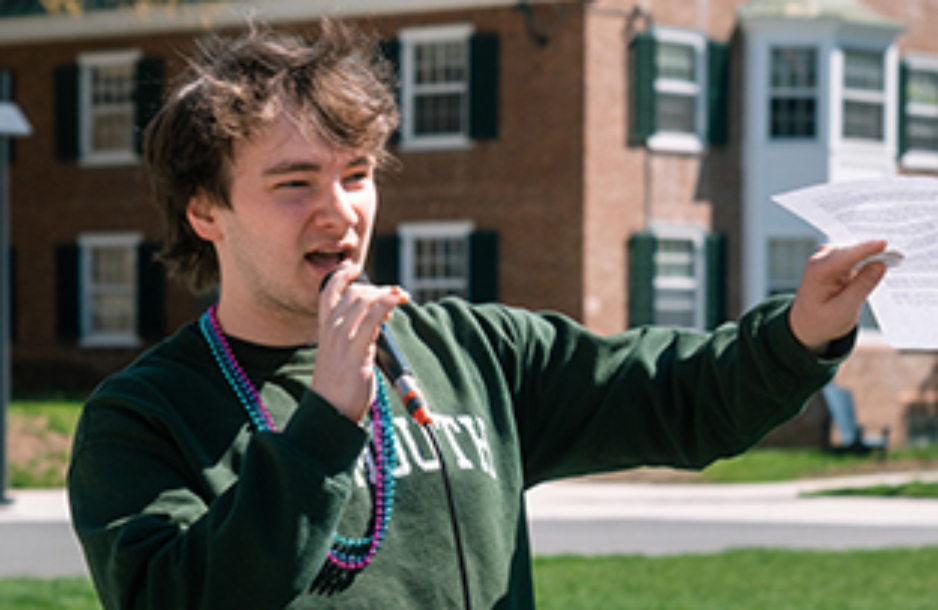
Will Avery Paisley, JD ‘26, offers an inspiring look at life as a Stanford Law student. As the Class of 2026 President, joint JD/MBA student, a member of the Native American Law Students Association (NALSA), and an active leader across the Stanford community, Will reflects on the experiences ...that have shaped their time at Stanford Law.

Are personal injury lawyers frauds and scammers?
Professor Nora Freeman Engstrom was a guest on No Such Thing as part of a conversation about personal injury law firms, including the racial and ethnic animus embedded into attorney regulation, why contingency fee caps are regressive, and ...the need for closing statements.
Listen here: https://brnw.ch/21x3opv