
New Beginnings
Research, Scholarship and News
With impact in everything from constitutional law and privacy rights to campaign finance reform and the environment, members of the Stanford Law School community shape law and policy through leading-edge research.



SLS Degree Programs
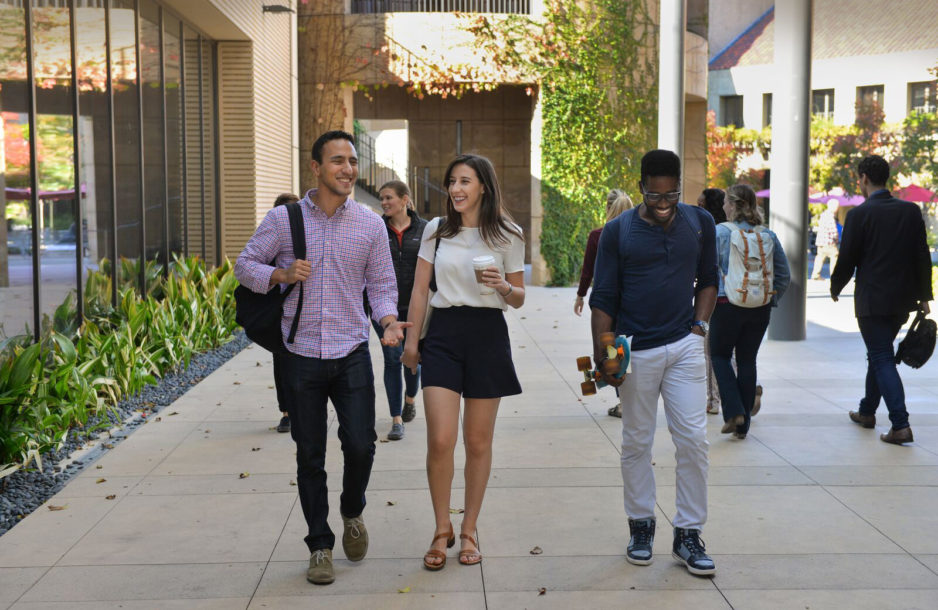

Join a diverse and inclusive community shaped by a commitment to the future.
Learn more : The JD Program
A hallmark of Stanford University and a distinct strength of Stanford Law, where students can explore the many ways law intersects with other fields.
Learn more : Joint Degree Programs
One-year master's degree programs and a doctoral degree (JSD) for international graduate students who have earned a law degree outside the United States.
Learn more : Advanced DegreesStanford Law Students Share Their Stories
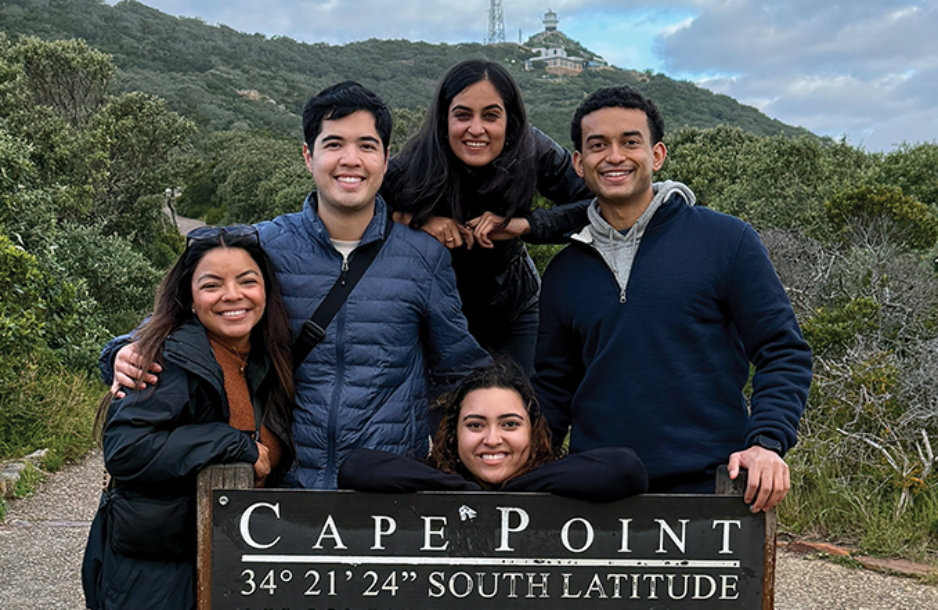

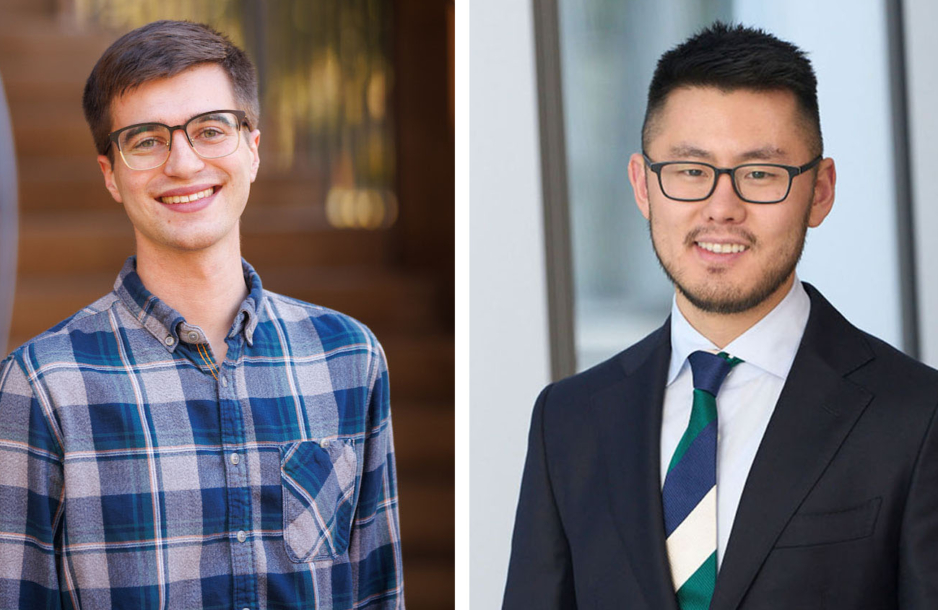
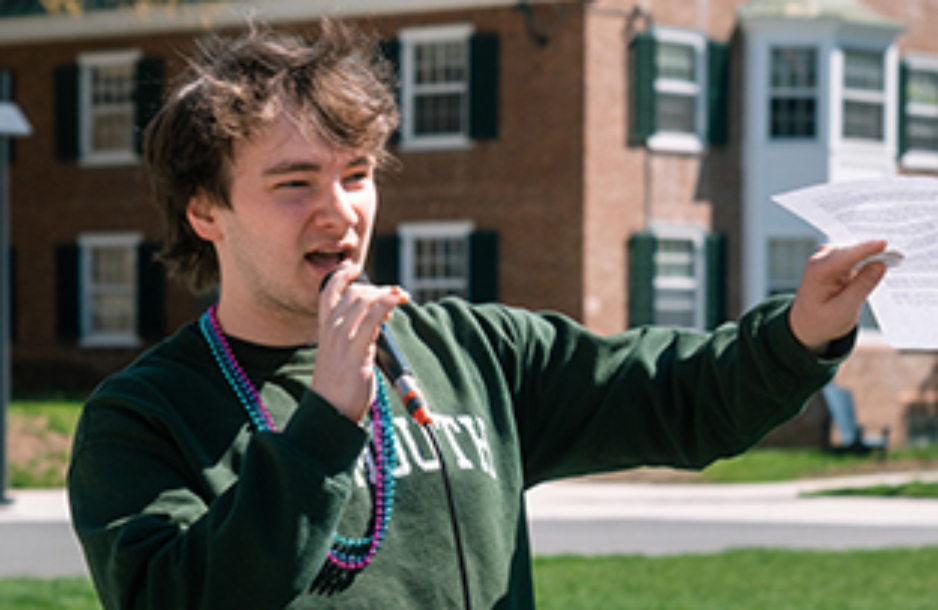

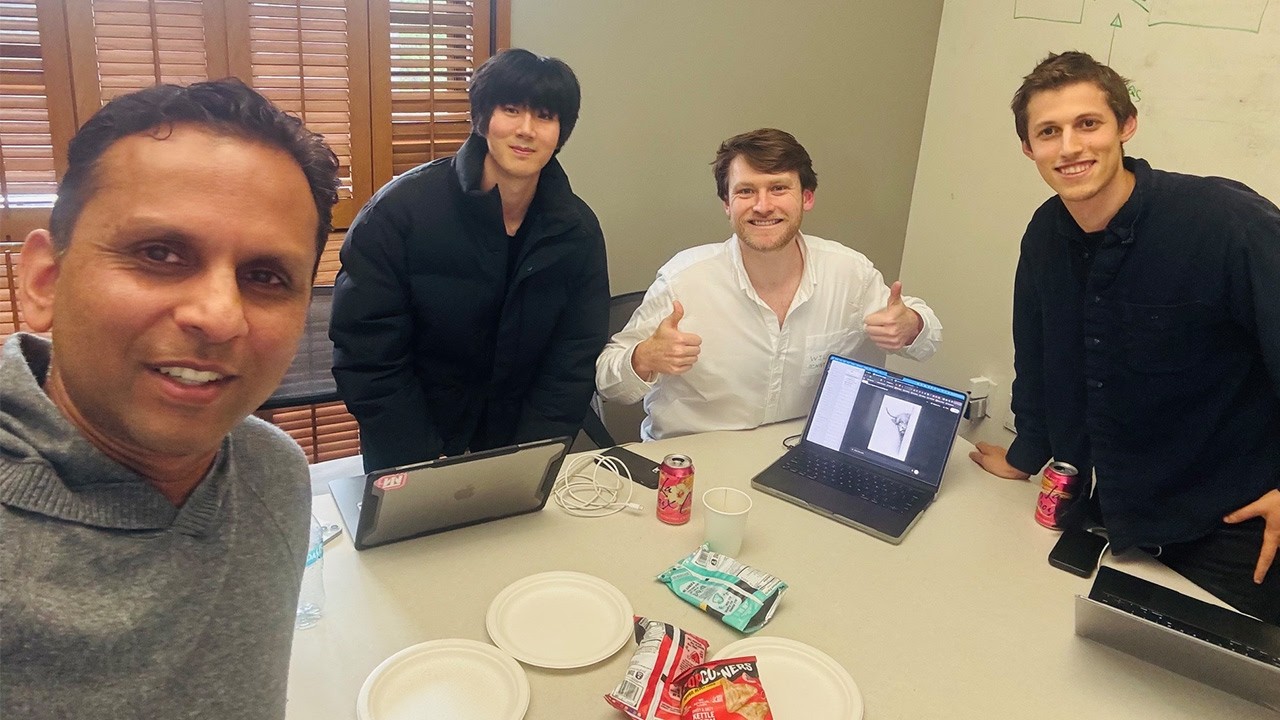
2026 LLM x Law Hackathon
The hackathon wasn’t just a competition; it was a glimpse into what becomes possible when the people who understand AI and the people who understand law are finally in the same room, building together.
Connect with Us



Technology can amplify division at extraordinary speed. Peacemaking in the Digital Age explored how to harness it to do the opposite.
Grande Lum, faculty director of the Martin Daniel Gould Center for Conflict Resolution, recently presided over the daylong conference, focused on how ...technology can help bridge divides. Co-hosted with the California Civil Rights Department’s Community Conflict Resolution Unit and Life Comes From It, a grant-making and movement-building organization, the event brought together experts in conflict resolution, civil rights, technology, media, and restorative justice.
Presenters included Colin Rule, CEO and president of Mediate(.com) and ODR(.com); Kia Sims, COO of AISHA AI, who discussed a chatbot designed with inclusivity and cultural relevance in mind; UCLA professor Sarah Roberts, on AI, media, technology, and civil society; University of Denver law professor Oladeji Tiamiyu, on digital art as a tool for healing and racial reconciliation; and William Froehlich, director of Ohio State Law School’s Divided Community Project, on using AI in community conflict resolution.

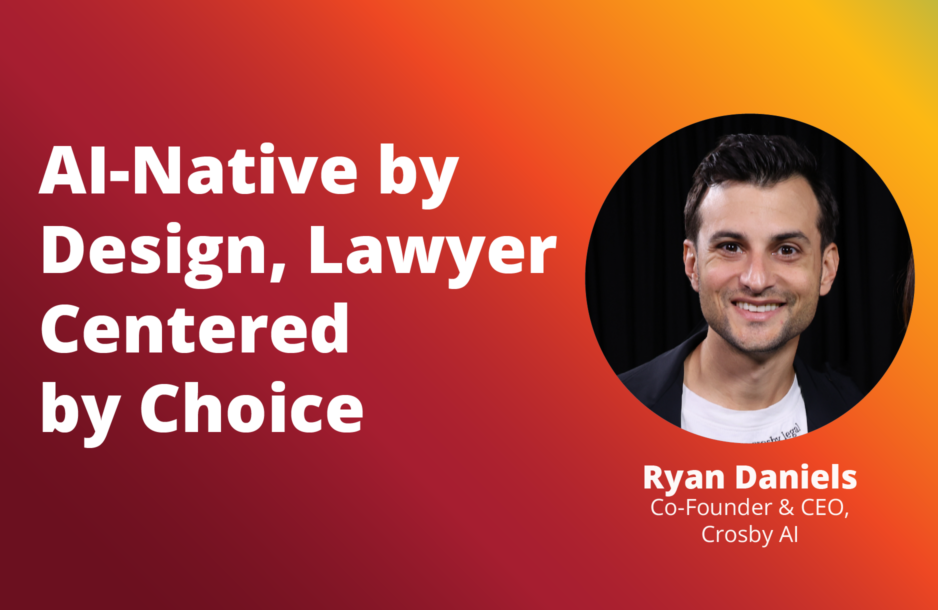
Stanford Law School alum Ryan Daniels, JD '20, is reimagining legal practice through Crosby AI, an AI-native law firm focused on commercial contracts. In a recent episode of AI Sidebar with Irene Liu, Daniels discusses what distinguishes an AI-native firm from traditional practices: a ...corporate structure built for long-term technology investment, incentives aligned with productivity rather than billable hours, and systems that encode legal judgment for AI agents.
Listen to the full conversation: https://brnw.ch/21x5aoi
In a new Washington Post op-ed, Stanford Law Professor Daniel Ho argues that obsolete laws and reporting requirements quietly waste enormous amounts of public servants’ time and undermine the government's ability to deliver. His team at Stanford’s RegLab is using AI to scan billions of ...words of legal code and identify the “policy sludge” that humans could never realistically find at scale.
“Clearing out remnants of outdated law is not deregulation for deregulation’s sake," he writes. "It ensures public servants can spend time on what matters.” Read more:

(Originally published by The Washington Post on August 19, 2026.) Every year, the Federal Reserve’s board of governors sends Congress a report on th
brnw.ch
“The office is independent only so long as the president permits it to be.”
In a new Los Angeles Times op-ed, Stanford Law Professor George Fisher argues that a constitutional amendment might be necessary to prevent future attorneys general from becoming the president’s “political ...cudgel.”
Read more: https://brnw.ch/21x53i3