
We Are Stanford Law
Research, Scholarship and News
With impact in everything from constitutional law and privacy rights to campaign finance reform and the environment, members of the Stanford Law School community shape law and policy through leading-edge research.




SLS Degree Programs


Join a diverse and inclusive community shaped by a commitment to the future.
Learn more : The JD Program
A hallmark of Stanford University and a distinct strength of Stanford Law, where students can explore the many ways law intersects with other fields.
Learn more : Joint Degree Programs
One-year master's degree programs and a doctoral degree (JSD) for international graduate students who have earned a law degree outside the United States.
Learn more : Advanced DegreesStanford Law Students Share Their Stories






2026 LLM x Law Hackathon
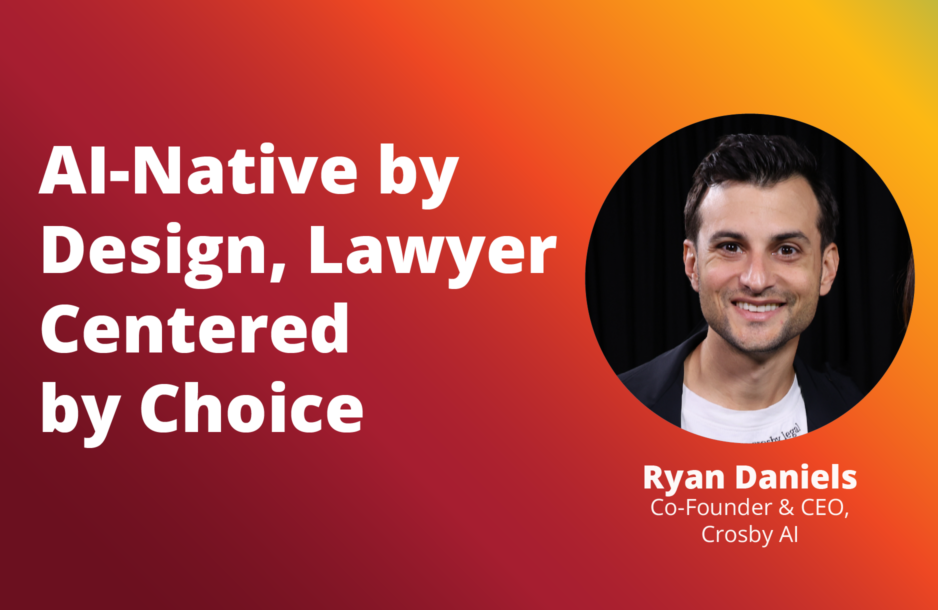
The hackathon wasn’t just a competition; it was a glimpse into what becomes possible when the people who understand AI and the people who understand law are finally in the same room, building together.

Connect with Us

In a new Washington Post op-ed, Stanford Law Professor Daniel Ho argues that obsolete laws and reporting requirements quietly waste enormous amounts of public servants’ time and undermine the government's ability to deliver. His team at Stanford’s RegLab is using AI to scan billions of ...words of legal code and identify the “policy sludge” that humans could never realistically find at scale.
“Clearing out remnants of outdated law is not deregulation for deregulation’s sake," he writes. "It ensures public servants can spend time on what matters.” Read more:

(Originally published by The Washington Post on August 19, 2026.) Every year, the Federal Reserve’s board of governors sends Congress a report on th
brnw.ch

“The office is independent only so long as the president permits it to be.”
In a new Los Angeles Times op-ed, Stanford Law Professor George Fisher argues that a constitutional amendment might be necessary to prevent future attorneys general from becoming the president’s “political ...cudgel.”
Read more: https://brnw.ch/21x53i3

For people facing eviction or debt collection without a lawyer, a missed deadline or confusing court notice can have life-changing consequences.
With new funding from Stanford Impact Labs, researchers at Stanford Law School’s Rhode Center on the Legal Profession and Legal Design Lab are ...working with the Superior Court of Los Angeles County to test practical ways to give unrepresented litigants a fairer chance.
The work includes clearer court notices and new AI tools designed to improve how courts handle high-volume civil cases.
Read more: https://brnw.ch/21x51yg

During the 2025-26 academic year, Stanford Law School faculty members and academic staff garnered an array of awards for their books, articles, teaching, and other achievements, as well as appointments to new state, federal, and other roles outside Stanford Law.
Similarly, numerous ...Stanford Law students were the recipients of awards and fellowships for their own achievements, demonstrations of academic excellence, and commitment to public service.
See the full list: https://brnw.ch/21x4ZNO