
Legal Education for Tomorrow’s World
Research, Scholarship and News
With impact in everything from constitutional law and privacy rights to campaign finance reform and the environment, members of the Stanford Law School community shape law and policy through leading-edge research.


SLS Degree Programs


Join a diverse and inclusive community shaped by a commitment to the future.
Learn more : The JD Program
A hallmark of Stanford University and a distinct strength of Stanford Law, where students can explore the many ways law intersects with other fields.
Learn more : Joint Degree Programs
One-year master's degree programs and a doctoral degree (JSD) for international graduate students who have earned a law degree outside the United States.
Learn more : Advanced DegreesStanford Law Students Share Their Stories






Stanford Lawyer Magazine - Inside the Pages | Stanford Law RegLab Researchers Take On Policy Sludge
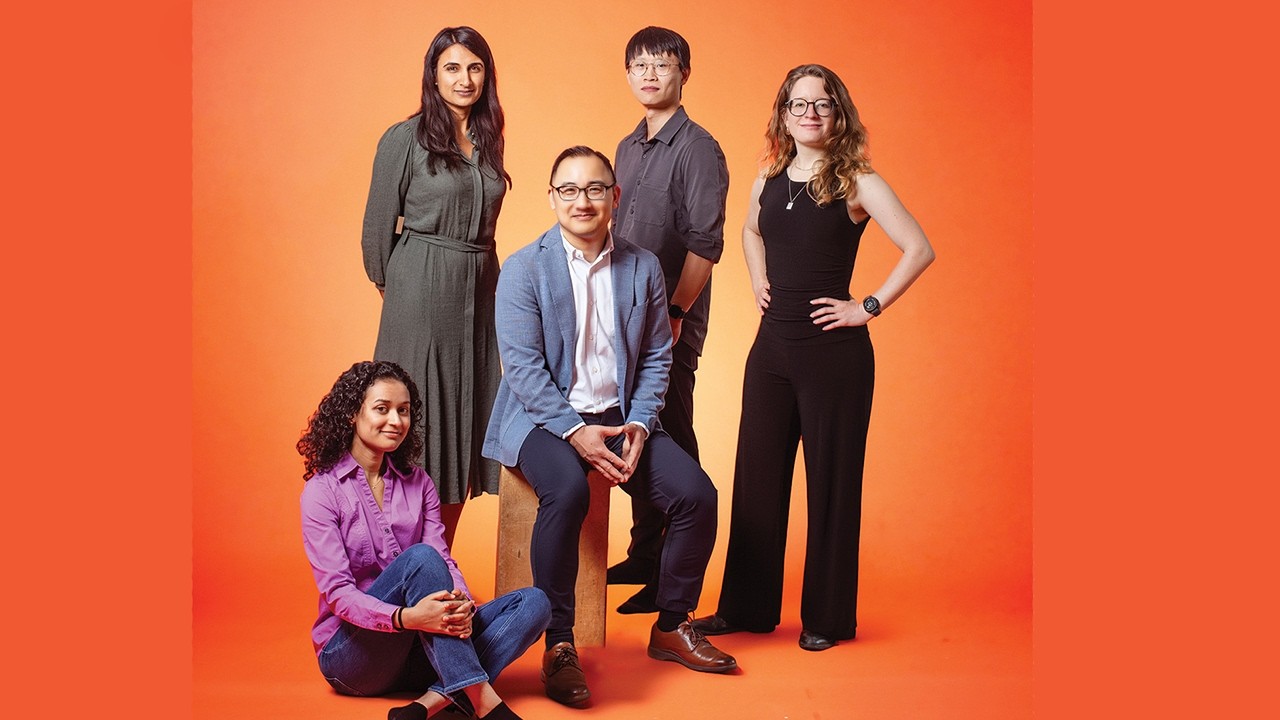
Stanford Law classmates turn a tedious publishing task into an AI-powered startup.
Connect with Us


Permitting reform and clean energy development are urgent priorities. But Deborah Sivas argues that reform should not come at the expense of transparency, accountability and community input.
In her latest post, Sivas assesses the proposed Bipartisan American Affordability and Jobs Act and Read morewarns that its judicial-review provisions could remove incentives for agencies and developers to conduct adequate environmental analysis before projects are approved.
She makes the case for a better path: Developers that engage communities in good faith, disclose project impacts and work to minimize harms may be more likely to build projects quickly — and sustainably.
Read the full post: https://law.stanford.edu/2026/11/13/congress-rushes-to-end-public-participation-and-community-input/
What happens when states treat one another as political rivals rather than partners in one nation?
On Nov. 18, the Stanford Constitutional Law Center will host “Interstate Intolerance,” a talk with professors Katherine Mims Crocker and Charles W. Tyler examining how states increasinglyRead more seek to punish one another for their political choices.
The speakers will explore the forces driving these conflicts, their consequences for the union and three proposed principles for managing interstate relations: congressional leadership, territorial limits on state power and mutual obligations among states.
Nov. 18 | 5-6 p.m. PST
RSVP: https://law.stanford.edu/event/interstate-intolerance/
Yesterday, the Stanford Law School community gathered to honor the veterans in its community and everyone who has served in the U.S. Armed Forces.
The Veterans Day lunch, hosted by the Stanford Law Veterans Organization (SLVO), was a chance to connect, share stories, and thank those who Read morehave served. This past Memorial Day, SLVO organized a group workout at an outdoor gym on campus for a workout in tribute to the fallen.
Stanford Law School is grateful to the veterans in its community for their service.



Lively debate, fresh perspectives, and plenty of spirited conversation! About 80 Stanford Law students gathered for the inaugural Midterms Roundtable, bringing together classmates from across the political spectrum to tackle some of the country’s most pressing issues.
On the table: new Read moredata centers, U.S. defense commitments, and the balance of power between Congress and the Supreme Court. After the group heard opposing sides of each resolution, the discussions continued in small groups over dinner.
Co-hosted by the Stanford Law chapters of the American Constitution Society and the Federalist Society, and sponsored by ePluribus Stanford, the event was organized by 3Ls Vishnu Kannan and Amanda Morrison.