
Welcome Back
Research, Scholarship and News
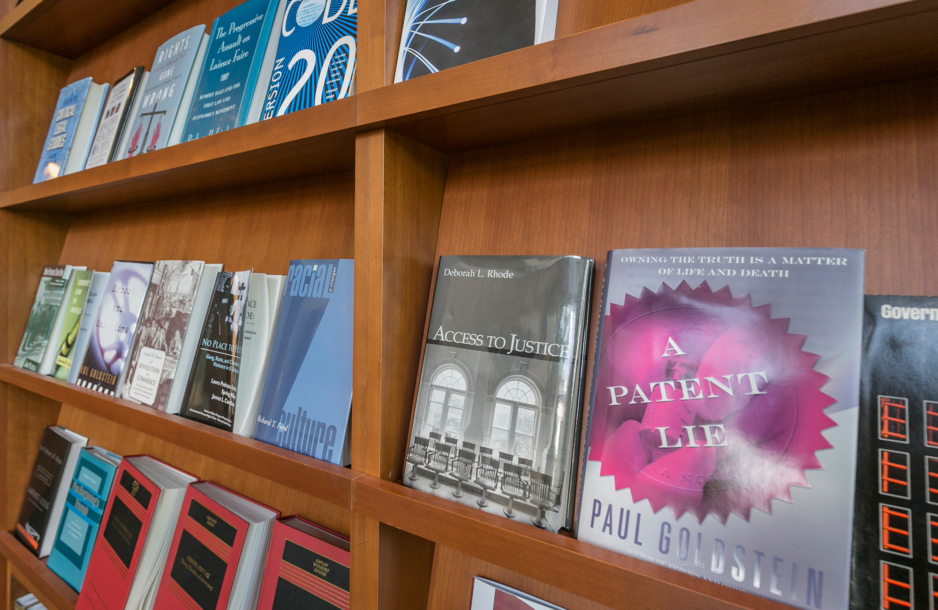
With impact in everything from constitutional law and privacy rights to campaign finance reform and the environment, members of the Stanford Law School community shape law and policy through leading-edge research.


SLS Degree Programs
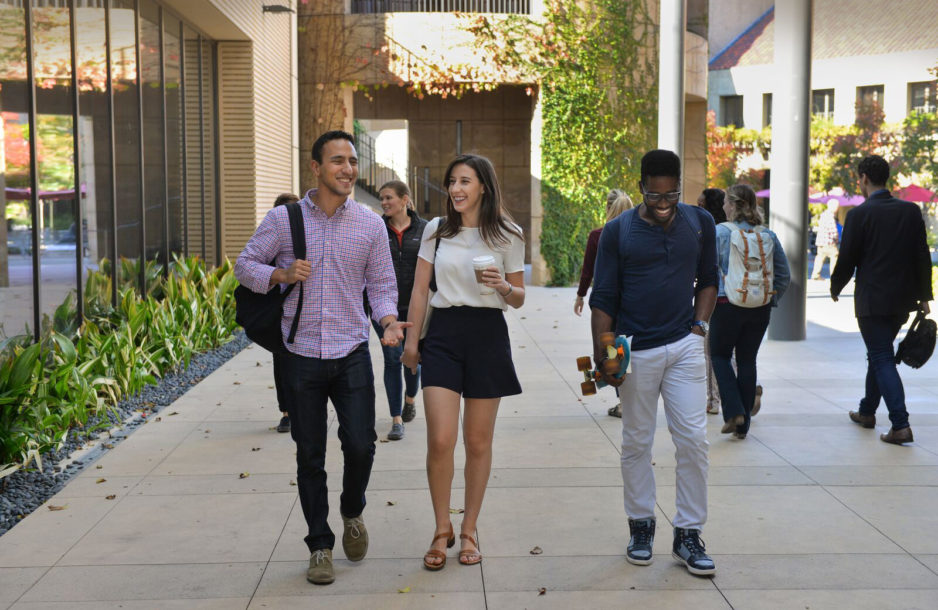

Join a diverse and inclusive community shaped by a commitment to the future.
Learn more : The JD Program
A hallmark of Stanford University and a distinct strength of Stanford Law, where students can explore the many ways law intersects with other fields.
Learn more : Joint Degree Programs
One-year master's degree programs and a doctoral degree (JSD) for international graduate students who have earned a law degree outside the United States.
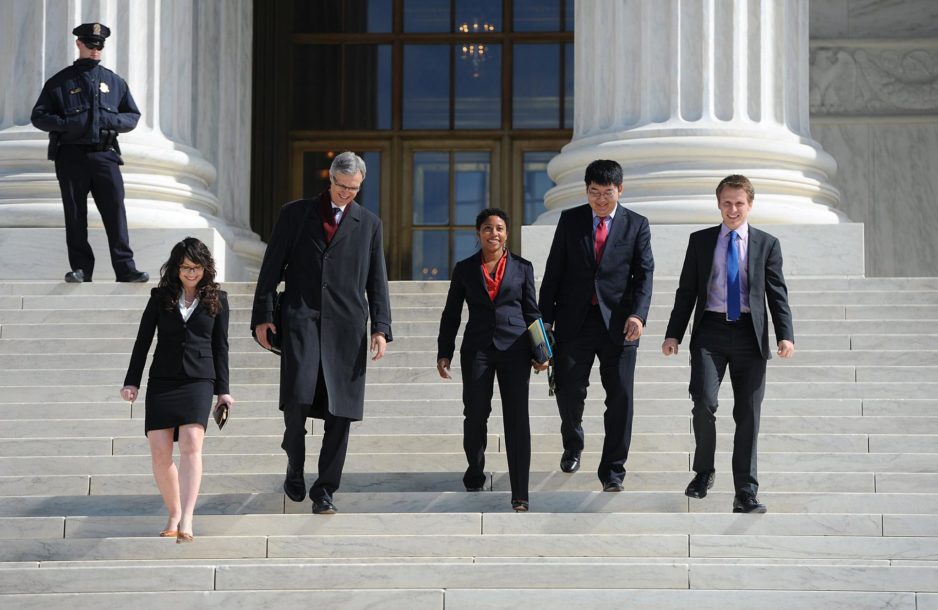
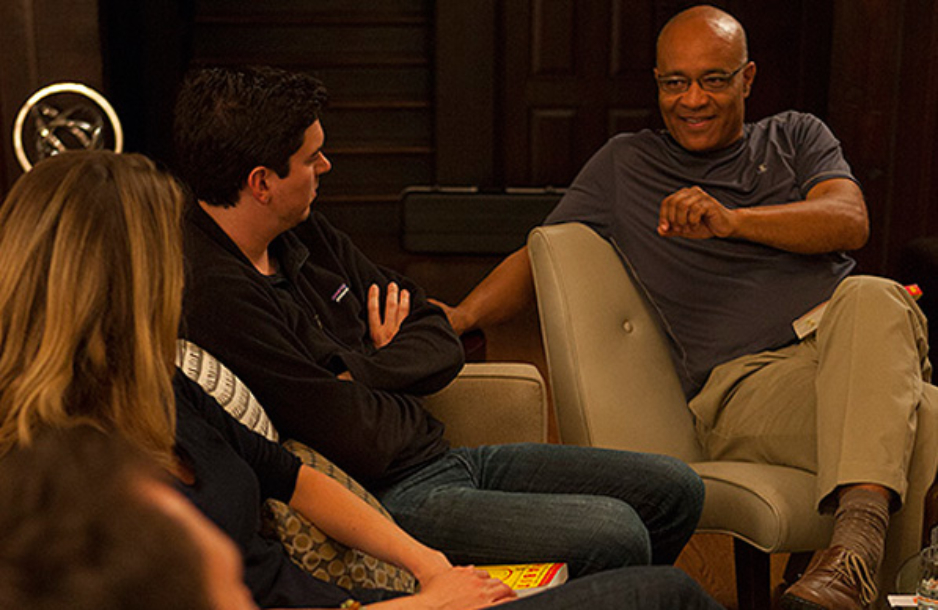
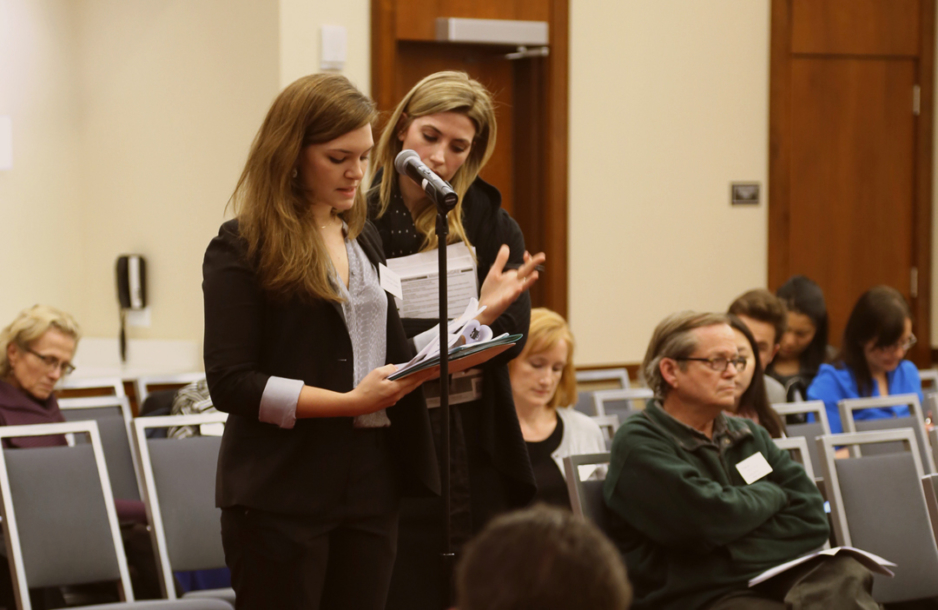
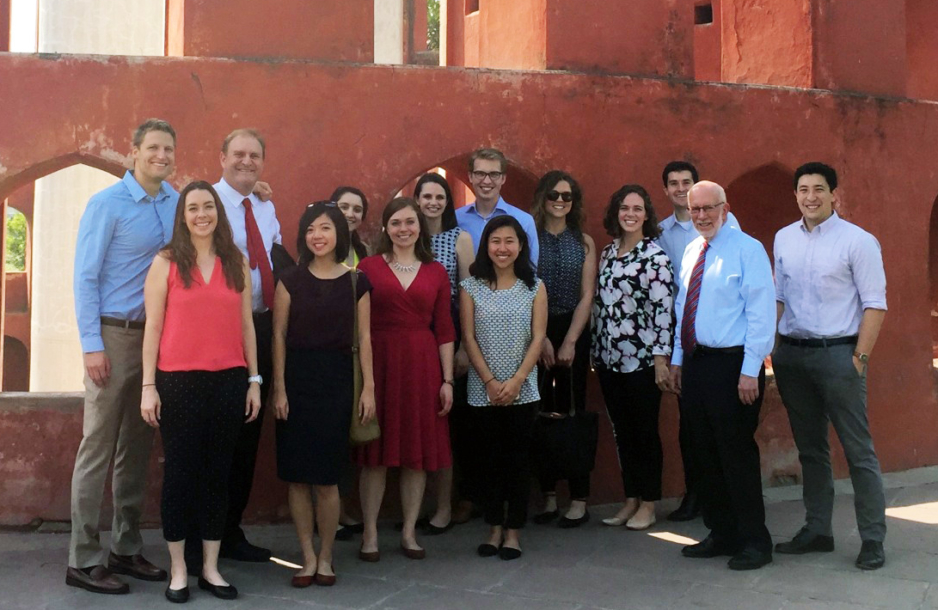
Learn more : Advanced DegreesStanford Law Students Share Their Stories

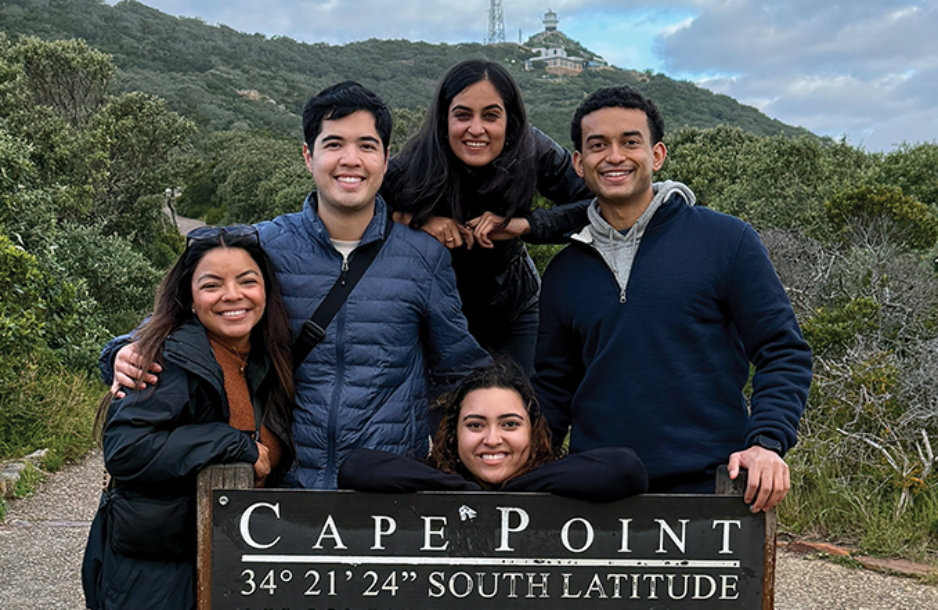

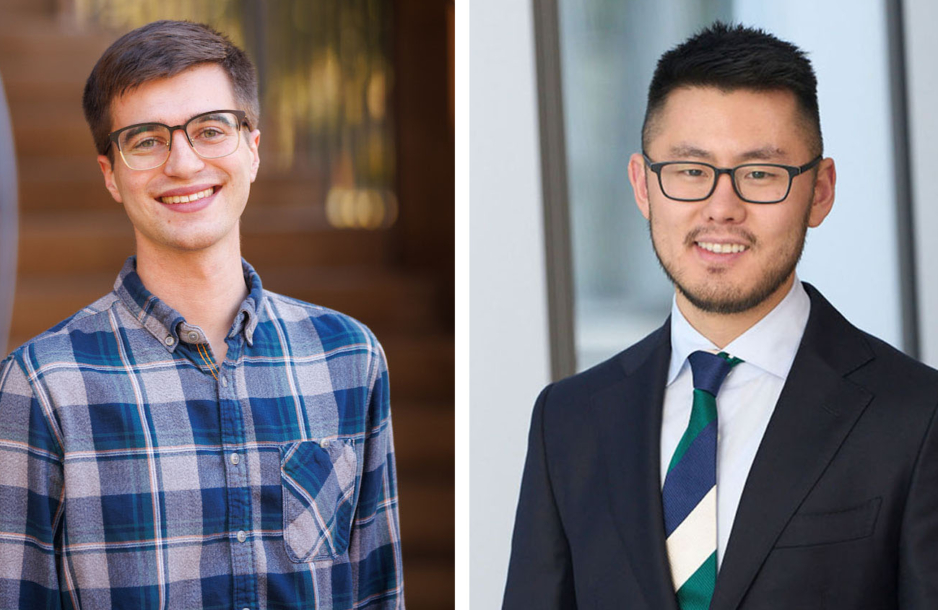

2026 LLM x Law Hackathon
The hackathon wasn’t just a competition; it was a glimpse into what becomes possible when the people who understand AI and the people who understand law are finally in the same room, building together.

Connect with Us


❣️Just 2 more weeks until Stanford Law School Reunions! If there’s one time to return to Stanford this year, make it October 16-17. Sign up now, as online registration closes October 13. We are rolling out the red carpet for our alums so check the link in bio ✨


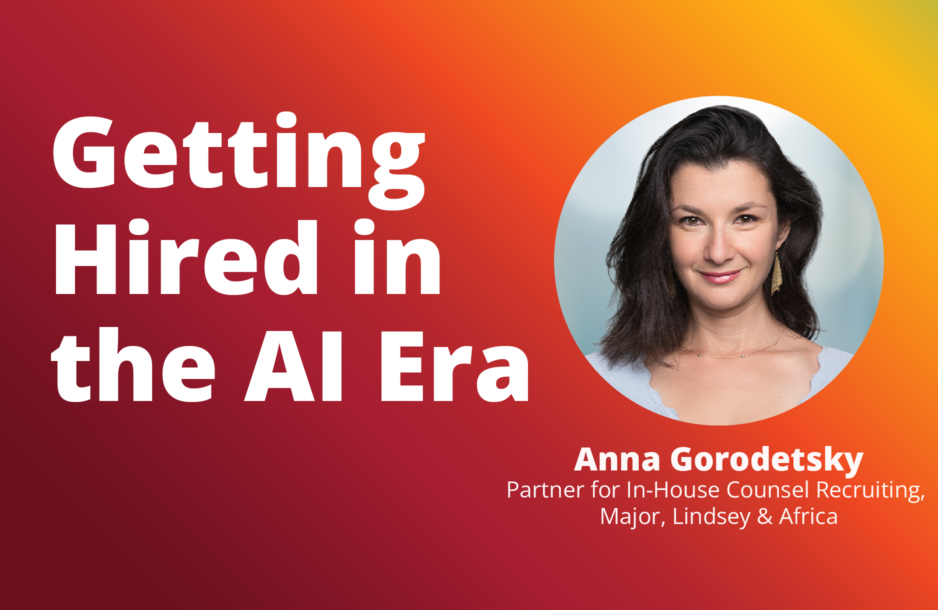
How is AI reshaping legal education, legal work and the legal talent pipeline?
Two recent podcast conversations explore the rise of legal engineering and the need to rethink how legal services are designed, delivered and taught.
🎧 On Pearls on, Gloves Off, host Mary O’CarrollRead more speaks with Stanford Law’s Adam Sterling and Irene Liu about the school’s new Legal Engineering Academy.
🎧 On Stanford Law’s AI Sidebar, host Irene Liu joins O’Carroll, CEO of LegalEng Consulting Group, to discuss legal “rightsourcing,” legal solutions engineers and the organizational changes needed to realize AI’s potential.
Listen to both episodes:
⚪ Pearls on, Gloves Off: https://brnw.ch/21x660M
🔴 AI Sidebar: https://brnw.ch/21x660L

Register for The Future of the Legal and Medical Professions Symposium, Oct. 26
Law and medicine have long been distinct professions, but they are increasingly confronting the same fundamental questions.
💡How will AI change expert work, and how should institutions adapt?
Read more💡How can the professions ensure access to essential services for those who cannot afford them?
💡How can the professions maintain public trust and confidence?
Stanford Law School and Stanford Medicine are bringing together leaders and thinkers from across both fields for a full-day symposium to examine what the professions can learn from one another as they navigate this period of rapid change.
Learn more and register: https://brnw.ch/21x64oi

How often is AI showing up in articles published by top law reviews?
In a guest post published on the Volokh Conspiracy, Julian Nyarko examines 571 articles from flagship law reviews at the top-ranked law schools, using estimates from Pangram’s AI detection software.
The study Read morefound that AI signals appeared more often in article text and abstracts than in footnotes, challenging assumptions about where AI might be used in legal scholarship.
The research raises questions that extend beyond detection: When does AI assistance become authorship? And what level of disclosure should academic publishing expect?
Read more: https://brnw.ch/21x62MB